

Cibarious logo

StarterSouthern Vietnam

Spring Rolls Recipe

A thin wrapper, a dry filling and oil at the right heat: the three rules of the crackle.

6
servings
50
minutes
6
ingredients

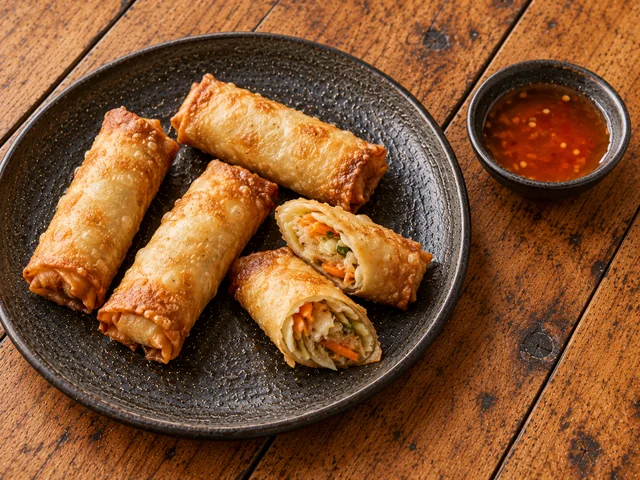
Chả giò: a dry filling in rice paper, fried at 165 °C

7 min read · 1,413 words

Plate I · Ingredients
  1. Rice Paper
  2. Cabbage
  3. Carrot
  4. Shrimp
  5. Vermicelli
Curated by CibariousIllustrations byCibarious
6 portions

Ingredients

6 portions, 50 minutes, and the key moments that shape the result.

  • 18 pieceRice Paper16 cm round sheets, kept dry and flat until rolling
  • 150 gCabbageshredded very fine, salted, then squeezed dry
  • 90 gCarrotfinely grated, salted and squeezed with the cabbage
  • 180 gShrimppeeled, deveined, patted dry, chopped to pea-size
  • 50 gVermicellisoaked in warm water 10 minutes, drained, cut into 2 cm pieces
  • 180 gPorkground, about 20% fat, kept cold
  • 3 pieceShallotfinely minced
  • 6 cloveGarlicfinely minced; half goes in the filling, half in the dipping sauce
  • 90 mlFish saucea spoonful for the filling, the rest for the dipping sauce
  • 70 gSugara pinch for the filling, the rest for the dipping sauce
  • 3 pieceLimejuiced
  • 3 gBlack pepperfreshly ground
  • 3 gSaltfor salting the cabbage and carrot
  • 1020 mlNeutral oilpeanut or vegetable, for frying
  • 12 leafSoft lettucewashed, for wrapping
  • 18 sprigMint and cilantrowashed, for wrapping

What runs when

Board
Bowl
Rolling table
Wok

Method

  1. Soak the vermicelli

    0′–10′

    Cover the vermicelli with warm tap water, about 40 °C, and leave it for 10 minutes, until limp and clear but still springy.

    Why: Dry noodles in the filling pull moisture from the pork and shrimp and stay hard. Soaked, they only finish softening in the oil. Read more

  2. Cut the vegetables and shrimp

    0′–9′

    Shred the cabbage as fine as you can and grate the carrot. Toss both with the salt in a bowl and leave to sweat. Peel and devein the shrimp, pat them dry and chop to pea-size pieces. Mince the shallot and garlic.

    Why: Short, fine strands roll tight and cook in the time the wrapper takes to brown. Long strands pierce the paper. Read more

  3. Make the dipping sauce

    10′–13′

    Stir equal parts sugar, fish sauce and lime juice into three parts warm water, until the sugar dissolves. Add the minced garlic. Hold back a spoonful of fish sauce and a pinch of sugar for the filling.

    Why: Sugar dissolves in seconds in warm water and slowly in cold. Made now, the sauce has half an hour to mellow before the rolls come out.

  4. Squeeze the vegetables dry

    15′–17′

    Take the salted cabbage and carrot by the handful and squeeze hard over the sink, or twist them in a clean towel, until almost no liquid comes out. Throw the liquid away.

    Why: Salt pulls water out of the cabbage cells and squeezing removes it. Left in, that water turns to steam inside the roll and softens the wrapper from within. Read more

  5. Mix the filling

    17′–21′

    Drain the noodles and cut them into 2 cm lengths. Combine the pork, shrimp, vegetables, noodles, shallot, garlic, pepper, and the fish sauce and sugar you held back. Knead with your hand for a minute, until it clings together. Fry a spoonful in a small pan, taste it cooked, and adjust.

    Why: Kneading links the pork proteins, so the filling stays together when the roll is cut. Raw pork can't be tasted, so season from a fried spoonful. Read more

  6. Roll them tight

    21′–39′

    Dip a sheet in warm water for 2 seconds and lay it flat. It will still feel stiff; it softens over the next 20 to 30 seconds. Put about 2 tablespoons of filling near the bottom edge, fold the bottom up over it, fold in both sides, and roll up tightly. Press the seam shut. Lay the rolls on a tray in a single layer, not touching.

    Why: Rice paper keeps absorbing water after the dip. A sheet that feels soft at the bowl is slack and tears by the time you roll. Rolls that touch will stick and tear when you pull them apart. Read more

  7. Heat the oil

    24′–28′

    Pour the oil into a wide wok or pot, about 3 cm deep, and heat it over medium to 165 °C. Use a thermometer: this is the one step where it matters. Keep a wire rack and a tray ready for the finished rolls.

    Why: A wide pan has room for six rolls, and a larger volume of oil loses less temperature when the cold rolls go in. Read more

  8. Fry in three batches

    28′–46′

    Slide in 6 rolls one at a time, not touching, at 165 °C. Fry for 5 to 6 minutes, turning, until deep golden with a blistered skin. Lift onto the wire rack. Let the oil climb back to 165 °C before the next batch. Cut one open from the first batch: the pork should be white-grey, with no pink. Keep finished rolls on a rack in a 100 °C oven.

    Why: The oil temperature decides the crackle, the cook and the grease. A 165 °C fry gives the shell time to dry while the filling reaches 71 °C. Read more

  9. Serve hot, with herbs

    46′–50′

    Pile the rolls on a platter with the lettuce, mint, cilantro and a bowl of dipping sauce. Cut the rolls in half. Wrap each piece in a lettuce leaf with herbs, then dip.

    Why: The cold leaves and herbs cut through the fried richness. The shell stays crisp for about ten minutes, until steam from the filling softens it. Read more

Spring Rolls, finished and plated
Plate II · The finished dish

Why It Works This Way

You have the recipe. Here's why it works, and what happens when you change it.

The Crackle

A spring roll is a thin shell holding steam in. The fry is the minutes that decide whether the shell snaps or sags.

Rice paper is a thin film of rice and tapioca starch. Dipped for two seconds, it holds only a little water. In oil at 160 to 170 °C that water flashes to steam, puffing the surface into small blisters, and then the starch dries and browns into a brittle, glassy shell.

Heat is a balance. Below about 150 °C the shell drinks oil before it dries, and comes out pale and greasy. Above about 180 °C the surface browns within a couple of minutes while the middle is still raw. At 165 °C you get five to six minutes: enough for the pork to reach 71 °C and the shell to turn deep gold.

The filling can undo all of it. Cabbage is mostly water, and water inside the roll turns to steam that softens the wrapper from within, even after a good fry. That is why the vegetables are salted and squeezed, and why the rolls rest on a rack: paper towels and lids trap steam against the crust.

Right
Deep gold with fine blisters, and it crackles when you tap it with tongs. A cut roll shows white-grey pork and opaque pink shrimp.
Too cool
Pale, oily and soft once cool: the oil was under 150 °C. Bring it back to 165 °C and refry the rolls for 1 to 2 minutes.
Too hot
Dark brown outside, pink pork inside: the oil was over 180 °C. Lower the heat, and finish dark rolls in a 180 °C oven for 5 to 8 minutes.

Rules You Can Break

Common changes, and what each one actually does to the dish.

  • Wheat wrappersChanges the dish

    Thin wheat spring roll wrappers fry up crisp and flaky, and are easier to roll. It becomes a Chinese-style spring roll, without the glassy blisters of rice paper.

  • Baking or air-fryingChanges the dish

    Uses less oil, but rice paper dries into a pale, hard cracker rather than a blistered shell. A lighter snack, not a crackle.

  • Taro, jicama, wood earHarmless

    All traditional additions in southern kitchens. Salt and squeeze the wetter ones, and keep the total filling weight the same.

  • Freezing before fryingHarmless

    Freeze uncooked rolls on a tray, then bag them. Fry from frozen at 150 °C for 8 to 10 minutes, and cut one open to check it is cooked through.

  • Skipping the squeezeDon't

    The one shortcut that shows. Wet cabbage steams the shell from within, and the rolls go soft in minutes. It also makes the rolls burst in the oil.

  • Paper towels and a lidDon't

    Paper towels hold the rolls in their own steam and a lid makes it worse. A wire rack lets the steam escape and the crust stay dry.

Two Names, One Roll

Vietnamese has two names for the fried roll: chả giò in the south, nem rán in the north. The cooking differs a little by region and by family, but the idea is shared: a seasoned filling, usually with pork, rolled in a thin wrapper and fried until crisp.

The spring roll family is generally traced to China, where chūnjuǎn are thin wheat wrappers filled and fried, traditionally tied to the spring festival. How the roll reached Vietnam is not well documented. What is clear is what Vietnamese cooks added: rice paper, fish sauce, and the habit of wrapping each roll in lettuce and herbs.

What Each Ingredient Does

  1. Rice PaperThe crackleA thin film of rice and tapioca starch. Dipped briefly it turns pliable; in hot oil its surface moisture flashes to steam and the sheet blisters into a brittle, glassy shell.
  2. CabbageThe bulk and the sweetnessAdds crunch and a mild sweetness. It is also mostly water, so it has to be salted and squeezed or it steams the wrapper from inside.
  3. CarrotThe color and the sweetnessAdds sweetness, orange flecks and a little texture. Grated fine, it cooks through in the time the wrapper takes to brown.
  4. ShrimpThe sweet snapBrings sweetness and a springy bite. Chopped, not pureed, so you taste pieces of shrimp inside the savory pork.
  5. VermicelliThe spongeSoaks up the juice that pork and shrimp release, so the filling stays moist inside without wetting the wrapper, and keeps it light.
  6. PorkThe savory baseGives fat and savory depth. The fat keeps the filling juicy, and the pork's proteins bind the shrimp and vegetables into one slice-able mass.

Even gastronauts make mistakes sometimes! Always check mission-critical intel like allergens and substitutions. See our Terms of Use & Editorial Policy.

Now Send This Recipe Down the Line

Good cooks don't guess. They share, too!

Help another home chef make this dish work.

More Recipes to Love

all recipes
1 / 3

Primo · Rome, Lazio

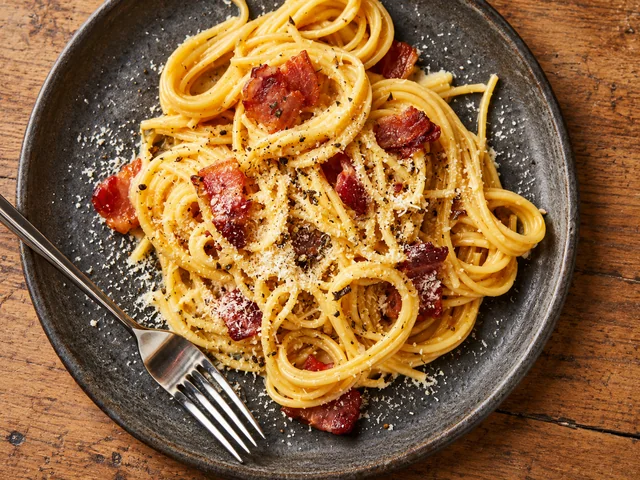
Spaghetti alla Carbonara

Five ingredients, no cream, one critical minute. The recipe comes first; everything that makes it work comes after.

2 servings · 25 min

Main · Bangkok, Thailand

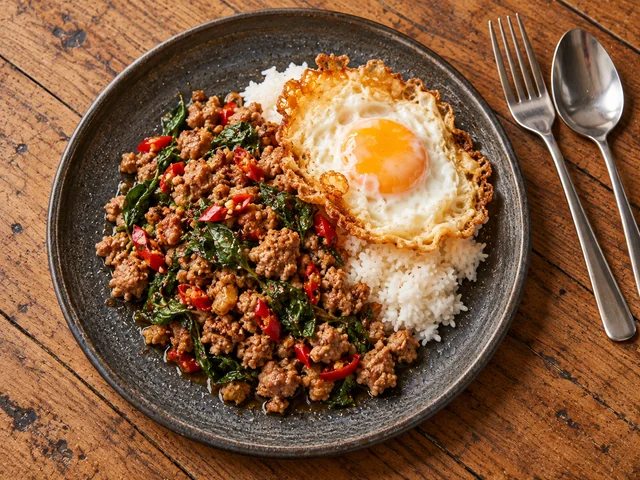
Pad Kaphrao

Holy basil, bird's eye chili, a smoking wok and a fried egg on top: Bangkok's lunch, taken apart.

2 servings · 20 min

Baking · United States

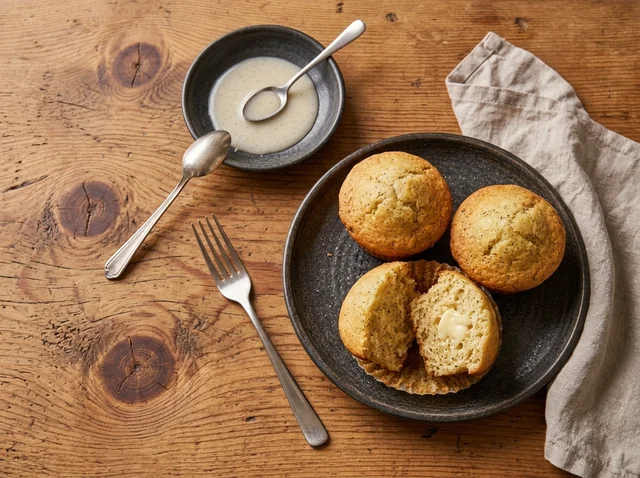
Vanilla Muffins

Two bowls, a lazy fold and the reason overmixing leaves tunnels in the crumb.

12 servings · 35 min

Side · Northern Europe

Mashed Potatoes

Starch is the whole story: which potato, how hot, and why the blender ruins it.

4 servings · 40 min

Filed Under