

Cibarious logo

MainBangkok, Thailand

Pad Kaphrao Recipe

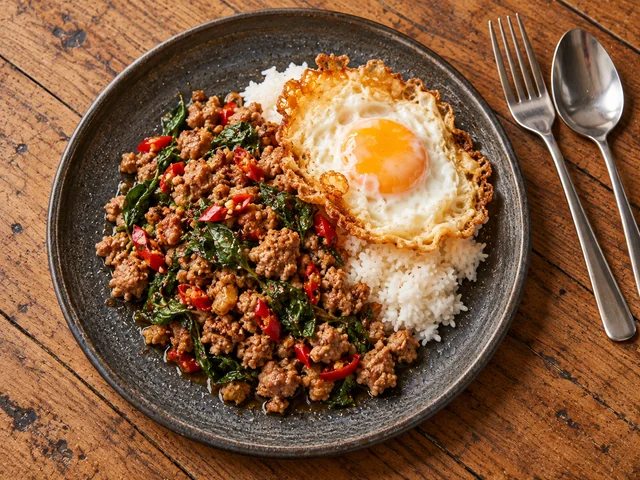
Holy basil, bird's eye chili, a smoking wok and a fried egg on top: Bangkok's lunch, taken apart.

2
servings
20
minutes
5
ingredients

A hard wok sear, finished with basil off the heat

7 min read · 1,261 words

Plate I · Ingredients
  1. Holy Basil
  2. Bird's Eye Chili
  3. Garlic
  4. Pork
  5. Egg
Curated by CibariousIllustrations byCibarious
2 portions

Ingredients

2 portions, 20 minutes, and the key moments that shape the result.

  • 40 gHoly Basilleaves picked, thick stems removed, dry
  • 6 pieceBird's Eye Chilistems off, pounded coarsely with the garlic
  • 6 cloveGarlicpeeled, pounded together with the chilies
  • 240 gPorkground, patted dry, straight from the fridge
  • 2 eggsEggcold from the fridge, cracked into a small bowl
  • 160 gJasmine ricerinsed until the water runs mostly clear
  • 90 mlNeutral oilpeanut or vegetable; most is for the egg and gets poured off
  • 14 mlFish saucemixed into the sauce
  • 20 mlOyster saucemixed into the sauce
  • 10 mlLight soy saucemixed into the sauce
  • 5 mlDark soy saucemixed into the sauce, for color
  • 4 gSugarmixed into the sauce

What runs when

Board
Rice pot
Wok

Method

  1. Pound garlic and chili

    0′–4′

    Peel the garlic and nip the stems off the chilies. Pound them together in a mortar to a coarse, wet paste, with some pieces still visible. No mortar: chop them together with a knife, then smear the pile flat with the blade.

    Why: Pounding bursts the cells, so the paste is wetter and coats the pork instead of falling off it. Finely minced garlic also scorches faster. Read more

  2. Start the rice

    3′–18′

    Rinse the rice, then bring it to a boil with 1.5 times its weight in water. Cover and cook on the lowest heat for 10 minutes. Leave it covered, off the heat, for 5 more.

    Why: The rice finishes steaming in its own heat. Done at the same moment as the pork, it is the hot, fluffy base the yolk and sauce soak into.

  3. Mix the sauce

    4′–6′

    Stir the fish sauce, oyster sauce, both soy sauces and the sugar together in a small bowl, with 1 tablespoon of water per two portions, until the sugar dissolves.

    Why: Once the wok is smoking you have seconds, not minutes. Measuring then burns the paste. Read more

  4. Dry pork, pick basil

    6′–9′

    Press the pork between paper towels and break it into loose clumps. Pick the basil leaves and small tender tops, discard thick stems, and dry the leaves well.

    Why: Wet pork steams grey instead of browning. Wet leaves spit in the oil and cool the wok. Read more

  5. Fry the egg

    9′–12′

    Heat the oil in the wok over high heat until it shimmers and a thin wisp of smoke rises. Slide in the egg and spoon hot oil over the white for about 90 seconds, until it bubbles and the edges turn brown and crisp. The yolk stays runny. Lift out onto a plate and pour off all but 1 tablespoon of oil.

    Why: Hot oil sets the white and fries its edge before the yolk cooks through. Lower heat gives a rubbery white with no crunch. Read more

  6. Bloom the paste

    12′–13′

    Keep the heat on high. Add the garlic-chili paste and stir for 10 to 15 seconds, until it smells sharp and loses its raw edge but has not browned.

    Why: Garlic scorches in about 20 seconds at this heat. It only needs to wake up; the pork finishes the job. Read more

  7. Sear the pork

    13′–17′

    Spread the pork in an even layer and leave it alone for 30 to 40 seconds. Then break it up and keep it moving until no pink is left and the edges are brown and a little crisp, 3 to 4 minutes in all. Ground pork is safe at 71 °C.

    Why: Browning needs dry pork on hot metal. Stirred too soon, the meat releases water and boils instead. The brown bits on the pork are the flavor the sauce picks up. Read more

  8. Sauce, then basil

    17′–18′

    Pour in the sauce and toss for 10 to 15 seconds, until it nearly evaporates and clings to the pork. Take the wok off the heat, add all the basil, and toss for about 10 seconds, until the leaves wilt and darken slightly.

    Why: Holy basil's aroma is volatile. Off the heat, the residual warmth releases it. Left in the sauce over the flame, it turns black and flat. Read more

  9. Plate over rice

    18′–20′

    Fluff the rice into plates, pile the pork beside it, and slide the egg on top. Break the yolk at the table so it runs into the rice. Put out fish sauce with sliced chilies on the side.

    Why: The runny yolk is the sauce for the rice, and the basil smell fades within a few minutes. Serve it straight from the wok. Read more

Pad Kaphrao, finished and plated
Plate II · The finished dish

Why It Works This Way

You have the recipe. Here's why it works, and what happens when you change it.

The Basil Minute

Everything up to this point is browning. The last minute decides whether the dish smells of basil or of cooked leaves.

The clove-and-pepper smell of holy basil comes largely from eugenol, the same compound that gives cloves their scent, and it is volatile. Leaves thrown into a 200 °C wok lose much of it in seconds and turn black. Leaves added off the heat wilt in about ten seconds and keep most of it.

The sauce has the same deadline. A wok on high heat boils two spoonfuls of liquid down to a glaze in 15 to 20 seconds. Cook it longer and the pork toughens. Stop sooner and the liquid pools under the meat, steaming it and flattening the basil that follows.

None of this works unless the pork was browned first. Browning starts around 140 °C and needs a dry surface, which is why the pork goes in dry, in a hot wok, and sits for 30 seconds before it is moved. Done well, the sauce has brown bits to cling to and the wok smells roasted before the basil lands.

Right
A thin glaze with no puddle, pork browned at the edges, basil wilted but still green. Eat it within a couple of minutes.
Too wet
Liquid pooling and grey pork. Put the wok back on high for 20 seconds, tossing, before the basil goes in.
Too far
Black, shriveled basil and a flat smell. Scatter a few raw leaves over the plate; they will bring back some of the aroma.

Rules You Can Break

Common changes, and what each one actually does to the dish.

  • Thai basilChanges the dish

    Sweet and anise-scented, where holy basil is peppery and clovey. It makes a good stir-fry, just a different one. If it is all you can find, use a bigger handful.

  • Long beansHarmless

    Chopped yardlong beans (or green beans) are a common addition in Thailand. They add crunch and a fresh note; cut them small so they cook in the same time as the pork.

  • Onion, bell pepper, carrotChanges the dish

    Common in restaurants abroad. Each releases water that steams the pork, and the sweetness covers the basil. It becomes a stir-fry with basil in it.

  • Cornstarch slurryDon't

    Turns the sauce into a glossy gravy that masks an under-heated wok. The sauce should be a thin glaze, nearly dry.

  • Oyster sauce and dark soyHarmless

    Standard in Thai rice shops. They add gloss, color and a little sweetness. Skip them and the dish is paler and saltier, but still right.

  • Chicken instead of porkHarmless

    Gai kaphrao is just as common as the pork version. Use thigh, mince it coarsely, and cook it to 74 °C.

The Rice-Shop Standard

Pad kaphrao means, roughly, stir-fried holy basil. It is a made-to-order street and rice-shop dish in Thailand, usually ordered with minced pork or chicken, rice, and a fried egg called khai dao, or star egg. Nobody has pinned down who first cooked it, or when.

A few facts are solid. Chilies came to Southeast Asia from the Americas with European traders in the sixteenth century, so the heat here is a relatively late arrival. Stir-frying in a wok is generally credited to Chinese migrants. And outside Thailand the dish is often made with Thai or Italian basil, but kaphrao is holy basil.

What Each Ingredient Does

  1. Holy BasilThe aromaGives the dish its clove-and-pepper smell and a faint bitter edge that cuts through the pork and the sauce.
  2. Bird's Eye ChiliThe heatGives sharp, fruity heat that arrives fast. Pounded with the garlic, it seasons the oil and sticks to the pork.
  3. GarlicThe base noteGives the savory backbone. Pounded with the chili, the paste perfumes the oil in seconds, before the pork goes in.
  4. PorkThe bodyGives fat, savory depth and something for the sauce to cling to. Browning it hard is where the roasted flavor comes from.
  5. EggThe second sauceFried in very hot oil, it gets a crisp, lacy edge and a runny yolk that runs into the rice like a sauce.

Even gastronauts make mistakes sometimes! Always check mission-critical intel like allergens and substitutions. See our Terms of Use & Editorial Policy.

Now Send This Recipe Down the Line

Good cooks don't guess. They share, too!

Help another home chef make this dish work.

More Recipes to Love

all recipes
1 / 3

Primo · Rome, Lazio

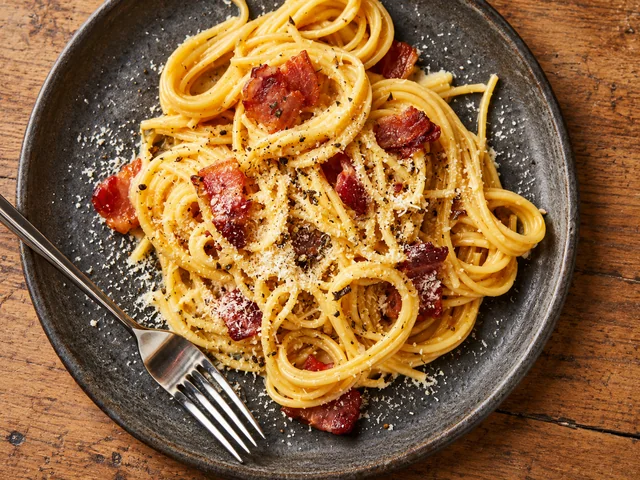
Spaghetti alla Carbonara

Five ingredients, no cream, one critical minute. The recipe comes first; everything that makes it work comes after.

2 servings · 25 min

Baking · United States

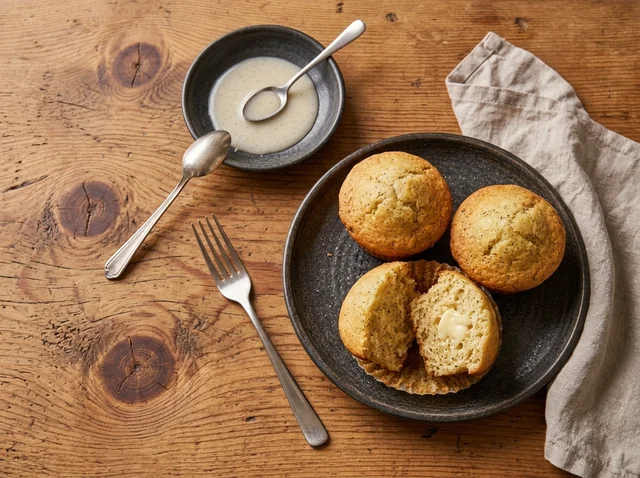
Vanilla Muffins

Two bowls, a lazy fold and the reason overmixing leaves tunnels in the crumb.

12 servings · 35 min

Side · Northern Europe

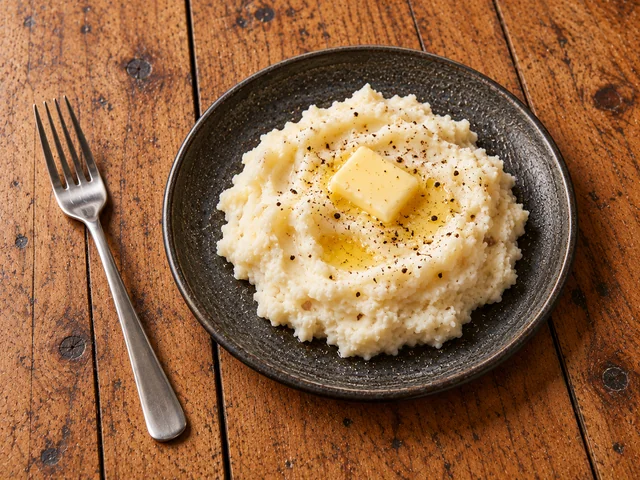
Mashed Potatoes

Starch is the whole story: which potato, how hot, and why the blender ruins it.

4 servings · 40 min

Starter · Southern Vietnam

Spring Rolls

A thin wrapper, a dry filling and oil at the right heat: the three rules of the crackle.

6 servings · 50 min

Filed Under