
7 min read · 1,408 words
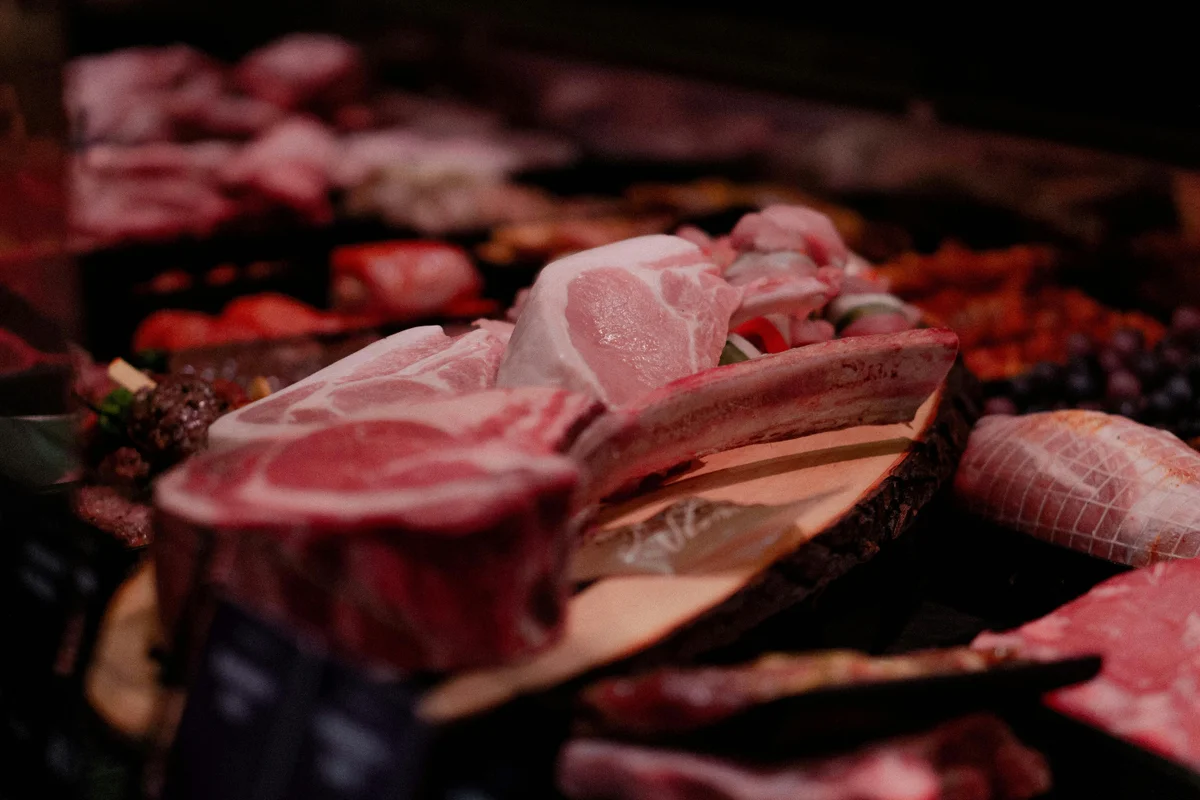
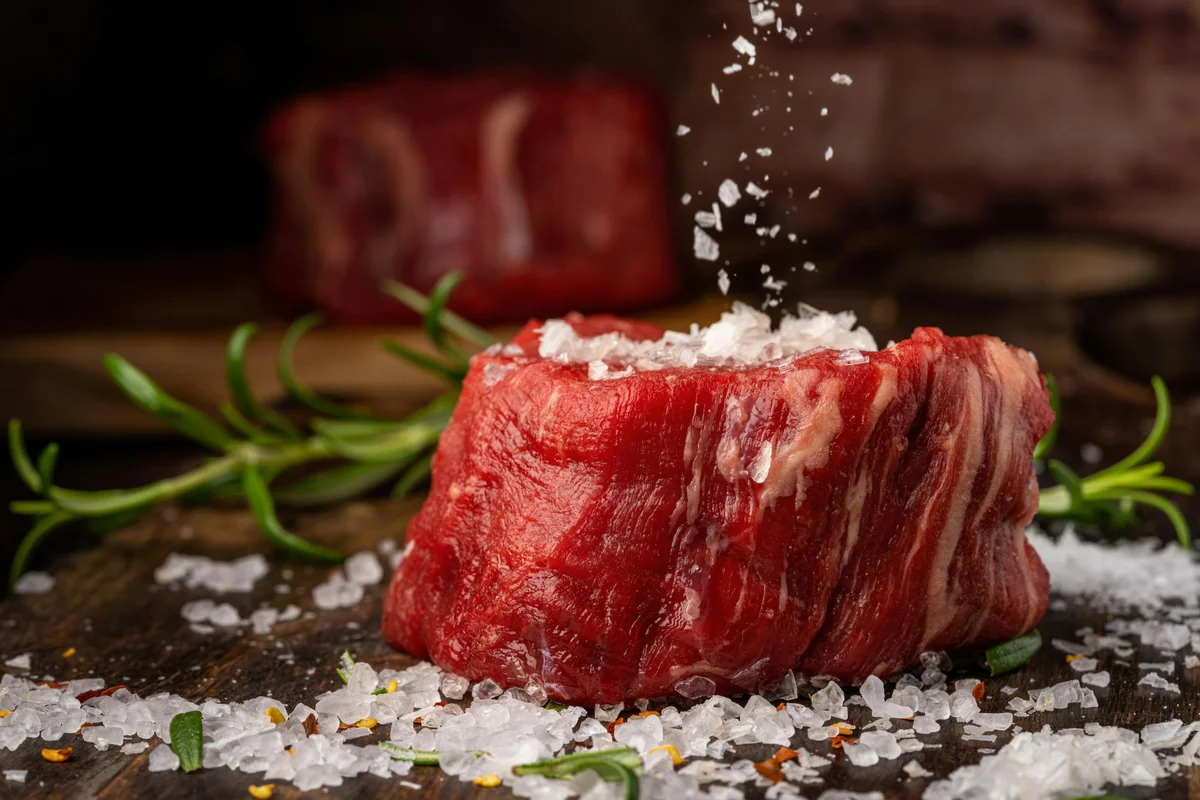
I was standing in a cold storage room in Prague 7, looking at a side of Czech Red cattle with a butcher named Pavel. He was pointing at the seam fat, the hard, internal stuff, and telling me how his grandmother would render it down for pastries. Good for him. But I was looking at the ribeye cap, that spinalis dorsi, and the beautiful, soft, intramuscular fat weaving through it like a marble river. I tapped it. “This,” I said. “This is what I need you to understand. The fat inside the muscle, that’s my business. The fat outside the muscle, that’s my business too, but it’s a different business.” He got it. He smiled, we got to talking about tallow, and I left with two kilos of trim to render down myself.
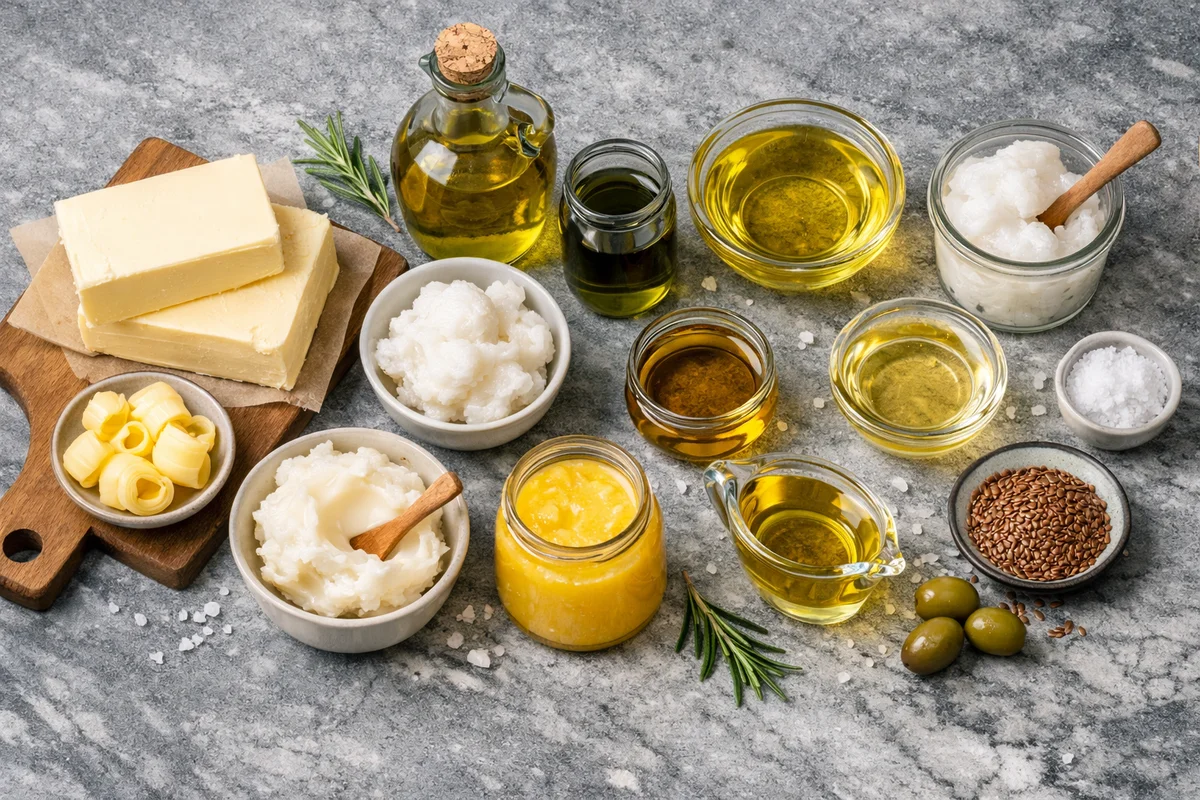
See, that’s the whole conversation right there. Most folks walk into a BBQ joint or their own backyard thinking smoke and rub are the whole story. They’re not. They’re the headline, sure, but the fat is the publisher, the editor, and the printing press. It decides how the story gets told, how long it runs, and what the final feeling is. You can’t just grab any oil off the shelf and expect it to carry sixteen hours of post-oak smoke into a brisket. It’ll buckle. It’ll turn acrid, or worse, disappear and leave your meat high and dry. Choosing your fats isn’t about stocking a pantry. It’s about building a support crew. You need your day-one, ride-or-die regulars, your special teams for flavor, and your secret weapon for finishing. Get that crew right, and everything else, the meat, the wood, the time, falls into line.
Your Non-Negotiables
These are the fats you reach for without thinking. They’re not glamorous, but they’re the bedrock. If you run out of these, you shut down the operation.
First, beef tallow. This isn’t optional. If you’re cooking beef, you need beef fat. I render my own from brisket trimmings: that hard, white fat cap and the softer deckle fat. Low and slow in a deep hotel pan in the oven until it’s clear and golden. That tallow does three jobs no other fat can. One, it’s my binder for the rub on any beef cut. Water washes flavor away; mustard is fine, but it’s a guest. Tallow is the beef, so it binds the seasoning and fries it into the bark as it renders. Two, I keep a pot of it warm, and when I wrap a brisket or beef ribs in butcher paper, I paint a thin layer on the paper. It keeps the wrap from sticking and essentially confits the meat in its own juices for the final push. Three, I use it to season my cast iron and my griddle. You haven’t lived until you’ve fried potatoes in beef tallow that’s seen a dozen briskets.
Smoke and rub are the headline, sure, but the fat is the publisher, the editor, and the printing press.
Second, unsalted butter. And I mean the good, European-style, 82% butterfat stuff. The higher fat content matters because it burns slower. I use it for two very specific, very important tasks. For pork, especially a pork shoulder that’s been going for ten hours and is looking a little parched in the foil boat, I’ll drop a few knobs on top. It bastes the meat as it finishes, adding a rich, creamy layer that smoke can’t provide. More crucially, it’s my secret for smoked mac and cheese. A roux made with butter and flour has a lower smoke point than one made with oil, but that’s the point. It toasts, it develops a nuttiness, and it stands up to the smoke without turning grainy. Canola oil will make a sauce, but butter makes a dish.
Where Personality Lives
This is where you start to paint. Your foundation is set, now you add the colors that give your food a point of view. These fats have distinct flavors that should be ingredients, not just mediums.
Bacon fat is your best friend. I keep a ceramic crock by the stove, and every time I cook thick-cut bacon, which is often, the grease goes in there. It’s liquid gold. I use it to start my baked beans, sautéing the onions and garlic in it so the pork essence is in the DNA of the pot. I’ll mix a spoonful into my collard greens instead of, or with, a ham hock. But here’s a pro move: when I’m smoking chicken thighs, I’ll loosen the skin and tuck a tiny piece of cold bacon fat under it. As it renders, it bastes the meat from the inside out, keeping it impossibly juicy and giving the skin a crackle you can hear across the garden.
Then you’ve got your specialty oils. I keep two on hand always. Pure, cold-pressed peanut oil for high-heat searing. Its smoke point is around 450°F, which means I can get a cast-iron screaming hot and give a steak or a pork chop a restaurant-quality crust without setting off every smoke alarm in the building. It’s neutral, so it’s all about the function. The other is good extra-virgin olive oil. Not for cooking over fire. Never. That’s a waste of money and flavor. I use it after. A final drizzle over smoked lamb, a splash in a vinaigrette for a bitter greens salad to cut the fat of the meal, or to finish a pot of white beans I’m serving alongside. It’s a fresh, grassy note that reminds you this is food, not just fuel.
The Finishers & The Secret Weapons
This last cluster is about finesse and solving specific problems. It’s what separates a good plate from a memorable one.
The goal isn’t to buy all of this tomorrow. It’s to think like a pitmaster, not a shopper.
Duck fat is the ultimate luxury. I don’t cook with it often, but when I do, it’s for a reason. If I’m doing smoked duck, I’ll score the skin, render some of the fat out in a pan first, save it, and then use that same fat to roast potatoes underneath the duck as it smokes. The potatoes catch the drippings and become the best thing on the plate. Duck fat also makes an incredible pie crust for a smoked chicken pot pie. It’s flakier, richer, and has a savoriness that lard alone doesn’t.
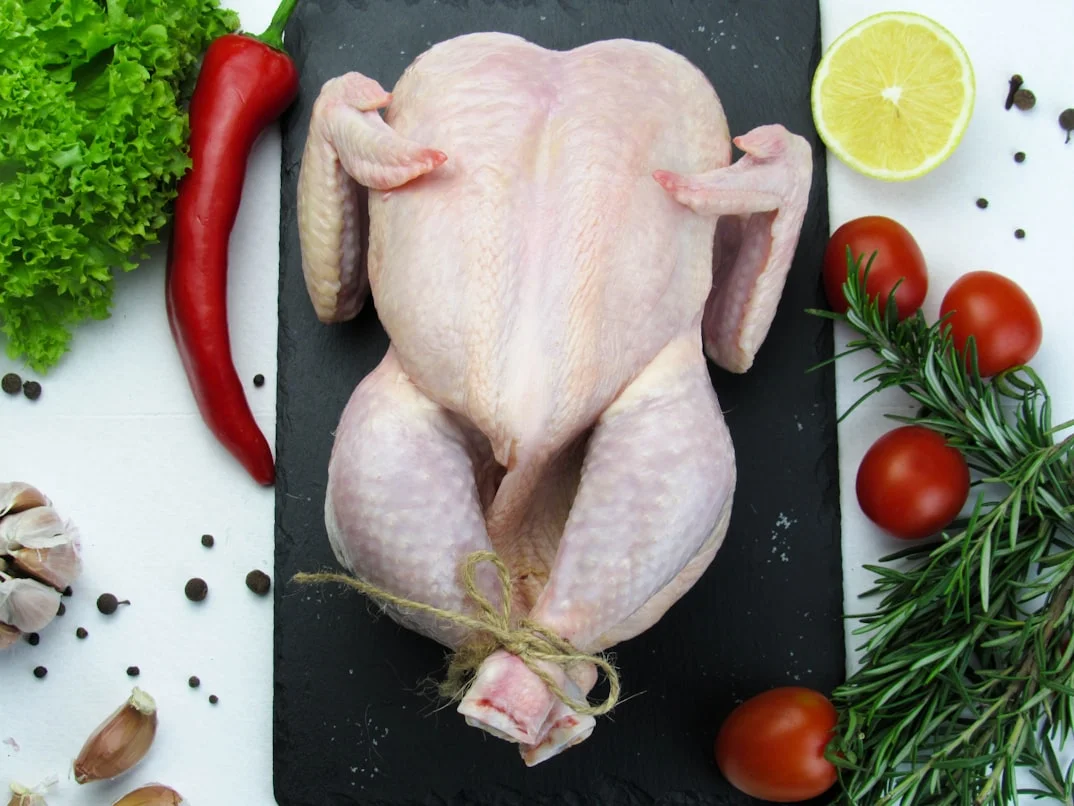
Then there’s mayonnaise. Now, hold on. I know what you’re thinking. But hear me out. In the South, we use Duke’s as a binder for pork shoulder sometimes. It’s eggs and oil, it makes a hell of a glue for rub and creates an insane bark. But my real use for it is as a tool. I’ll slather a whole chicken in mayo and herbs before it goes in the smoker. The oil and egg emulsion browns beautifully and keeps the bird moist in a way butter can’t, because it’s an emulsion, it holds water in. It’s not a flavor, it’s a mechanism. And for grilled corn? Mayo instead of butter. It sticks to the kernels, chars better, and gives you a base for your cheese and chili powder to actually adhere to.
My final secret weapon is Greek yogurt fat. That layer of cream that rises to the top of a good, full-fat Greek yogurt? That’s what I’m after. I’ll skim it off and use it to make a finishing sauce for smoked chicken or pork. Whisk it with a little lemon juice, garlic, and fresh dill. It’s tangy, creamy, and cool: the perfect counterpoint to heat and smoke. It’s a fat that feels fresh, and in a world of rich, heavy foods, that’s a powerful thing to have in your back pocket.
So look, the goal isn’t to buy all of this tomorrow. It’s to think like a pitmaster, not a shopper. Start with the tallow. Render it yourself. Feel how it changes from waxy solids to liquid gold. That’s your first lesson. Then add the bacon fat crock. Then the good butter. Build your crew one member at a time. You’ll start to see your food differently. You’ll stop seeing fat as just a thing that prevents sticking, and start seeing it as the conductor of your entire cook: carrying heat, carrying smoke, carrying flavor, and finally, carrying that feeling of something done right, from the inside out. That’s the real low-and-slow. It’s not just about the meat. It’s about everything that helps the meat become what it’s supposed to be. And that always starts with what’s in your pot, not just what’s on your fire.