
8 min read · 1,631 words
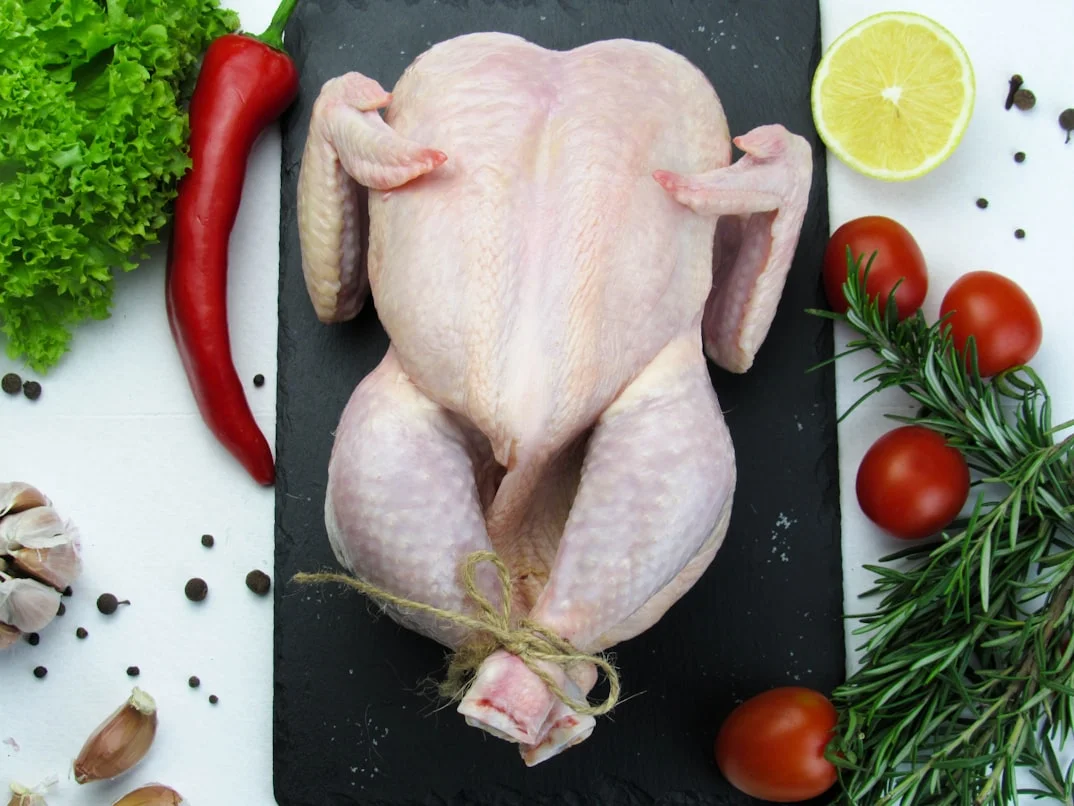
The guy at the farmers’ market in Prague 7 was holding up a whole chicken, pointing at the breast, telling me in broken English, “This is best. Very clean. Very healthy.” And I just nodded, because what are you gonna do, you know? But later, standing over my prep table back at the restaurant, I kept thinking about it. See, back home, we’d have that conversation about marbling in a ribeye, or the collagen in a pork butt. But with chicken? Folks just default. They go for the white meat like it’s the finish line of poultry, and everything else is just… practice. That’s a mistake. Choosing a chicken part ain’t about good or bad. It’s about picking the right tool for the job you’re trying to do. It’s the difference between a wrench and a hammer. Both are useful, but you don’t use one to do the other’s work.
I learned this the hard way, early. My uncle put me on chicken duty for a family reunion when I was maybe fourteen. He handed me a pack of boneless, skinless breasts and said, “Smoke ’em low, just like the pork.” Three hours later, I had what looked like pale, fibrous sponges that tasted like regret. He took one bite, chewed for what felt like a full minute, and said, “Boy, you just tried to make a racehorse pull a plow. Some cuts are built for speed, some for power. You gotta know which is which.” That stuck with me. It’s not that the breast is inferior. It’s that we keep asking it to do jobs it was never built for, then wonder why dinner’s dry.
It’s All About Fiber & Fat
Let’s get basic for a second, because this is where the decision starts. You look at a chicken, and you’re looking at two different types of muscle tissue, evolved for two different purposes. The breast is the flight muscle. Or it was, back when chickens did more than scratch in the dirt. It’s designed for short, explosive bursts: fast-twitch fibers. That means it’s lean, with the fat stored around it, not woven through it. It’s efficient, but it’s fragile. Cook it with high, direct heat for too long, and those fibers seize up, squeeze out all their moisture, and you’re left with that chalky texture everybody hates.
Now, the thighs and legs? Those are the endurance muscles. Slow-twitch fibers. They’re for standing, walking, scratching all day. They’ve got more connective tissue, more collagen, and critically, they have intramuscular fat: marbling, just like in a good steak. That fat and collagen is your insurance policy. When you apply low, slow heat, that collagen melts into gelatin. It bastes the muscle from the inside out. That’s not patience, that’s biochemistry. You’re literally transforming the structure of the meat. So your first decision point is simple: are you cooking with high, direct heat for a short time, or with lower, slower, more forgiving heat? Your answer tells you which end of the bird to shop for.
It’s not that the breast is inferior. It’s that we keep asking it to do jobs it was never built for, then wonder why dinner’s dry.
The Case for the Thigh
If I’m walking into a butcher here in Prague, or even my local supermarket, and I don’t know what I’m cooking this week, I’m grabbing thighs. Bone-in, skin-on. Always. It’s my default, my safety net, my weeknight MVP. Why? Because the thigh wants to be delicious. It’s working with you.
That intramuscular fat and collagen network means it’s incredibly forgiving. Overcook a breast by five minutes and it’s a tragedy. Overcook a thigh by five or even ten minutes on a low simmer, and that extra time is just giving the collagen more opportunity to break down. You get more succulent meat, not less. That’s power. I use thighs for everything from the obvious, braises, stews, confit, to the less obvious. Grilled? Absolutely. But you gotta treat it right. I’ll marinate thighs in something acidic like yogurt with lemon and my paprika mix, not to tenderize, but to flavor. Then I’ll grill them over indirect heat, finishing skin-side down over the coals to get that skin crackling. The fat renders, the skin crisps, and the meat stays juicy because its very structure protects it.
And the flavor? It’s deeper, richer, more chicken-y. It’s got that umami backbone the breast just can’t match. When I’m developing a new sauce or a rub at the restaurant, I test it on thigh meat first. If the flavor sings against that robust, fatty canvas, then I know it’s good. If it only works on the mild, lean breast, it’s probably too one-dimensional. Thighs tell you the truth. That’s why in my freezer at home, next to those American ribs, there’s always a vacuum-sealed pack of thighs. They’re the ingredient that lets me be spontaneous without risking a bad meal.
The Precision of the Breast
Now, let’s talk about the breast. I can hear some of y’all now: “But Jordan, you said you only do breasts if somebody’s making you!” And that’s true for my personal, lazy-Sunday cooking. But at the restaurant? We have a smoked chicken breast on the menu that sells out every weekend. Because when you respect what the breast is, a lean, quick-cooking protein, you can make something incredible. The breast isn’t bad. We’re just bad at cooking it.
The breast requires precision. It’s a specialist. Its superpower is its texture when cooked perfectly: that clean, firm-yet-juicy bite. To get there, you need two things: even thickness and precise temperature control. That’s why I always buy bone-in, skin-on breasts and debone them myself, or if I’m going boneless, I pound them to an even thickness. You’re eliminating the variables. Then, you cook it to temperature, not to time. 155°F (68°C) at the thickest part, then rest. That’s it. The carryover heat will bring it to a safe 165°F (74°C), but stopping it at 155°F means the proteins haven’t fully tightened into a stranglehold on the juices.
My go-to method? Salt it heavily the night before and let it sit uncovered on a rack in the fridge. That dry-brine seasons it deep and helps the skin get crazy crisp. Then, I’ll cook it skin-side down in a cast-iron skillet with a little bit of duck fat (because I’m in Prague, and that’s what I have) until the skin is golden and rendered. Flip it, throw the whole skillet into a 400°F (200°C) oven until it hits that 155°F mark. The result is something that converts breast-skeptics. It’s a lesson in technique. You’re not fighting the meat; you’re working with its nature. It’s a quick, high-heat job for a quick, high-heat muscle.
The breast is a canvas; the thigh is part of the painting.
Context Is Everything
So, you’re standing at the meat counter. How do you choose? Don’t just grab what you always grab. Pause for two seconds and ask yourself a couple questions.
What’s the cooking method? This is your primary filter.
- Grilling/Searing/Sautéing (High & Fast): You can do either, but they demand different prep. Breast needs even thickness and a vigilant eye on the thermometer. Thigh is more forgiving, but benefits from starting skin-side down over medium heat to render that fat.
- Braising/Stewing/Slow-Roasting (Low & Slow): This is thigh territory, full stop. The breast will turn to stringy mush. The thigh will become fall-apart tender. Think coq au vin, chicken paprikash, or my granddaddy’s chicken and dumplings: all thigh and leg dishes for a reason.
- Smoking: Here’s where I get opinionated. You can smoke a breast, but you have to brine it first (a buttermilk brine works wonders) and you have to pull it at 155°F. It’s a finesse play. Thighs? You smoke thighs to 175°F+, letting all that collagen break down. They’re bulletproof. At the restaurant, our smoked chicken plate is a half-bird for this exact reason: you get the precision of the smoked breast and the unctuous, smoky depth of the thigh. Best of both worlds.
What’s the flavor profile? Is your sauce or seasoning bold, spicy, tangy? A thigh can stand up to it and complement it. Is your dish subtle, delicate, leaning on herbs and lemon? A perfectly cooked breast can be the elegant centerpiece. The breast is a canvas; the thigh is part of the painting.
Who are you cooking for? Cooking for a crowd where timing is tricky? Thighs. They’ll hold warm without drying out. Trying to impress with technical skill? A perfectly executed pan-seared breast is a chef’s flex. Just getting a weeknight dinner on the table? Thighs, every time. Less stress, more reward.
Last week, one of my regulars, a Czech guy who’s become a real BBQ enthusiast, brought his friend in. The friend pointed to the smoked chicken on the menu and said, “But the breast is so dry usually, no?” My regular just smiled and said, “Not here. Order it.” He did. And when I walked by the table after, the guy had that look: the one where they’re a little surprised by how much they’re enjoying something they thought they didn’t like. He’d only ever had overcooked breast. He didn’t know what it could be.
That’s the whole game right there. It ain’t about thighs or breasts. It’s about ending up with a plate in front of you that makes you pause. Sometimes that comes from the forgiving, flavorful power of a thigh, braised until it’s falling apart into a pile of knedlíky. And sometimes it comes from the focused, precise execution of a breast, seared crisp and sliced over a bright summer salad. One ain’t better than the other. But one is almost certainly better for what you’re trying to do tonight. So next time you’re staring at that cooler, think about the job. Then pick the right tool. Your dinner will thank you for it.