
7 min read · 1,308 words
I was at my friend’s apartment, helping her make a ragù for a Sunday supper. She was complaining that it just never tasted like her nonna’s, no matter how long she simmered it. “It’s flat,” she said, stirring the pot with a worried look. I asked to see her oregano. She pulled a little glass jar from a rack right next to the stove. The lid was caked with a fine layer of grease from years of steam, and inside, the oregano was the color of faded hay: a pale, sad beige. I took a pinch, rubbed it between my fingers, and held it under her nose. “Smell this,” I said. She leaned in. “It smells like… dust?” Exactly. That was the problem. Her nonna’s secret wasn’t a secret ingredient; it was a fresh ingredient. She was cooking with a ghost of a spice, and no amount of simmering could bring that flavor back from the dead.
We get so focused on the what, oregano, cumin, smoked paprika, that we forget they are living, breathing things. Well, not breathing, but you know what I mean. They are volatile. They want to escape. And the way most of us store them is basically an open invitation for all their personality to just walk right out the door. That rack by the stove? It’s a flavor sauna. That clear jar on the windowsill? It’s a flavor bleaching salon. We treat our spices like decorative pottery when we should be treating them like the fragile, precious little flavor bombs they are.
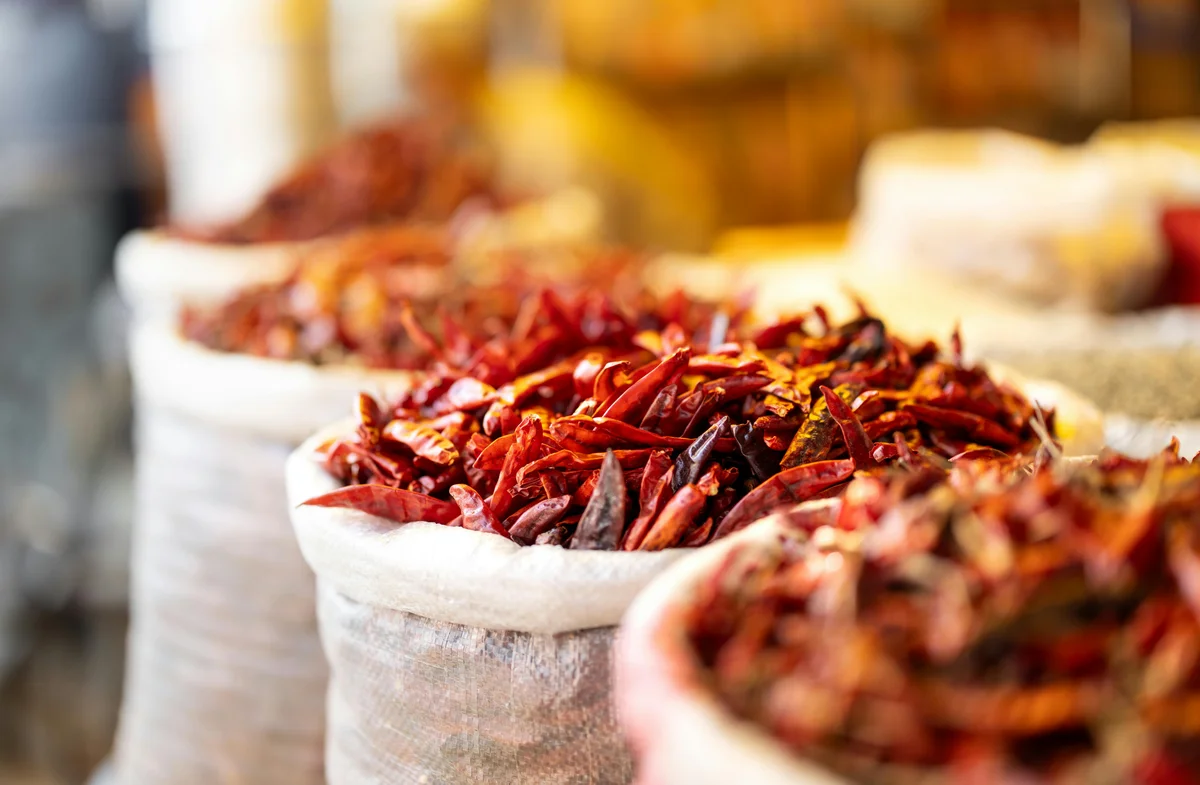
The biggest mistake isn’t buying bad spices. It’s murdering good ones with kindness. We think because they’re dry, they’re inert. Finished. Stable. But that’s the first myth to shatter. Spices are in a constant state of decline from the moment they’re harvested and dried. Light, heat, air, and moisture are the four horsemen of the spice apocalypse, and your kitchen counter is their favorite battlefield. I learned this the hard way, not in a classroom, but in a bodega in Oaxaca. My abuela kept her whole dried chiles, guajillos, pasillas, chilhuacles, in a dark, cool cupboard in thick, woven baskets, never in plastic bags. They stayed pliable, fragrant, potent for months. Meanwhile, I’d see tourists buying beautiful, vibrant red chiles de árbol from the market, only to stuff them in a clear Ziploc and leave them in a hot car. By the time they got home, those chiles were faded and brittle, their heat turned harsh and one-dimensional. The difference wasn’t the spice; it was the stewardship.
The biggest mistake isn’t buying bad spices. It’s murdering good ones with kindness.
This is where my professional nosiness kicks in. When I source for the collective, I don’t just taste; I ask about the journey. How were these peppercorns dried? How quickly were they packed after grinding? I once visited a small pimentón producer in La Vera, Spain, and their storage room was like a sacred cave: cool, dark, and smelling profoundly of smoked peppers. The spices weren’t just sitting there; they were resting, protected. That’s the mindset. Your spice drawer shouldn’t be an afterthought. It’s the first line of defense for your dinner.
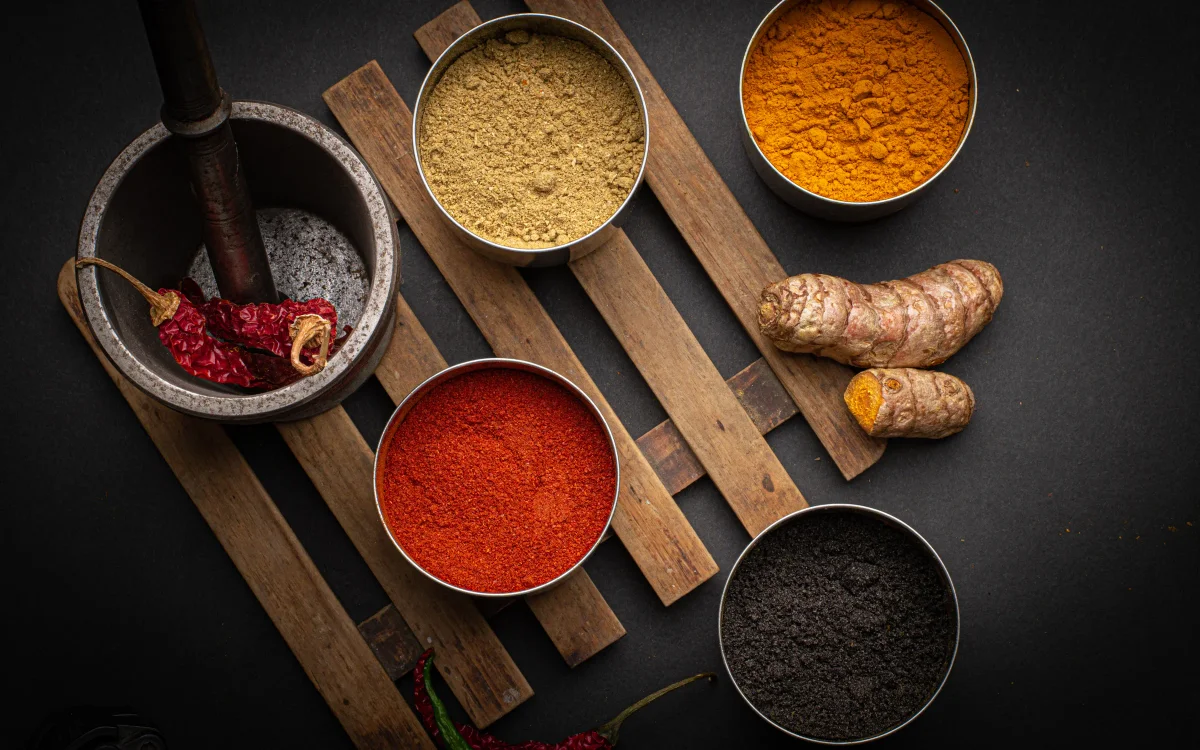
And let’s talk about the container conspiracy. That cute magnetic tin set you got as a gift? Probably terrible. The beautiful glass jar with the shaker lid? A traitor. If light can get in, it’s damaging the oils that create aroma and flavor. If the lid doesn’t seal completely airtight, oxygen is in there oxidizing everything, turning your vibrant turmeric into tasteless yellow powder. I transfer everything, everything, into small, solid-colored glass jars with tight-fitting lids, or if I’ve bought in bulk, I use heavy-duty bags I press all the air out of before sealing. My comino (cumin) seeds live in a dark jar in a drawer, not on display. It’s not about hiding them. It’s about protecting them. Think of it like good olive oil: you wouldn’t leave a bottle of that beautiful, grassy extra vergine on the counter in the sun for a year, then wonder why your salad tastes bland. The same principle applies to your ground coriander. It’s an oil, just trapped in a powder.
This leads to the substitution philosophy, which is really a storage philosophy. People often ask me, “Can I use ground ginger instead of fresh?” and the real question they should be asking is, “Is my ground ginger even alive?” If your jar of ground ginger is from that time you made gingerbread three Christmases ago, the answer is no. You cannot substitute a corpse for a living ingredient. But if you have a jar of well-stored, recently purchased ground ginger, then yes, of course you can: you just understand the trade-off. You’re getting warmth and earthiness without the bright, pungent punch of the fresh root. That’s an informed decision. Making a mole negro with stale, poorly stored canela and dusty clavos (cloves) is why people think mole is just a muddy, bitter sauce. It’s not. You’re just using ghosts.
If it doesn’t smell like anything, or worse, smells like dust and attic, it’s not a spice anymore. It’s decoration.
The “buy whole, grind fresh” advice is right, but it’s only half the story. Yes, whole cumin seeds or black peppercorns retain their volatile oils far longer than their pre-ground counterparts. Grinding a teaspoon of cumin seeds in my molcajete just before adding it to toasted oil for salsa macha releases a fragrance that fills the entire kitchen, a fragrance that pre-ground cumin lost in its warehouse shelf life. But here’s the part people miss: those whole spices need protection, too. My whole black peppercorns are just as susceptible to light and heat as the pre-ground pepper. The advantage is they have a fortress, their own outer shell: protecting the good stuff inside. Grinding breaches that fortress. So if you grind a big batch of cumin to “save time,” and then store that batch in a big, clear jar, you’ve just defeated the entire purpose. You took the fortress, blew it up, and left the treasure exposed. Grind what you need, when you need it. It takes 30 seconds. Your future self, tasting your al pastor marinade, will thank you.
I have a system, born from frustration. When I get home from the market or a sourcing trip, I have a ritual. New spices get labeled, not just with the name, but with the date. A little piece of masking tape on the bottom: “Chipotle Powder, Oct 2023.” It’s not obsessive. It’s honest. It tells me when to be suspicious. After a year, most ground spices are polite acquaintances of their former selves. After two years, they’re strangers. I keep a small, active jar in the kitchen drawer, and the rest of the bulk goes into the freezer, sealed in those air-pressed bags. The freezer is a fantastic, stable environment for spices, cold, dark, and dry. Just make sure the container is truly airtight to prevent freezer moisture (and smells) from getting in. My suocera thought this was una pazzia until I replaced her two-year-old, brick-hard peperoncino flakes with some of my frozen stash. She called me later, saying her arrabbiata sauce finally had its rabbia back: its “anger.” Its life.
So, open your cupboard. Take out that jar of paprika. Smell it. If it doesn’t smell like anything, or worse, smells like dust and attic, it’s not a spice anymore. It’s decoration. You wouldn’t cook with rotten cilantro or rancid walnuts. Stale spices are the pantry equivalent. Your shelves are your secret weapon, but only if what’s on them is still capable of fighting. Start treating those little jars not as permanent fixtures, but as seasonal guests that need a cool, dark, quiet room to stay in. Then watch how your simplest dishes, the beans, the grilled chicken, the Tuesday night tomato sauce, start speaking in a language you thought you’d forgotten. They’ll taste like something. Finally.