
8 min read · 1,639 words
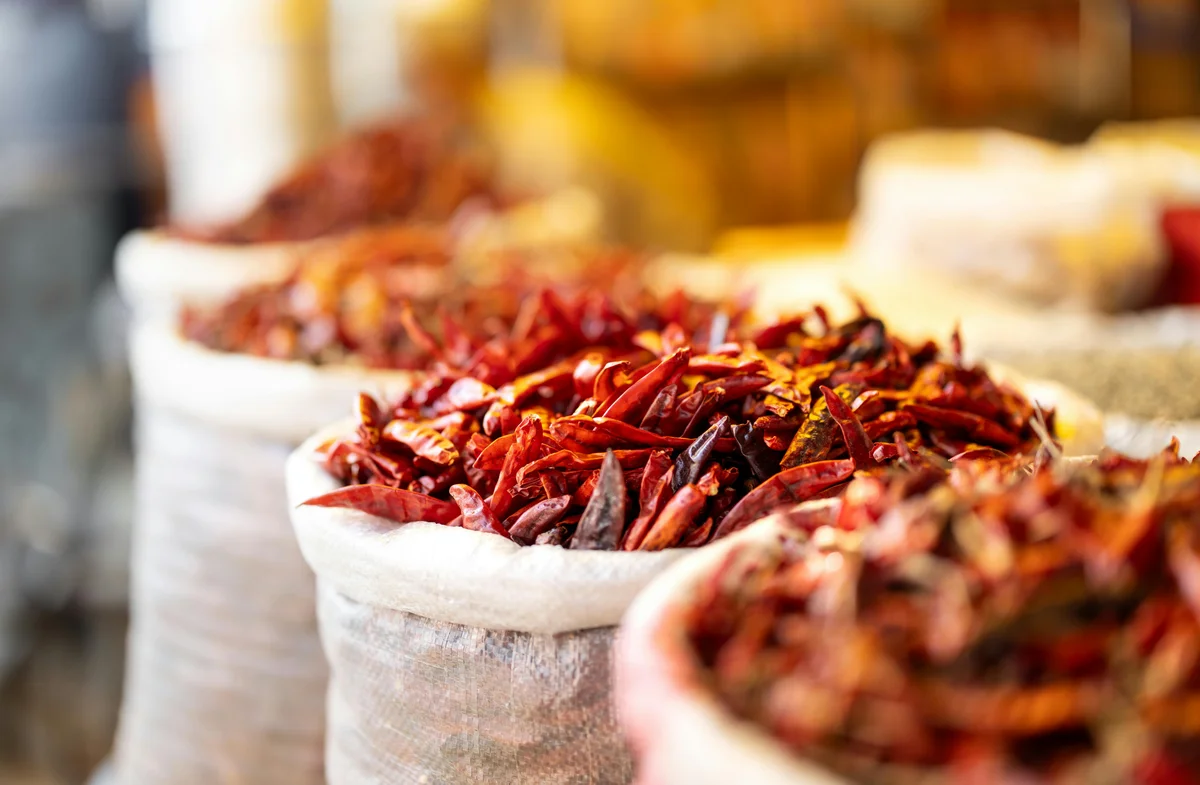
You know that moment when you’re standing in the aisle, staring at a wall of plastic bags filled with wrinkled, dark red pods, and you just… freeze? You pick one up. Chile Ancho. It sounds nice. You see Chile de Árbol. That sounds spicy. Guajillo? Pretty name. But what do you do with them? Which one goes in the pot of beans simmering on your stove, and which one would ruin it? I’ve watched it happen: a friend, a lovely person who makes a perfect béchamel, once confessed she bought the first bag she saw for a pozole recipe and ended up with a broth so brutally, one-dimensionally hot her kids cried. Not the good kind of crying, you know? The kind that means you’re ordering pizza.
That wall isn’t a mystery to be solved by memorizing a list. It’s a palette. And you don’t need one of everything. You need a system. My system was built in two places: first, in my abuela’s cocina in Oaxaca, where chiles were never just “spicy,” they were the source of color, depth, and a kind of earthy sweetness. And later, in the markets of Rome, where I learned that the principle isn’t so different from selecting dried porcini over button mushrooms, or a young Parmigiano over an aged one: it’s about choosing the right tool for the job you have in mind. So let’s talk about the five dried chiles that form a complete working pantry, not based on heat level, but on the role they play in building flavor from the ground up.
Sweetness and Body
Every great structure needs a foundation, and in the world of dried chiles, that foundation is built on sweetness and flesh. These are the chiles that provide the base note, the thick, velvety body for your sauces and stews, the kind of deep, raisiny flavor that makes you close your eyes and hum.
This is where you start. And for me, there is no debate: the Chile Ancho is your non-negotiable first brick. This is the dried form of the poblano, and if you’ve ever had a chile relleno, you know its fresh character, green, vegetal, mild. Dried, it transforms. It becomes a deep, reddish-brown, with a wrinkled skin that feels like old leather. But inside? It’s all prunes, licorice, and a hint of tobacco. Its heat is a gentle, low whisper. You use ancho for body. When you toast it, soak it, and blend it, it creates a sauce with substance, a sauce that coats the back of a spoon. It’s the heart of a simple enchilada sauce, the soul of a pot of pinto beans. I buy them pliable, never brittle, if it snaps like a cracker, it’s too old and its sugars have faded. One time, sourcing for the collective, I tasted anchos from three different valleys in Puebla back-to-back-to-back. The difference wasn’t in heat, but in the type of sweetness: one was like sun-dried cherries, another like steeped black tea, the last like rich molasses. I chose the cherry one for a project, because it was going into a mole that needed that bright fruit note against the chocolate. That’s the level of nosiness that matters.
That wall isn’t a mystery to be solved by memorizing a list. It’s a palette.
Its partner in this foundational work is the Chile Guajillo. Think of the ancho as your bass note, and the guajillo as the bright, tangy string section that lifts it. Guajillos are a beautiful, deep red with a smooth, shiny skin. Their flavor is sharper, greener somehow: think of tart berries, green tea, and a clean, crisp acidity. They have a bit more of a kick than ancho, but it’s a quick, bright heat that doesn’t linger. Where ancho gives body, guajillo gives structure and a vibrant red color. In traditional recados or pastes, they’re almost always used together. My abuela would toast them side-by-side on her comal, the ancho puffing up like a little pillow, the guajillo releasing a scent like toasted hay. She’d say the ancho was the corazón (the heart) and the guajillo was the brillo (the shine). You don’t make a pozole rojo without guajillo. You just don’t. It provides the essential tang that cuts through the richness of the pork. Together, ancho and guajillo are your first cluster, your dynamic duo for building anything that needs depth, color, and a complex, rounded sweetness.
Smoke and Fruit
Once your foundation is set, you need catalysts: ingredients that introduce a new axis of flavor, that change the direction of a dish entirely. These chiles aren’t about building bulk; they’re about providing a defining character.
The king of this category, and my absolute desert-island chile, is the Chipotle. This is simply a smoked, dried jalapeño. But that “simply” does a lot of work. A good chipotle meco (the tan-brown, wrinkled one) is a universe in a pod. Tear one open and smell it: it’s a campfire in a forest, it’s dried apricots, it’s a deep, resonant sweetness followed by a slow-building, smoky heat that sits in the back of your throat. This is your umami bomb. I use it anywhere I want depth and a smoky whisper. Not a heavy, bacon smoke, but a dry, aromatic smoke. A single pod, seeded and blended into a pot of black beans, transforms them into something profound. It’s incredible in a braise for short ribs, or minced into a mayonnaise for a sandwich. The canned version in adobo is a fantastic pantry staple for a quick fix, but the dried pod gives you control. You can toast it lightly to amplify the smoke, or soak it to mellow it. I learned to respect its power from my suocera, of all people. She was skeptical of my “Mexican smoked pepper” until I slipped one into her Sunday ragù. She called me later, confused and thrilled. “Maribel, what did you do? It’s… deeper. It has a fondo (a background) I can’t place.” Now she keeps a jar in her cupboard next to the peperoncino.
The other catalyst is the Chile Pasilla. Often confused with ancho because it’s dark, the pasilla is its own creature. It’s the dried chilaca chile, long, thin, and blackish-brown. Its name means “little raisin,” and that’s exactly its gift: a concentrated, pure fruitiness. Think blackberry, blueberry, a hint of bitter cocoa. Its heat is mild, similar to an ancho, but its flavor profile is entirely different: less earthy, more purely vinous. This is your secret weapon for complexity. Where chipotle adds smoke, pasilla adds a layered, dark fruit note. It’s essential in certain moles, like my mole negro, where its fruity acidity balances the chocolate and the sweeter chiles. But in a practical, everyday sense? A single pasilla, blended into a simple tomato sauce for pasta, does something magical. It doesn’t make it “Mexican.” It makes it interesting. It adds a dimension that makes people ask, “What is that? It’s so good.” It’s the answer.
The real magic happens when you stop seeing them as isolated ingredients and start seeing them as a team.
Pure, Focused Heat
Finally, you need an accelerant. A chile whose primary job is to bring reliable, clean heat without overpowering the flavors you’ve so carefully built. This isn’t about punishment. It’s about precision.
For this, I always, always reach for Chile de Árbol. These are small, slender, and vibrantly red. They are fiery, yes, but their heat is sharp, crisp, and fast. More importantly, their flavor is clean and slightly nutty, almost like a toasted almond. They don’t bring the sweetness of an ancho or the smoke of a chipotle. They bring heat and a bright, peppery redness. This is the chile you use when your foundational sauce needs a lift, when your salsa needs a kick, when you want to make a quick, fiery oil for drizzling over pizza (trust me, it’s a game-changer). Because their flavor is so straightforward, they’re incredibly versatile. I keep a handful whole in a jar by the stove, next to my peppermill. Crush one into a pot of lentils while they simmer. Crumble one over avocado toast. They are your heat utility player. I’ve seen people reach for a habanero when they just want heat, and then their whole dish tastes like habanero. Chile de árbol lets the other flavors stay in charge; it just turns up the volume.
So there’s the lineup: Ancho and Guajillo for your sweet, fleshy foundation. Chipotle and Pasilla for your smoky, fruity catalysts. Chile de Árbol for your precise accelerant. With these five, you can navigate 95% of the recipes you’ll ever encounter that call for dried chiles. You can also start to improvise. No pasilla for that mole? Understand you’re losing a layer of dark fruit, so maybe add a few extra raisins to the blend. No chipotle for the beans? A tiny bit of smoked paprika can hint at the smoke, but you’ll miss the fruit: it’s a trade-off, not a crime.
The real magic happens when you stop seeing them as isolated ingredients and start seeing them as a team. Last week, I made a simple weeknight soup: just some chicken broth, shredded chicken, a handful of hominy. I toasted one ancho (for sweetness), one guajillo (for tang and color), and a single chipotle (for smoky depth). I soaked them, blended them smooth, and simmered that paste into the broth. In twenty minutes, I had a pozole that tasted like it had simmered for hours, with a complexity that belied the effort. That’s the power of a built pantry. Your shelves are your secret weapon, honestly. They let you build flavor from the ground up, with intention, turning a Tuesday night into something that matters. Just please, for the love of all that is good, check the bag for a packing date. You don’t want 2019’s faded ghosts. You want this year’s harvest, still humming with the sun.