
8 min read · 1,599 words
Listen. You’re in my lab. It’s six in the morning, and I’ve got three batches of pasta frolla resting. Same recipe, my grandpa’s, down to the gram. Same Italian 00 flour, same ridiculous amount of European butter, same pinch of salt. The only thing I changed? The sweetener. One with white sugar, one with honey from the hills above Positano, one with dark maple syrup a friend brought me from Vermont. I bake them off, let them cool just enough. You take a bite of each. Uè belli, your face tells the whole story. The sugar one is perfect, crisp, a clean sweet note. The honey one? It’s softer, almost melts, and there’s a whisper of flowers at the end, like a memory. The maple one… it’s a different creature. Deeper, with a roundness that makes the butter taste more… buttery. It’s not better or worse. It’s a different conversation. And that’s the point most people miss. They think sugar is just… sweet. A one-note singer. But in the orchestra of a pastry, the sweetener is the lead violin. Change the violin, you change the whole symphony. You change the texture, the color, the moisture, the very soul of the thing. And if you don’t understand that, you’re just following a recipe with your eyes closed.
So let’s open them. This isn’t about swapping one for another because you ran out. This is about making a decision. A real, chef’s decision. Because every sweetener comes with its own history, its own personality, its own demands. You don’t just invite it into your dough; you have to know how it’s going to behave, who it’s going to argue with, what kind of party it’s going to throw in your oven. My grandpa, bless him, he only used white sugar for his sfogliatelle ricce. He said anything else would disrespect the thousand layers. And he was right, for that recipe. But I’m not him. I’ve worked in labs where they used rice syrup in vegan brioche and watched a lievito madre throw a tantrum because it didn’t recognize the food. I’ve seen the magic of a dark muscovado sugar in a chocolate torta, making it taste like it’s been aging for a century. This knowledge doesn’t come from a book. It comes from the slap of the dough, from the color of the crust, from the mistakes that filled a bin.
Think of sweetness as architecture, not just paint. White granulated sugar? That’s steel and glass. Strong, clean, predictable. It builds structure. When you cream it with butter, those sharp crystals carve little air pockets into the fat: this is the foundation of your cake’s rise. In a meringue, it’s what gives the foam its rigid, glossy walls. It’s a functional sweetener. It doesn’t want to be the star; it wants to build the stage for the other ingredients to shine. This is why, in a delicate pan di Spagna where you need that impeccable, tender crumb, you use fine white sugar. You’re not looking for flavor complexity; you’re looking for structural integrity and a neutral sweetness that lets the eggs and the vanilla bean sing.
In the orchestra of a pastry, the sweetener is the lead violin.
But then you have the brown sugars. These are your old bricks and aged wood. They bring moisture, they bring acidity, they bring a whole bag of flavors: molasses, caramel, a touch of smoke. You swap white for dark brown in your cookie dough and you’re not just making a sweeter cookie. You’re inviting humidity into the party. The cookie will spread differently, it will stay chewy in the center, and it will have that deep, almost toffee-like depth. But you have to understand the trade. That moisture it brings? It can make your delicate pasta frolla soggy, it can fight with your careful lamination. I learned this the hard way, trying to make a maple-pecan crostata for an American friend. I used the syrup in the dough, and my beautiful crust came out soft, bending like a sad cracker. A structural failure. Emotionally devastating. The flavor was incredible, but the texture lied. The sweetener changed the physics.
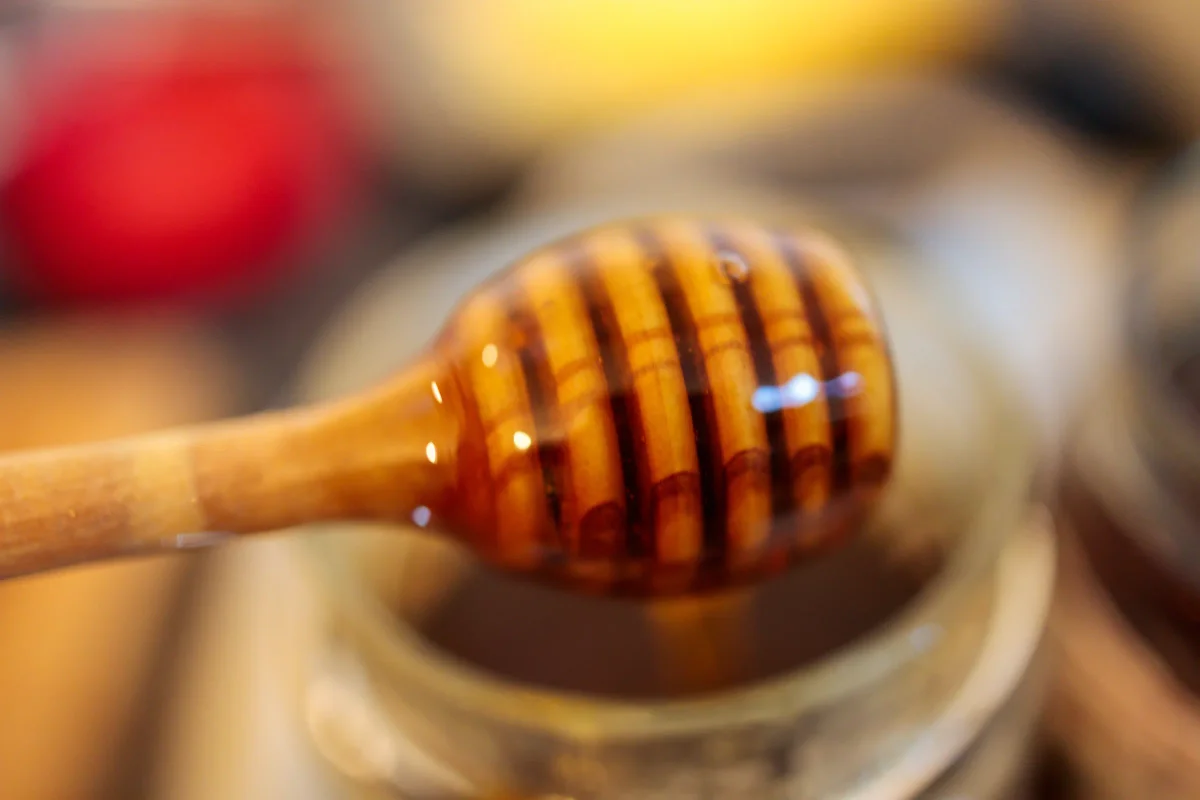
This is where listening comes in. Honey, for example. Honey is a liquid, but it’s also a dictator. It’s hygroscopic: it pulls water from the air, from your other ingredients. A pastry made with honey will stay softer, longer. It’s why some of those ancient Greek honey cakes could last. But honey is also acidic, and that acidity can interfere with your leavening. You can’t just do a one-to-one swap with sugar. You have to adjust, you have to balance. You have to respect its power. I remember making struffoli with a very dark, almost bitter chestnut honey. The honey wasn’t just a glaze; it was the main event. It penetrated every little fried ball, made them sticky and fragrant and complex. But if I’d used that same honey in a delicate bavarese? It would have overpowered the cream, made it cloying, hidden the vanilla. It would have been a bully.
And let’s talk about the impostors. The liquid agaves, the rice syrups, the “natural” blends. Some of them have their place, I’m not a total dinosaur. But you have to understand what they are. They’re often mostly fructose, which is much sweeter than sucrose and browns faster. You put a cookie made with agave in the oven thinking you’ve got ten minutes, and in six it’s black on the bottom. Why? Because you didn’t listen to what the sweetener was telling you. It was screaming “I burn fast!” and you were reading a recipe for sugar. These alternative sweeteners often lack the structural power of sucrose. They can make things gummy or dense. They’re not building that steel-and-glass structure; they’re throwing up a tent. And if you’re making a soufflé, a tent is not going to cut it.
The most beautiful relationship, though, is between sweetener and fruit. This is where you can hear the music.
The most beautiful relationship, though, is between sweetener and fruit. This is where you can hear the music. A peach crostata with white sugar is beautiful, classic. But take those same peaches, toss them with a little light brown sugar and let them macerate for an hour. The brown sugar’s molasses and acidity will pull out the juices of the peach, create a syrup that’s deeper, more caramelized. It amplifies the fruit’s own character. Conversely, a tart berry compote might need the clean, sharp sweetness of white sugar to brighten it without muddying its vibrant color and acid punch. You’re not just sweetening; you’re conducting a duet. Are the fruit and the sugar singing the same note, or are they harmonizing? I do this with my fig and almond tart in the fall. The dried figs are already so deep, so almost wine-like. If I used a dark sugar, it would be too much, like two basses trying to sing the same part. So I use a blonde cane sugar, maybe with just a tablespoon of honey for perfume. It lifts the figs, it lets the almonds come through. It’s a decision.
Which brings me to the soul. Beyond moisture, beyond browning, beyond structure, sweeteners have a terroir, a memory. My grandpa’s zeppole were fried and then rolled in plain white sugar. That was the tradition. The sugar was a crisp, sweet shell against the hot, soft dough. Perfect. But once, when I was working in a restaurant in the English countryside, we made a rhubarb fool. We stewed the rhubarb with vanilla and… granulated sugar. It was fine. It was sweet. Then the head pastry chef, this old Welsh guy with flour in his eyebrows, handed me a jar of heather honey. “Try this,” he said. We warmed the honey gently, just to loosen it, and folded it into the cream. The whole character changed. It went from a simple dessert to something that tasted of a specific place, of those damp, windy hills where the bees worked. The sweetener told a story the sugar couldn’t.
That’s the secret they don’t teach you in school. Maple syrup tastes of woodsmoke and cold mornings. A dark panela from Colombia tastes of sugarcane juice and earth. Even a simple dolce di latte made with sugar versus one made with honey: they are siblings, not twins. The honey one will have a floral, elusive note that makes you lean in for the next bite. It’s not about one being superior. It’s about intention. Are you building a skyscraper or a cottage? Are you writing a pop song or a folk ballad? The sweetener sets the genre.
So the next time you bake, before you even reach for the flour, make your first decision: the sweetener. Hold it in your hand. If it’s sugar, feel the crystals. If it’s honey, watch how it moves, slowly, like it’s thinking. Smell it. Taste it alone. Ask yourself: what is this going to do? Is it going to build, or is it going to blend? Is it going to shout, or is it going to whisper? Is it a friend to my butter, or will it start a fight? You have to be the boss, yes. You have to give the dough its TOTTÒ when it needs it. But you also have to be a good host. You’re inviting this ingredient into your home, into your oven. Know its name, know its habits. Because when you understand that sweetness is a language with a hundred different dialects, you stop just making pastries. You start telling stories. And that, belli, is when the real magic happens. When every bite has something to say.