
7 min read · 1,275 words
You know that moment when you’re kneading, and the dough just… stops fighting you? It’s not a silence, but a sound. A soft, alive, elastic thwump as it hits the marble. That’s the sound of gluten singing in tune. But last week, a student of mine, a good kid, passionate, he brings me this pasta frolla for a crostata. He’s kneaded it, chilled it, rolled it. He goes to lift it into the tart tin and… it crumbles. It doesn’t tear, it shatters, like a dry leaf. He looks at me, heartbroken. “Maestro, I followed the recipe!” I put my big paw on his shoulder. “Figliu’, you followed the words. But the recipe didn’t tell you about the flour’s soul.” He used the wrong flour. Not a bad flour, just the wrong soldier for that battle. And in that moment, I knew what we had to talk about. Because flour isn’t just powder. It’s the bones, the muscle, the very character of your pastry. Choose wrong, and the whole structure collapses.
Let’s start with the queen, the one that causes the most confusion because everyone thinks they know her: Farina 00.
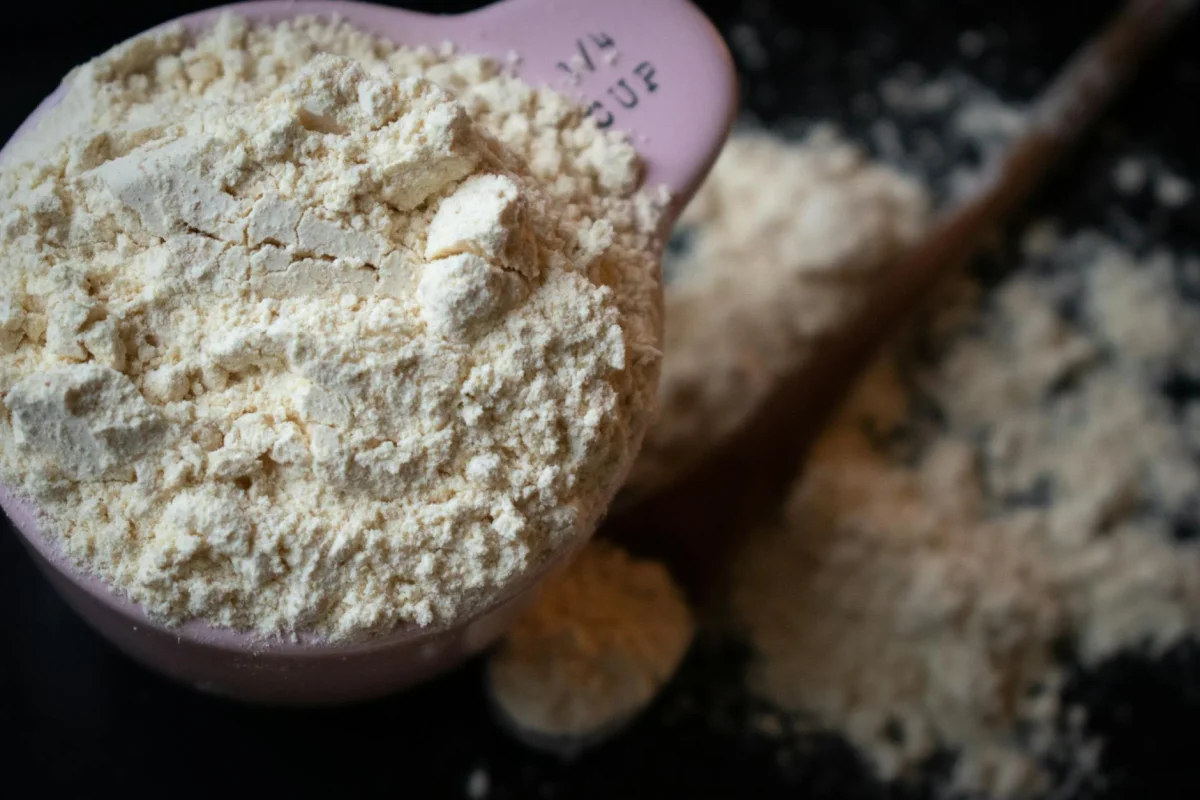
This is my daily driver. But ue’, the misunderstandings I hear! “00, that’s for pizza!” Yes. And no. That number, the “00”, it only tells you one thing: how finely it’s milled. Zero-zero, superfine. It says nothing about its strength. You can have a soft 00 and a strong 00. In Naples, when we say “00”, we usually mean a medium-strength flour, perfect for a family of doughs. Think of it as your all-purpose, but with Italian elegance.
Its magic is in its balance. It has enough protein to build a tender, yielding structure for your pasta frolla, that’s the sweet shortcrust that should melt, not crumble, but it’s not so strong that it fights you. When I make the dough for a pastiera, the Neapolitan Easter wheat pie, I use 00. The cooked wheat berries need a tender embrace, a crust that supports but doesn’t dominate. You work it just until it comes together, you feel it become smooth, and then you stop. No overworking. That’s the secret. It’s a flour that rewards a gentle, confident hand. If your shortcrust is tough, you’ve either manhandled it, or you’ve used a flour that’s too strong for the job. 00 is your first lesson in listening.
Now, let’s talk muscle. Farina Manitoba or strong bread flour.
Because flour isn’t just powder. It’s the bones, the muscle, the very character of your pastry.
This is the flour for when you need architecture. When you want height, chew, a network of gluten that can trap air and steam and dreams. The name comes from Canada, from the wheat that built a continent, and it came to Italy and built our panettone. This flour isn’t just strong. It’s tenacious. You have to wrestle with it. You have to develop that gluten network, and that takes time and force. This is where the slapping comes in, TOTTÒ!, that rhythmic, physical work that aligns the proteins.
You use this for your brioche, for your babà, for any dough that needs to rise tall and proud and hold a delicate, airy crumb. My lievito madre, my sourdough starter that’s older than some trendy bakeries, she feeds on this flour. She needs that robust protein to stay active and acidic and give life to a loaf for days. But here’s the mistake I see: people use it for everything, thinking stronger is always better. No! Use Manitoba in a cake, and you’ll get a tight, rubbery crumb. It’s like using a bulldozer to plant a flower. Know your tool.
For the opposite end of the spectrum, we have Farina 0.
Think of 0 as 00’s slightly more rustic cousin. It’s milled less finely, so it retains more of the wheat’s character, a little more bite. It’s what I often use for a sturdy, country-style bread, the kind you want to hear a real crack from when you break it open. It absorbs liquid differently, more slowly, more thirstily. When I make taralli, the savory Southern Italian knots, I sometimes use a mix of 0 and semolina. It gives them a satisfying snap, a heartiness that stands up to a glass of wine. It’s a flour that isn’t afraid to taste like grain. It’s honest.
But flour isn’t just wheat. Oh no. Let’s walk into different territory. Farina di Semola Rimacinata: remilled semolina.
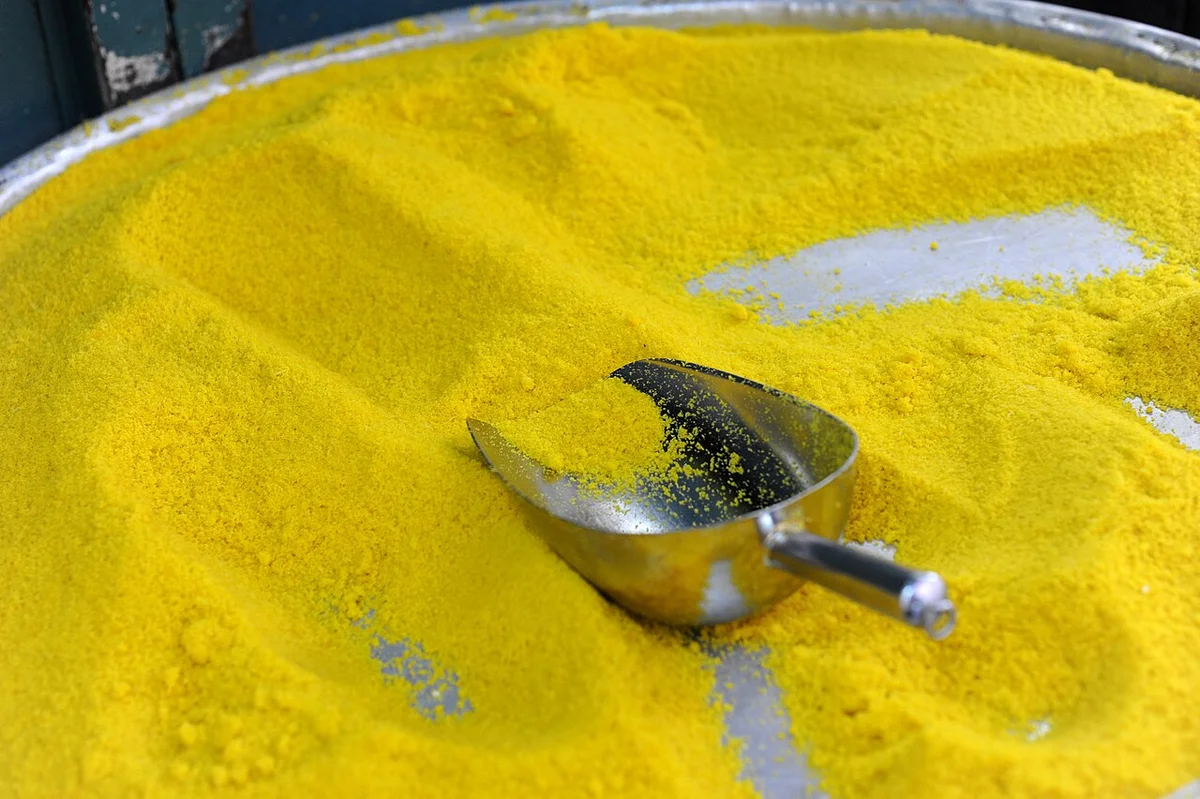
This is the soul of the South. It’s milled from durum wheat, the hardest of them all. It’s not white. It’s a beautiful, pale gold. And it feels different. Run your fingers through it. It’s granular, like fine sand. This is the flour for pasta, of course, but in pastry? This is the secret to the perfect shell of a cannolo siciliano. That shatter? That audible crack when you bite? That’s semolina. It gives structure without being elastic. It fries up to a crispness that wheat flour can only dream of. I also dust my baking peels with it when I make certain breads: it doesn’t burn like flour, it gives a gorgeous, gritty bottom. And mixed with a softer wheat flour, it brings a beautiful golden color and a nutty flavor to a rustic crostata. It’s sunshine, ground into powder.
You don’t start with the recipe. You start with the vision.
And we cannot forget the gentle ones, the flours that provide tenderness, not strength. Farina di Riso and Farina di Mandorle: rice flour and almond flour.
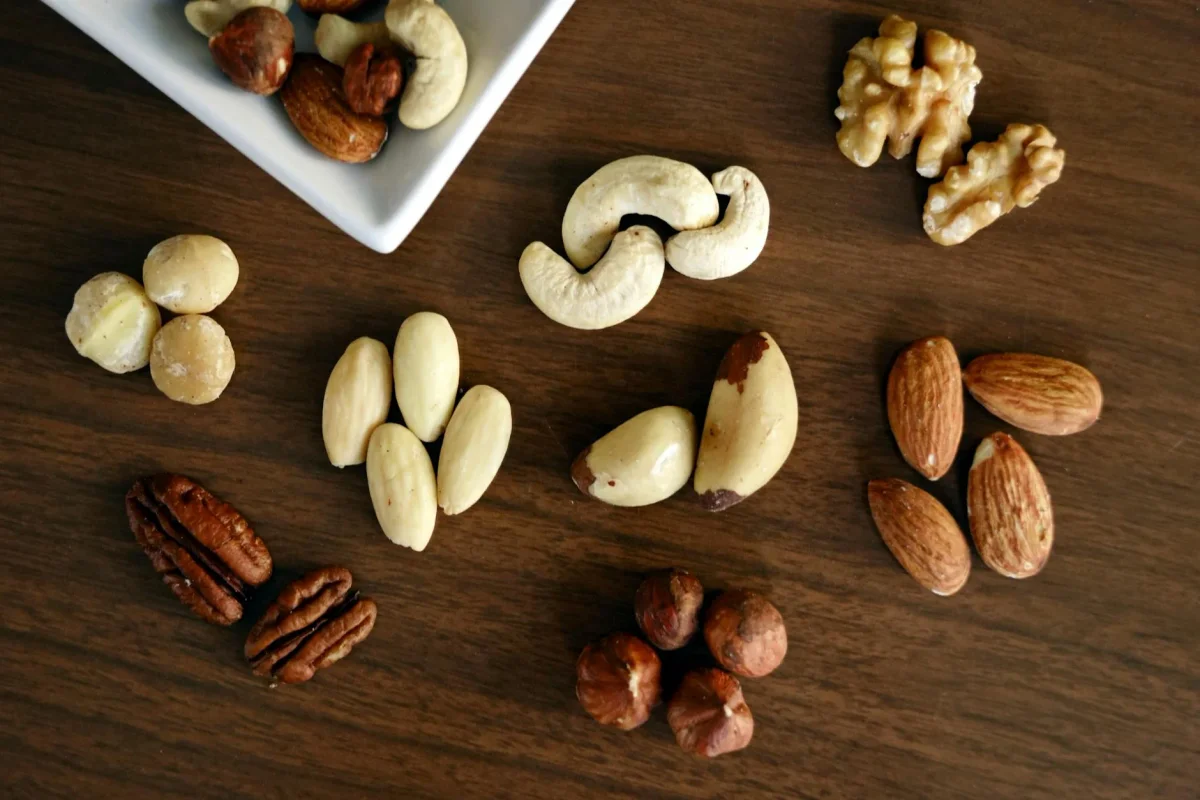
These are my secret weapons for texture. Rice flour has no gluten. None. It’s a silky powder that I use for dusting when I laminate dough for sfogliatelle or mille-foglie. Wheat flour can gum up the layers as you roll and fold; rice flour disappears, letting the butter and dough separate into a thousand crisp leaves. Almond flour? This is richness and moisture. In an amaretto, or in the filling of a frangipane, it’s not just a flavor: it’s the very body. It soaks up butter and eggs and creates a dense, moist, marzipan-like heart. It’s fat and protein, not starch. You don’t build structure with it; you build flavor and a tender, crumbly melt. Remember, these are team players. They almost never work alone. They’re there to modify, to soften, to add a specific note to the symphony.
So how do you choose? You don’t start with the recipe. You start with the vision.
Close your eyes. What are you trying to build? A cloud-like brioche that pulls apart in tender strands? That’s Manitoba, singing a duet with butter. A crumbly, sandy frolla that dissolves on the tongue with a hint of lemon? That’s a soft 00, handled with love. A crust that shatters dramatically, announcing the creamy ricotta within? That’s semolina, waiting for the fryer.
My grandfather, in his lab in Sanità, he had sacks of flour lined up not by name, but by feel. He’d plunge his hand in, let it run through his fingers, and he’d know. He taught me that the recipe is just a map. The flour is the land. You have to understand the terrain. Is it soft and yielding? Hard and mountainous? Sandy and dry? Your touch, your timing, your very rhythm must change with it.
So next time you bake, before you even measure a gram, take a pinch of your flour. Rub it between your thumb and finger. Taste it. Is it sweet? Is it earthy? Now you’re not just following instructions. You’re starting a conversation. And trust me, the dough will talk back. Sometimes, you just have to listen. And maybe, if it’s being stubborn, give it a little slap. TOTTÒ! Just like that. Now you’re baking.