7 min read · 1,438 words
The old fisherman told me to never eat mussels in months without an “r”. I was fifteen, and he was trying to scare me off a crate of cozze I was haggling over. It was August.
I bought them anyway. My father, back at the restaurant, didn’t bat an eye. He steamed them with white wine, garlic, and a handful of parsley. We ate them that night, and no one got sick. What the old man was really doing, I learned later, wasn’t protecting my health: he was protecting his prices. In August, the water is warm, the mussels are spawning, and they can get thin, milky, less meaty. He didn’t want me to taste a sub-par product and think that was all he had. He wanted me to come back in September, when they’re fat and sweet, and pay the premium. That was my first lesson: most rules about shellfish seasons aren’t about safety. They’re about quality, greed, or old wives’ tales that have outlived their purpose. And believing the wrong one can make you miss out on some of the best eating of the year, or worse, lead you to trust the wrong shellfish when you shouldn’t.
The biggest lie we tell ourselves is that a calendar tells us what’s safe. You’ll hear it everywhere: “Only eat oysters in R months.” It gets applied to mussels, clams, everything with a shell. The origin isn’t nonsense, before refrigeration, warm summer months meant shellfish spoiled faster after harvest. And yes, in some parts of the world, warm-water algal blooms (red tides) are a summer risk. But here, off our coast? With modern, regulated aquaculture and stringent testing? The calendar is a blunt instrument for a problem that needs a scalpel. Safety today is about provenance and handling, not the month on the wall. I buy vongole veraci from the Gulf of Gaeta year-round, but I only buy them from one guy, Franco, because I know his beds are in clean, fast-moving water and he ices them down the second they’re on the boat. If a batch fails a test, which happens: he doesn’t sell it. The month is irrelevant. The fisherman’s practice is everything.
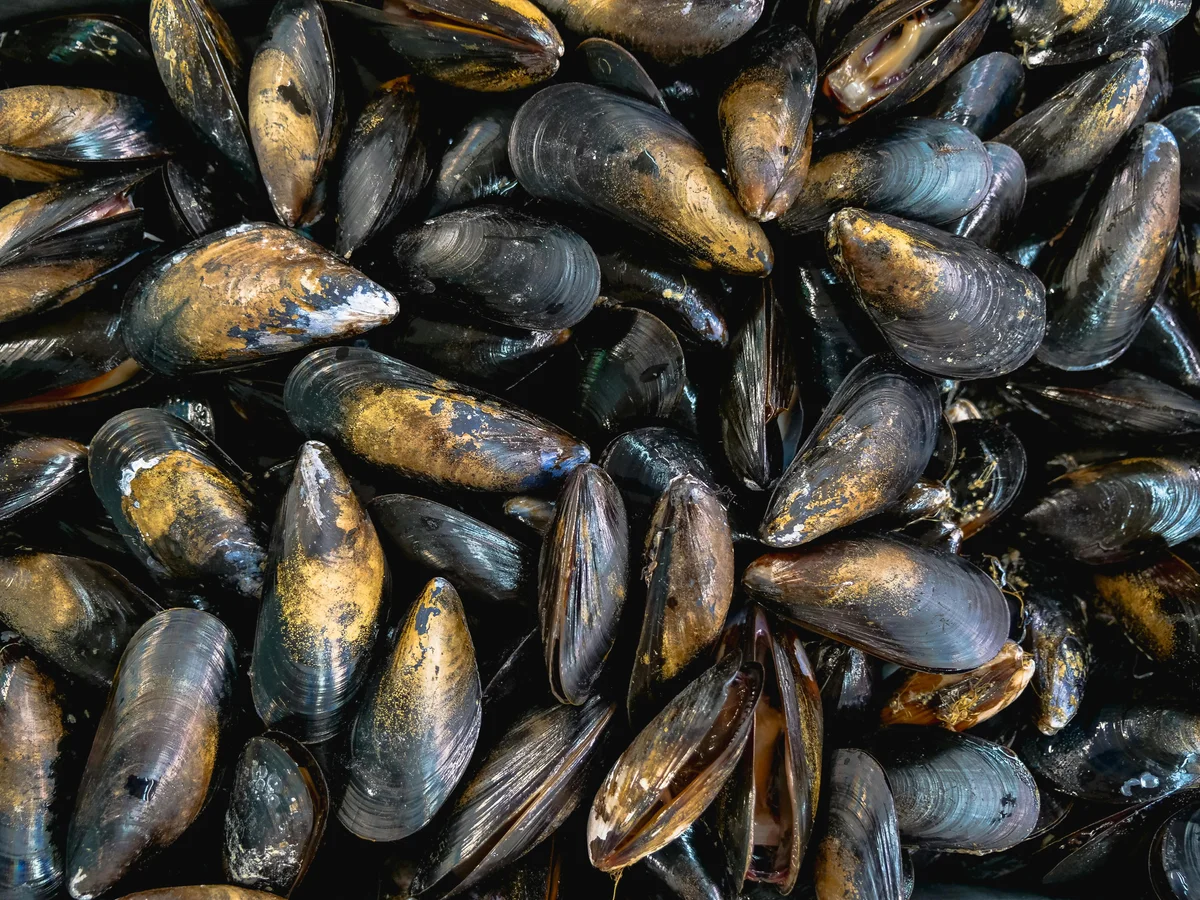
So, if the old “R month” rule is broken, what should you look for? You look for the same thing I look for at 5 AM. For mussels, they must be tightly closed, or if they’re gaping, they must snap shut with a firm tap. That’s the life in them. The shell should feel heavy for its size. A light shell is a thin, spent mussel. Forget about the beard, that gets cleaned later. Smell them. They should smell like the clean sea breeze, nothing more. A foul, ammonia-tinged smell is a hard pass, in January or July. For clams, like vongole or the smaller, sweeter lupini, it’s about activity. They should be retracted into their shells, not hanging out. Give the bag a shake, you should hear a solid clack-clack, not a dull thud. And sand? A little grit is normal, especially with wild-harvested ones, but excessive sand often means they were stressed before harvest, maybe pulled from a dying bed. A happy clam burrows in clean sand; a stressed one sits in its own mess.
The calendar is a blunt instrument for a problem that needs a scalpel.
This is where people get into trouble. They hear “summer mussels are bad,” so they avoid them. Then, in December, they see a cheap, pre-packaged net of mussels at the supermarket, see it’s an “R month,” and buy with confidence. Those mussels could have been out of the water for five days, languishing in a murky puddle of their own effluent in a cold case. The calendar gives false confidence. Your eyes, your nose, your hands: they don’t lie. I’d take a fresh, lively August mussel from a monitored Cetara raft over a lethargic, old December mussel from who-knows-where every single time. The August one might be a bit smaller, a bit less creamy, but it will taste of the sea. The December one will just taste of regret.
Then there’s the myth of the “full” moon, or the spawn. It’s true that bivalves like mussels and clams have reproductive cycles. When they spawn, they use up energy reserves. The meat can become softer, less plump, sometimes slightly milky in color. This is the grain of truth in the old fisherman’s warning. But to write off all shellfish during spawning time is to throw away the baby with the bathwater. First, not all beds spawn at the exact same time. Second, a spawned-out mussel isn’t dangerous: it’s just not at its premium best. And third, this is where knowing your source is king. My guy for totani and seppia, Enzo, also farms mussels. He knows his ropes. He’ll tell me, “Donato, this week they’re a bit quiet, save them for a soup or a risotto where texture matters less.” He’s not telling me not to buy; he’s telling me how to use them wisely. That’s the kind of relationship you need, not a lunar calendar.
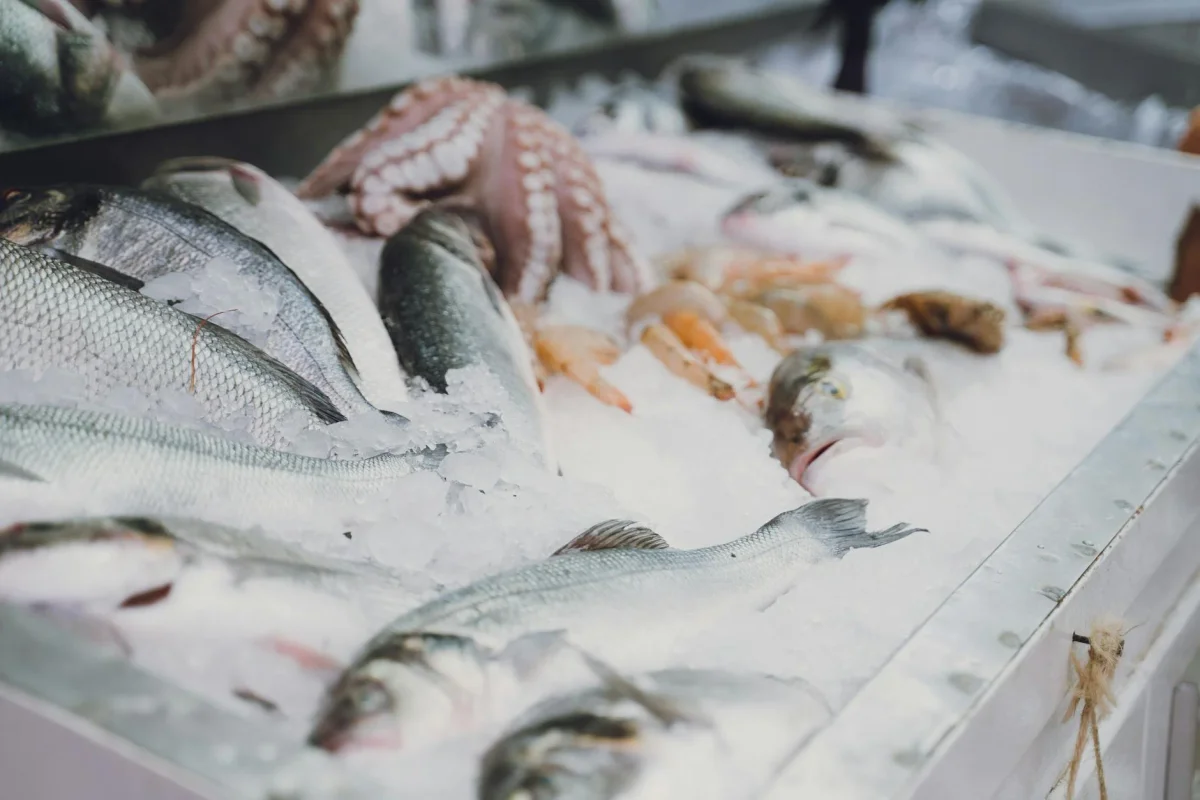
This leads to the most important correction of all: safe shellfish isn’t about a date, it’s about a decision chain. From the moment it’s pulled from the water, the clock is ticking. Was it iced immediately? Was it kept cold, but not frozen? Was it stored in a draining crate, not sitting in stagnant water? At the market, is it displayed on fresh ice, or is it sitting in a warm puddle? This chain is what breaks 99% of the time. I’ve seen beautiful clams ruined because a vendor left them in a sealed plastic bag in the sun for an hour. They suffocate, they die, and bacteria that were harmless become a problem. When you cook them, they stay shut or smell off. That’s not a season problem. That’s a handling problem. Your job, as the last link in that chain, is to buy last and cook first. Don’t let them sit in your fridge for two days. You buy them, you take them home, you cook them. That’s the non-negotiable rule that actually matters.
Your safety, and your pleasure, doesn’t live on a calendar.
And what about cooking? This is where respect comes in. If you need to drown them in strong flavors, you’ve already lost. For spaghetti alle vongole, it’s just garlic, a touch of chili, parsley, white wine, and the clams themselves. The liquor they release when they open is the sauce. If you feel the need to add lemon juice, cream, or a dozen other things, you’re trying to mask something. Maybe the clams weren’t vibrant enough. Maybe they weren’t as fresh as they should be. A truly fresh clam or mussel brings its own profound, briny sweetness to the party. You are just a facilitator. Steam them open, catch every drop of that nectar, and let it shine. It’s the same principle as with a perfect spigola: a bit of olive oil from Cilento, a slice of sfusato lemon, maybe some wild fennel. The ingredient is the star.
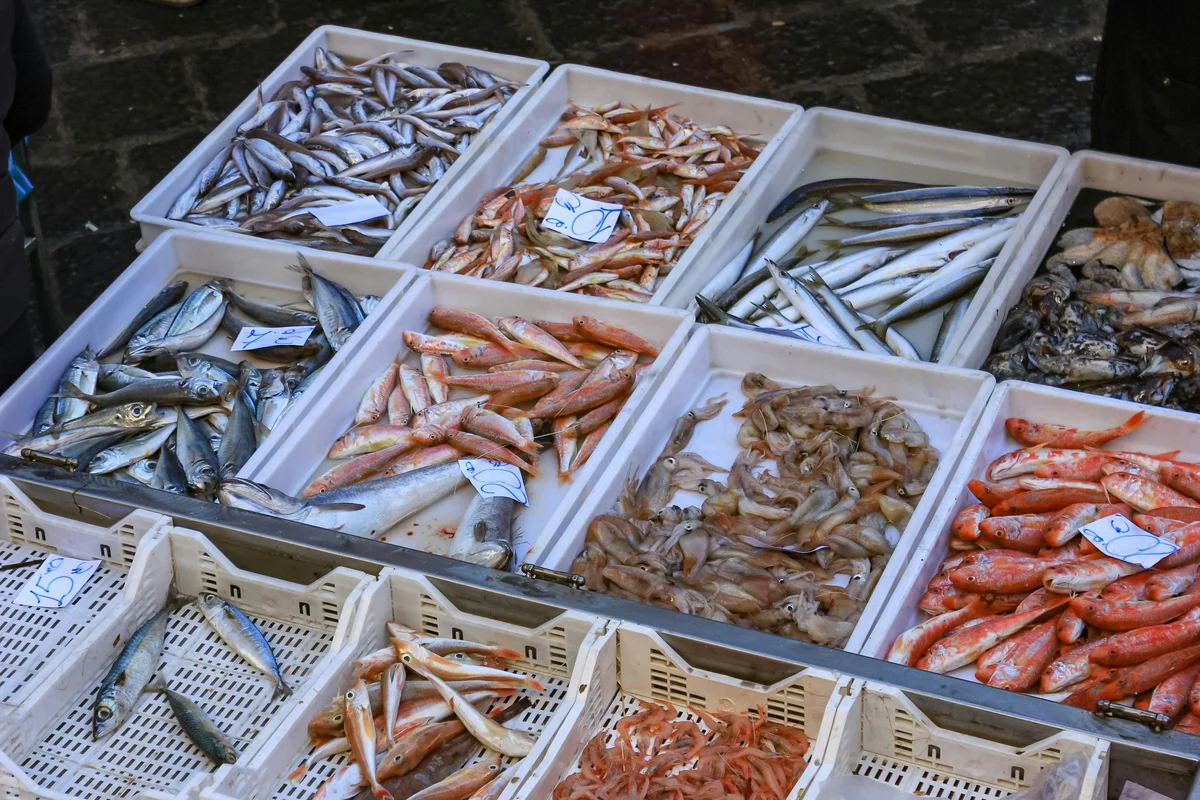
So here’s what I want you to do. Forget the rhymes. Go to the best fishmonger you can find, the one with the busy turnover. Look at the mussels. Are the shells dark, almost blue-black, and glossy? Good. Are there very few broken ones in the pile? Good. Ask when they came in. If they can’t or won’t tell you, be suspicious. Smell them. Then, buy just what you need for that night. Take them home, and if you’re not cooking them immediately, take them out of any plastic bag. Put them in a bowl, cover them with a damp cloth, and keep them in the coldest part of your fridge. Not in water, not in a sealed container. They need to breathe.
Before you cook, do one more check. Tap any open ones. Discard the ones that don’t close. Discard any with cracked shells. It’s not wastefulness. It’s prudence. This is the ritual. It’s faster than memorizing months. It works in May, it works in November. It’s how my aunt Lucia checks every single anchovy for her marinate, and she hasn’t made anyone sick in fifty years. She doesn’t know a thing about algal toxins, but she knows a bright eye and a firm fillet. That’s the inherited wisdom: it’s not a rule, it’s an action. Your safety, and your pleasure, doesn’t live on a calendar. It’s in the weight of the shell in your hand, the smell of the sea, and the decision to cook them simply, the same day you bring them home. That’s how you eat without fear, all year round.