9 min read · 1,868 words
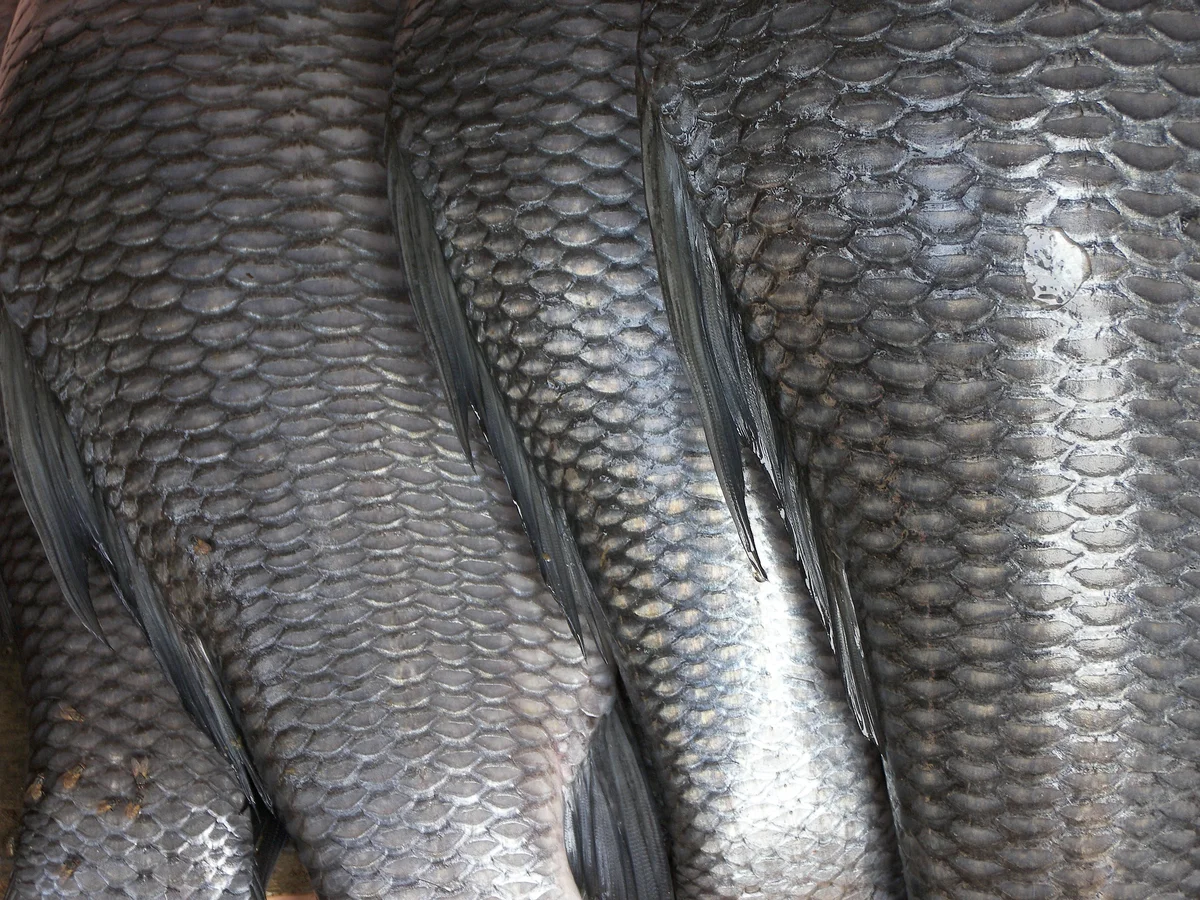
The paranza was late. Not the usual late, the kind where you have a second coffee and watch the gulls fight over scraps. This was a different quiet. A bad-weather quiet. When the small wooden boat finally nudged against the concrete quay in Marina di Cetara, the captain, Enzo, didn’t even shout. He just lifted the lid of the fish box and nodded at me. Inside, a dozen ricciola, amberjack, gleamed like polished silver ingots. Perfect. But it was the skin that told the real story. It was taut, slick with a perfect, unbroken coat of natural slime, the scales so tight and reflective they looked like chainmail. You could run your thumb against the grain and feel the resistance, a sound like a faint hiss. That skin wasn’t just packaging; it was a certificate of quality, a diary of a fast, healthy life in cold water. Enzo saw me looking. “È ancora viva, questa,” he said. It’s still alive, this one. He didn’t mean its heart was beating. He meant its spirit, its essence, was intact, held in by that perfect membrane. I bought every one. That night at the restaurant, we seared them skin-side down in a scorching pan until it crackled and crisped into a sheet of salty, umami gold. We served it with nothing but a wedge of sfusato lemon from Amalfi. The skin was the event. The flesh was the reward.
Most people see fish skin as a boundary, something to be crossed to get to the good part. They treat it like the plastic wrap on a package. They peel it off, discard it, and focus all their energy on the naked fillet, which they then proceed to murder with a dozen ingredients because it tastes of nothing. This is where the relationship goes wrong, before the pan is even hot. The decision to keep or remove the skin isn’t a minor prep step. It’s the first and most critical act of judgment in cooking a piece of fish. It dictates your heat, your timing, your seasoning, your entire approach. Get it wrong, and you fight the ingredient every step of the way. Get it right, and the fish cooks itself. This isn’t about rules. It’s about reading the fish in front of you. You need to learn its language. The skin is the first page.
Listen. The skin is a report card. It tells you everything you need to know before you ever think about a knife. My father taught me this when I was maybe sixteen, holding up two orate, gilthead seabream. One had skin that was cloudy, with patches where the scales looked loose, like old paint. The other was bright, metallic, the black stripe behind its gill sharp as a tattoo. “This one,” he said, pointing to the bright one, “you keep the skin on. You score it, you salt it, you let the heat hit it first. It will protect the flesh. This one,” he said, nodding to the cloudy one, “you take it off. The skin has nothing left to give. It will only steal.” He was talking about freshness, but also about structure. A fish with great skin is a fish that has been handled with respect from the boat to your board. That skin is still doing its job. It’s full of collagen and fat. When hit with intense, direct heat, it contracts, it crisps, it renders its own fat into the pan, and it forms a barrier that shields the delicate flesh from drying out. It’s nature’s perfect non-stick coating and flavor concentrator, all in one.
The decision to keep or remove the skin isn’t a minor prep step. It’s the first and most critical act of judgment in cooking a piece of fish.
But you have to be honest. I’ve seen cooks try to sear skin that’s already given up. It’s been sitting on ice too long, or it was bruised in the net. The slime is gone, the scales are lifting. That skin won’t crisp. It will wrinkle, turn leathery, and cling to the pan in a sad, sticky mess, steaming the fish instead of searing it. It becomes a wet blanket. This is the first decision point: Does the skin have structural integrity? Look at it. Touch it. It should feel firm, slightly resilient, not slimy in a foul way. The natural slime should be clear and viscous, not milky. If it passes that test, you’re in the territory of keeping it on. But you’re not done.
Now you have to think about the fish itself. Because not all good skin is created equal. Texture and thickness are your guides here. Take a branzino, European sea bass. Thin, delicate skin, fine scales. Perfect for high-heat searing. It crisps in minutes into a shattering, delicate wafer. Contrast that with a cernia, grouper. The skin is thicker, tougher, almost rubbery. You can sear it, but you’ll need more time, more patience. Sometimes, with the very thickest skins like on a large rombo chiodato, turbot, you score it deeply in a crosshatch pattern. This isn’t just for looks; it prevents the skin from curling violently in the pan and allows the heat to penetrate and render the fat beneath. Then there’s the salmon. People get religious about salmon skin. A wild-caught salmon, with its firm flesh and strong, silvery skin? Keep it on, always. But much of the salmon you see is farmed, and that skin can be a different beast: softer, fattier, sometimes with a grayish tinge underneath. It can still crisp beautifully, but you must be vigilant. Press it gently in the pan to ensure full contact. Render it slowly at first to get the fat out, then crank the heat for the final crisp. If you don’t, you get flabby, greasy skin, and no one wants that.
This is where most home cooks panic. They throw a fillet skin-side down into a pan that isn’t hot enough. The skin sticks, they panic, they try to move it, and it tears. They blame the fish. It’s not the fish. It’s the heat. A cold pan is skin’s worst enemy. You need a confident, steady heat. For a thin-skinned fish like triglia, red mullet, or a small sogliola, sole, that means a very hot pan, a brief cook, and the discipline to leave it alone until it releases on its own. You’ll see the edges curl and golden. You’ll see the opacity creep up the sides of the fillet. Then you slide your spatula under. It should release with a sound like paper tearing. If you fight it, you lose.
But what about when you remove it? This isn’t an admission of defeat. It’s a strategic choice. You remove the skin for two main reasons: because the skin is poor, or because the dish demands something else entirely. Let’s talk about the first. You bought a fish that’s decent but not stellar. The flesh is fine, but the skin is lackluster. Off it comes. You’re not trying to create a crispy textural contrast here; you’re aiming for pure, gentle cooking of the flesh. Think of a merluzzo, cod, poached gently in a acqua pazza with cherry tomatoes and olives. The skin would add nothing. It would just get soggy and unpleasant. In that case, skin-off is an act of editing. You’re simplifying the experience to highlight the sweet, flaky flesh.
Keeping the skin on isn’t just a cooking technique. It’s a philosophy of completeness.
The second reason is technique-driven. If you are going to cook a fish en papillote, or steam it whole with ginger and scallions, the skin can become a barrier to the flavors you’re trying to infuse. Sometimes, for a delicate crudo, you want the pure, unadulterated texture of the flesh. You take the skin off. But here’s the part most people miss, and it makes me crazy: they throw the skin away. This is a sin. Fish skin is flavor capital. Even mediocre skin has value. The absolute best thing you can do with skin you’ve removed is to fry it. Dry it thoroughly with paper towels, cut it into strips, dust it lightly with flour, and fry it in a shallow pan of olive oil until it bubbles and puffs into a crisp chip. Sprinkle it with salt. You now have a chef’s snack, or the most incredible garnish for a fish soup or a salad. It’s the essence of the sea, concentrated into a crackle. The other destination is the stockpot. Those skins, along with the heads and bones you were also going to throw away, are the foundation of a fish stock that has a depth and viscosity you simply cannot buy. The collagen in the skin is what gives body, a silky mouthfeel that turns a soup into a zuppa.
This brings me to the deeper philosophy, the one that took me years on the dock to understand. Keeping the skin on isn’t just a cooking technique. It’s a philosophy of completeness. It’s about respecting the entire animal. A fish is not a collection of disconnected fillets. It’s a system. The skin protects the flesh, the flesh is supported by the bones, and the bones and skin together create flavor. When you cook a whole fish, a orata baked in salt, a spigola grilled over vine cuttings, you are honoring that system. The skin acts as a natural roasting bag, trapping steam and juices, ensuring the flesh cooks evenly and stays impossibly moist. You serve it whole, you present it, and then you let people peel back the crisped skin to reveal the steaming, perfumed flesh beneath. It’s theatre. It’s respect. It’s also the easiest way to cook a fish perfectly, because the fish is literally cooking itself in its own perfect package.
I learned this lesson the hard way, not from a success, but from a waste. Early on, I’d bought a beautiful tonnetto, little tunny, a fish with dark, robust flesh and thick skin. I was showing off for a girlfriend, trying to be fancy. I carefully removed the skin, thinking it was too strong, and pan-seared the fillets. They were fine. But later, cleaning up, I looked at the pile of beautiful, silver-and-black striped skins I’d discarded. On a whim, I fried one piece. The flavor that erupted, intense, oceanic, deeply savory, completely overshadowed the mild fillet I’d served. I’d prioritized the wrong part. I’d removed the engine and tried to race with just the chassis. I never made that mistake again. Now, with a fish like that, I’d sear it skin-on until it’s crackling, and maybe even serve a few extra fried skins on the side. That’s the lesson. The skin isn’t a byproduct. It’s often the best part.
So tomorrow, at the market or the fish counter, don’t just look at the flesh. Look at the skin. Talk to it. Is it bright and tight? Keep it. You have a partner in the pan. Is it tired and slack? Remove it, but with purpose. Save it. Transform it. Let that decision guide everything that follows. Because when you understand the skin, you stop cooking just fish. You start cooking the whole story of the catch, from the cold morning water to the hot pan. And that story, I promise you, always tastes better. It tastes true. Just ask Enzo’s ricciola.