8 min read · 1,572 words
The fisherman’s hands were chapped red from the winter wind, salt crusted under his nails. He held up a crate of totani, small squid, just pulled from the Tyrrhenian that morning. The eyes were still jet black and clear, the skin a perfect, shimmering membrane. “Freschissimi, Donato,” he said, and he was right. They were magnificent. I bought them all. Then he pointed to another crate, already on ice. “These came in yesterday. Also fresh.” I looked. The eyes had started to cloud, a milky haze just at the edges. The price was the same. I shook my head. “Troppo tempo sul ghiaccio, Paolo,” I told him. Too long on the ice. That’s the problem no one talks about. “Fresh” isn’t a binary switch. It’s a clock that starts ticking the second the fish leaves the water. And sometimes, that clock has already run out by the time it reaches your market counter, while a block of frozen fish in the next aisle over is still waiting for its first tick.
We’ve been trained to believe that “fresh” is the only word that matters. It’s a spell, a marketing incantation that makes us hand over more money and ignore the evidence of our own senses. I’ve watched chefs at the Salerno port pay a premium for “fresh” branzino that’s been slowly degrading on a trawler for three days, its flesh softening, its flavor fading, while they turn their nose up at a vacuum-sealed fillet that was flash-frozen at sea six hours after it was caught. They’re buying a story, not a product. My job for twenty years hasn’t just been to buy fish. It’s been to stop the clock, or at least to know exactly what time it is. And I’m here to tell you that the freezer, used right, is one of the best tools we have for that.
The “Fresh” Fish You’re Actually Buying
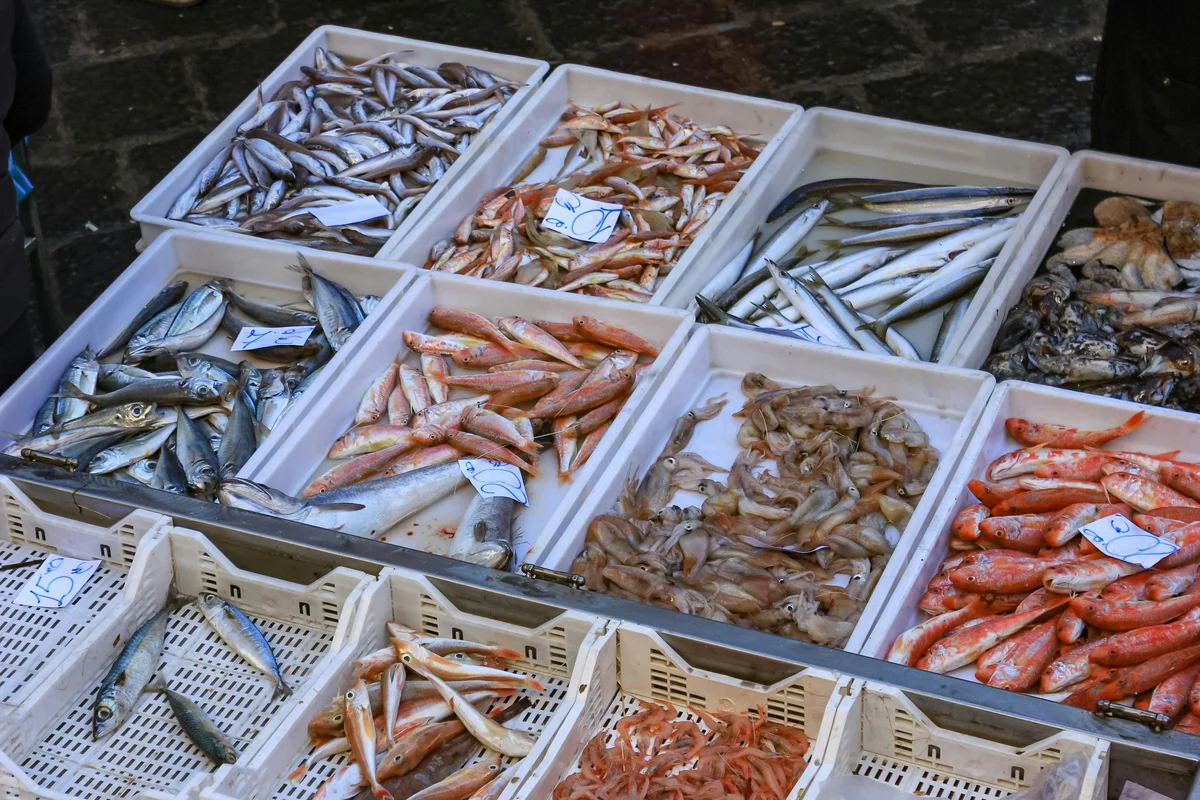
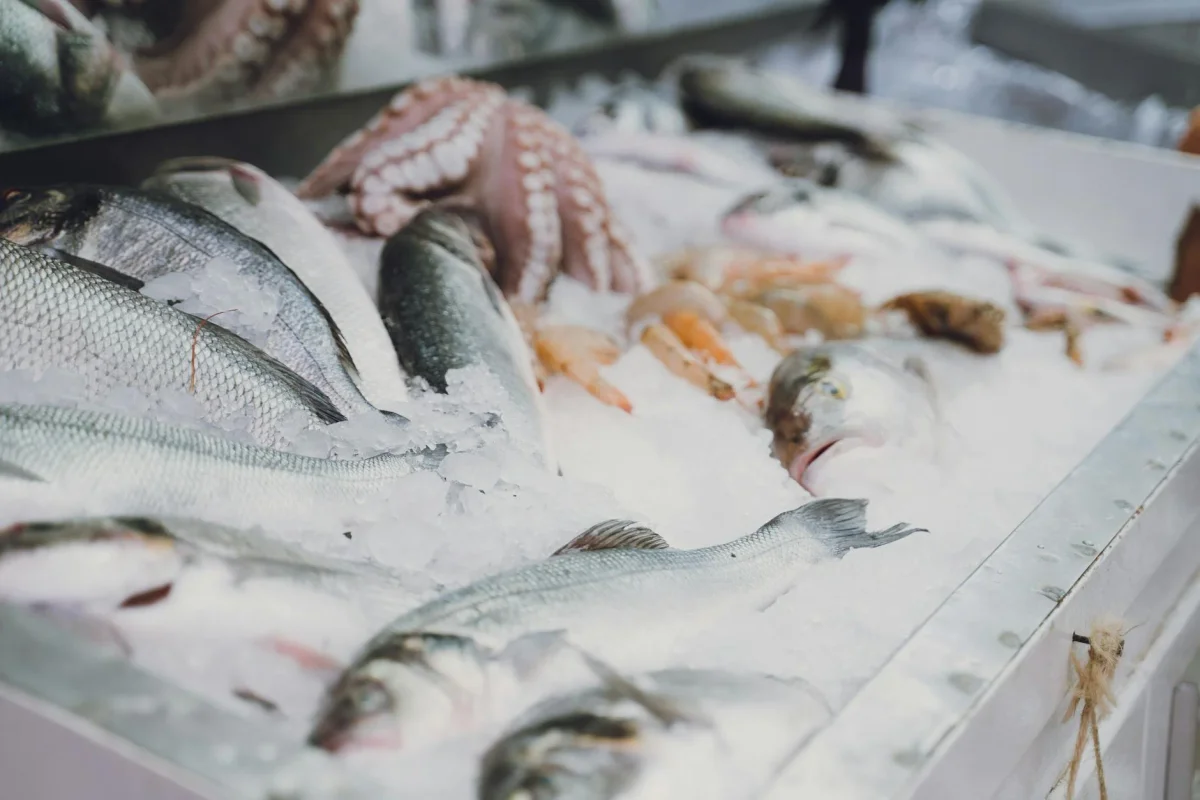
Let’s be clear about what “fresh” means in most shops and supermarkets. Unless you are standing at the dock when the boat comes in, or you have a relationship with a fishmonger who does that for you, “fresh” almost never means “just caught.” It means “never frozen.” That’s it. That fish could have been on a boat for a week, on ice that’s slowly melting and leaching flavor, then in a distributor’s truck, then on a display bed for two more days. Every hour on that journey, it’s deteriorating. Enzymes are breaking down the flesh. Bacteria, even at near-freezing temperatures, are having a party. The clock is ticking.
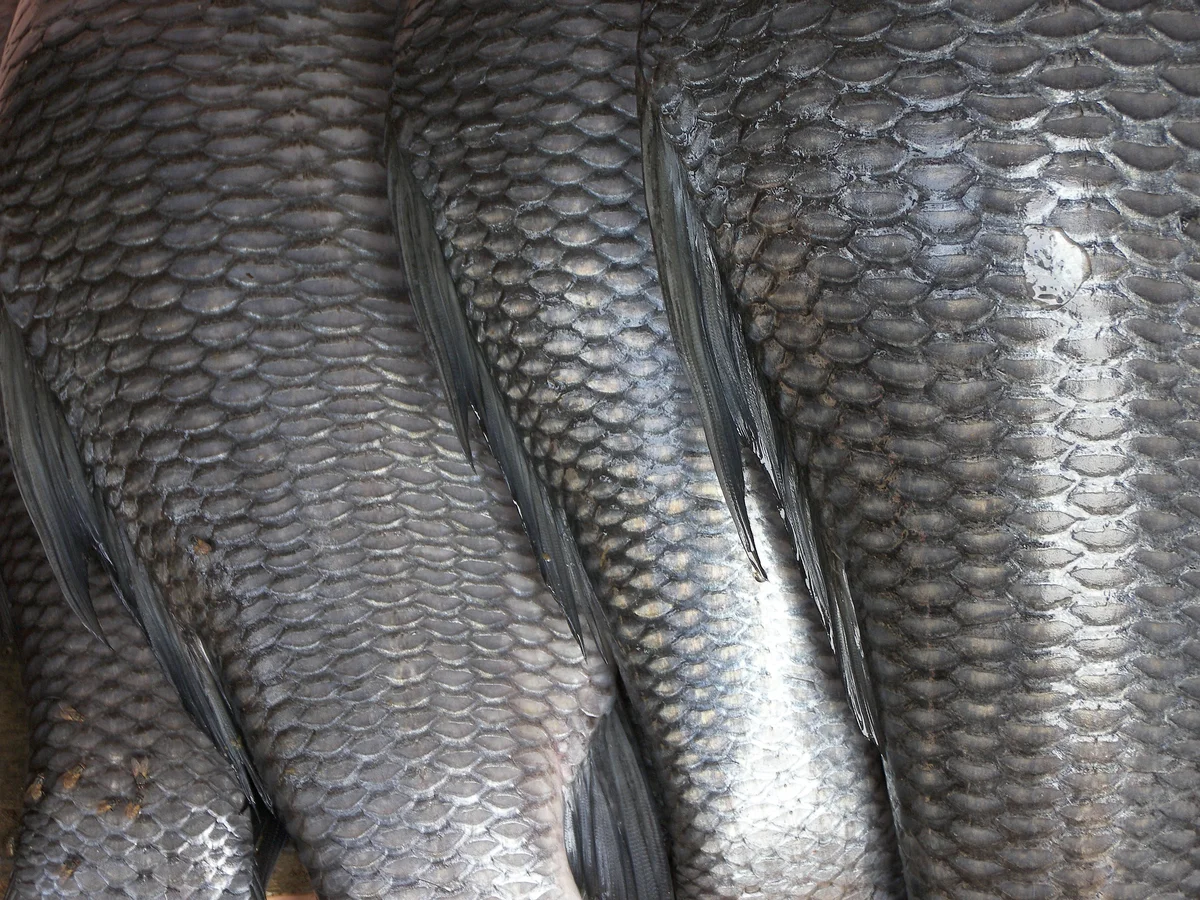
I judge with my eyes, my hands, and my nose. The eyes must be convex, full, and clear as glass. Sunken or cloudy eyes? The clock is ahead. The gills should be a vibrant red or deep pink, wet and clean. Brown, slimy gills? Time’s up. The skin should be bright, metallic, tightly adhered to the flesh, with scales that don’t come off in your hand. The smell is the final judge: it should be of clean seawater and cucumber, a fresh, briny scent. Any hint of ammonia, any sourness, means the processes of decay have won. You can’t cook that out.
This is where most people get ripped off. They see a whole fish on ice and think they’ve won. But I got taught a lesson early. I was maybe nineteen, buying orata for a big weekend service. The fish looked good from a distance, but when I pressed the flesh, my finger left an indent that filled back slowly, too slowly. The skin had lost its spring. I bought it anyway, convinced by the price. That night in the kitchen, the flesh was mushy. It fell apart on the grill. My father didn’t yell. He just pointed at the bin. “That’s money for the cats, Donato. You paid for fresh and bought old.” I never made that mistake again. The scam isn’t always malice; often, it’s just a chain of custody where no one wants to be the one to say a fish is past its prime.
So when should you buy fresh? When you can verify its journey. When you’re cooking it that day, or the next at the absolute latest. For simple, pristine preparations, crudo, carpaccio, grilled whole with just oil and lemon, there is no substitute for a truly fresh, just-off-the-boat fish. It’s a luxury and a privilege. For everything else? You need to understand the other option.
We’ve been trained to believe that “fresh” is the only word that matters. It’s a spell, a marketing incantation that makes us hand over more money and ignore the evidence of our own senses.
The Frozen Fish You Should Be Buying
The word “frozen” has been ruined by bad practices. We think of freezer-burnt blocks of anonymous white fillets, spongy and flavorless. That is not what I’m talking about. I’m talking about IQF, Individually Quick Frozen, fish, processed within hours of the catch. This is the game-changer.
Here’s how it works on a good boat: The fish is caught, bled immediately (crucial for clean flavor and texture), gutted, and washed in seawater. Then it’s flash-frozen at ultra-low temperatures, sometimes down to -40°C. This happens so fast that the ice crystals that form inside the flesh are tiny. Tiny crystals don’t rupture the cell walls of the fish. When you thaw it slowly and correctly, the moisture stays in the cells, not on your plate. The texture remains firm, the flavor locked in. The clock, effectively, stops at hour six instead of hour six hundred.
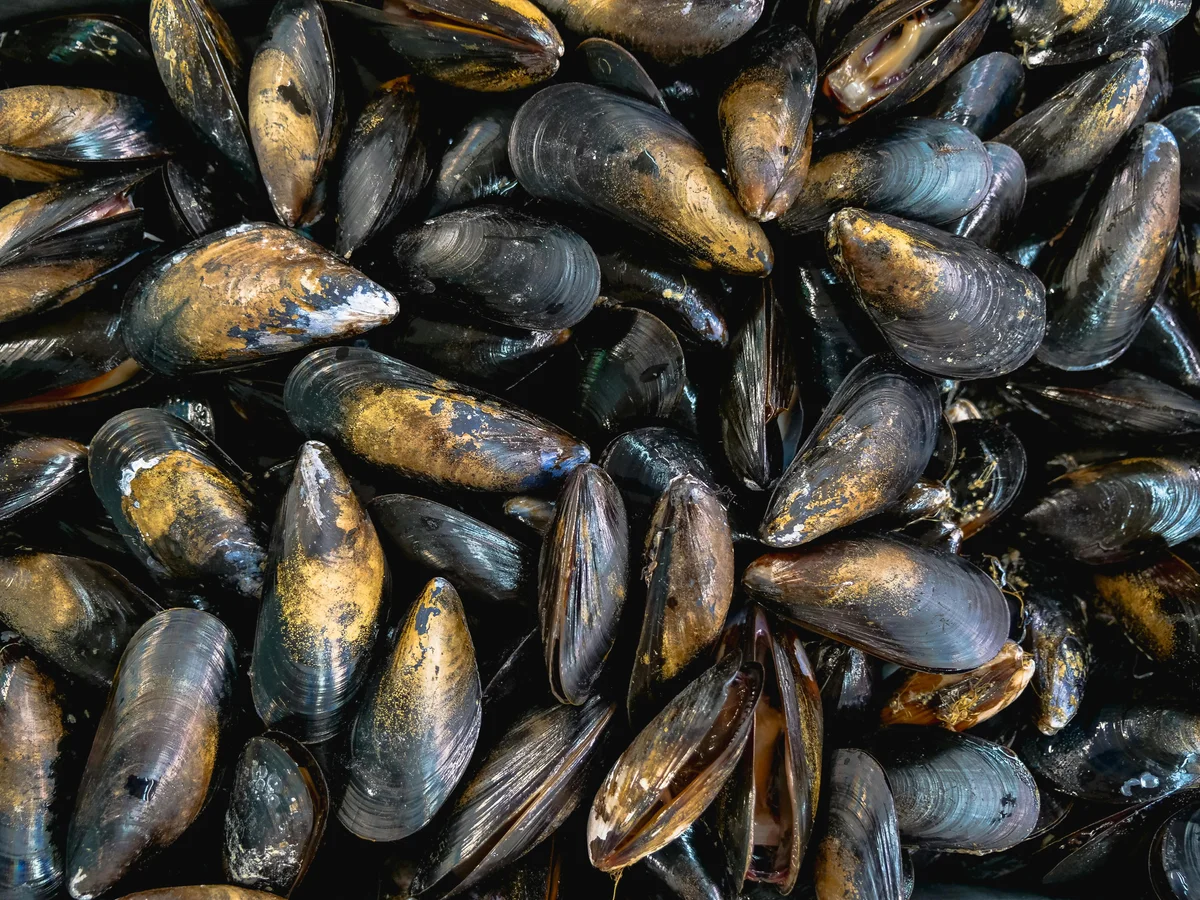
I use frozen fish at Pescorante without hesitation for specific things. Mussels and clams? Often better frozen, because they’re processed alive at peak freshness, and I don’t have to worry about them dying in a tank. For certain soups, stews, and braises, like a zuppa di pesce or a cioppino, where the fish is going to be cooked through and its flavor melds into the broth, a high-quality frozen product is not just acceptable, it’s smart. The complexity of the dish comes from the soffritto, the tomato, the wine, the shellfish. A perfect frozen hake fillet or monkfish tail works beautifully.
The key is in the buying. Look for the words “flash-frozen at sea” or “individually quick frozen (IQF).” Avoid packages with lots of frost or ice crystals inside: that’s a sign of temperature fluctuation and freezer burn. The packaging should be tight, with no air pockets. And for the love of the sea, thaw it slowly in the refrigerator overnight. Never under running water and never, ever at room temperature. You’ve preserved it perfectly only to ruin it at the last second.
The biggest waste isn’t always throwing fish away. It’s wasting the opportunity to eat well because you’re afraid of the wrong word.
Which One for Your Kitchen?
This isn’t about choosing a side. It’s about choosing the right tool. Stop thinking “fresh vs. frozen” and start thinking “purpose and timeline.”
Choose FRESH when:
- You can source it from a trusted fishmonger who moves volume.
- You are cooking it within 24 hours.
- The dish is about the naked, unadulterated taste and texture of the fish itself. Think: whole grilled sea bream, anchovies marinated in colatura and lemon, tuna crudo.
- You need the bones and head for a fumetto: a quick, delicate fish stock. The fresher the bones, the cleaner and sweeter the broth.
Choose FROZEN (high-quality IQF) when:
- You are landlocked or your local market’s “fresh” counter is a question mark.
- You need convenience without sacrificing all quality for a weeknight meal.
- The fish will be an integral part of a complex sauce or stew. That frozen cod in your baccalà mantecato is going to be whipped with oil into a cloud: its pristine, fresh-caught texture is less critical than its lack of degradation.
- You’re buying specific, sustainably managed species that are often frozen at sea, like Alaskan salmon or certain deep-water catches.
Let me give you a concrete example from my own kitchen at home, not the restaurant. On a Tuesday, I want spaghetti alle vongole. I’m not going to the port. I keep a bag of IQF Manila clams from a reputable source in my freezer. I thaw them overnight. They open perfectly in the pan with white wine and garlic, their liquor is sweet and briny, and they make a Tuesday dinner feel like a Sunday on the coast. Are they as sublime as the clams I get from the molluschicoltore in the Gulf of Gaeta? No. But they are infinitely better than the “fresh” clams sitting lethargically in a tank of chlorinated water at the supermarket, which might not open at all and taste of nothing.
The biggest waste isn’t always throwing fish away. It’s wasting the opportunity to eat well because you’re afraid of the wrong word. My grandfather’s old ice locker in the original fish shop wasn’t there for show; it was there to preserve the catch, to extend the clock just a little so someone could enjoy a taste of the sea on a Thursday. The principle is the same, the technology is just better.
So next time you’re at the market, ignore the mantra. Don’t just reach for what says “fresh.” Look at the fish. If the eyes are cloudy, walk away. Then go to the freezer aisle. Find the bag that says “flash-frozen at sea.” Put it in your cart without guilt. You’re not settling. You’re making a smart buy. You’re stopping the clock. And when you thaw it slowly, sear it simply in a pan with a little oil from Cilento, and finish it with a squeeze of sfusato lemon, you’ll understand. Respect isn’t about a label. It’s about what ends up on the plate.