8 min read · 1,644 words
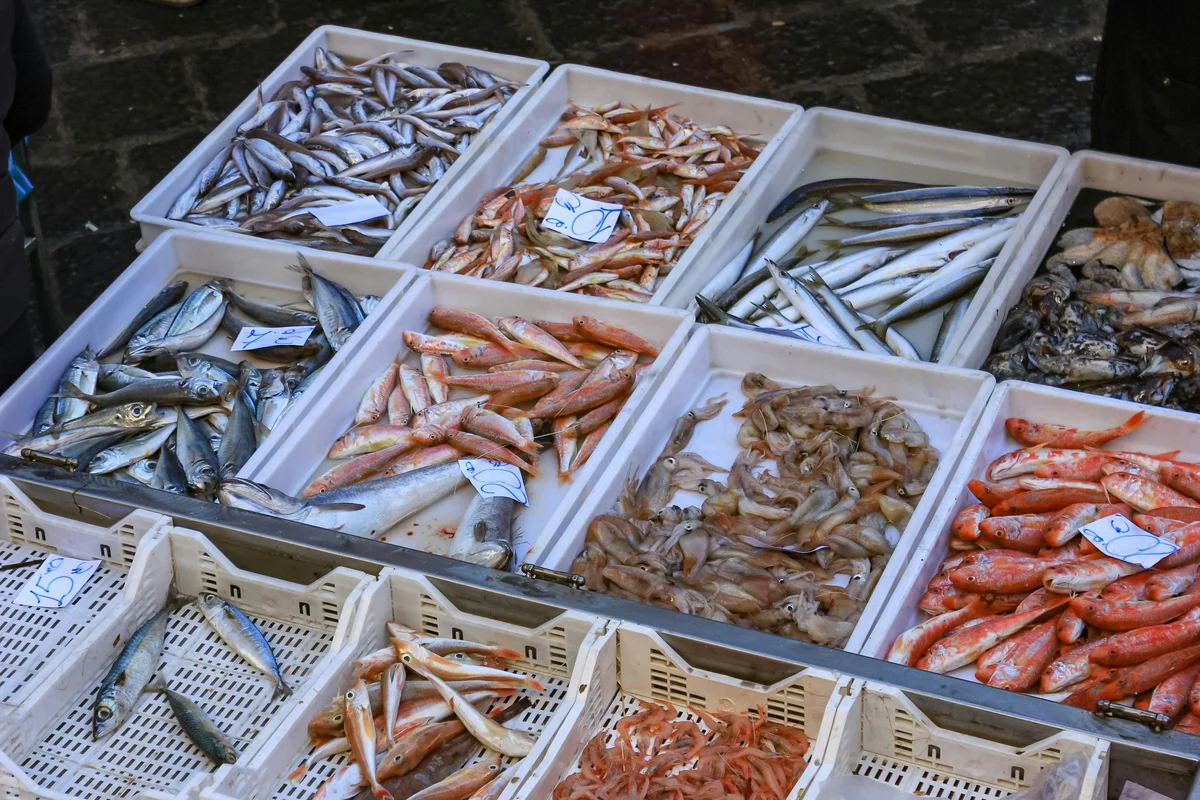
The worst question you can ask me at the port is “What’s good today?” It tells me you don’t know how to look. I watched a chef from a fancy place in Milano do it last spring, pointing at a crate of orata without getting his hands wet. The captain, an old friend of mine named Enzo, just shrugged and named a price that was twenty percent higher than what he’d quoted me an hour before. The chef paid it. The fish was fine, but it wasn’t that fine. He bought the idea of freshness, not the fact of it. He’ll go back to his kitchen and tell his staff they’re serving premium fish, and the cycle continues. The real question isn’t on the surface. It’s in the gills, the eyes, the firmness of the flesh under your thumb. It’s knowing that “good” isn’t a single ingredient. It’s a category of fish that behave a certain way, that ask for a certain kind of respect in the pan. That’s what you need to learn. Not a list, but a way of seeing.
It’s Not About the Species, It’s About the Flesh
Forget the names for a minute. Before you decide between branzino and orata, you need to decide between firm and flaky, between lean and rich. This is the only system that matters, because it tells you how to cook. I don’t care what the fish is called in six languages; I care about what its flesh will do when it hits heat. This is how I buy, and it’s how you should think.
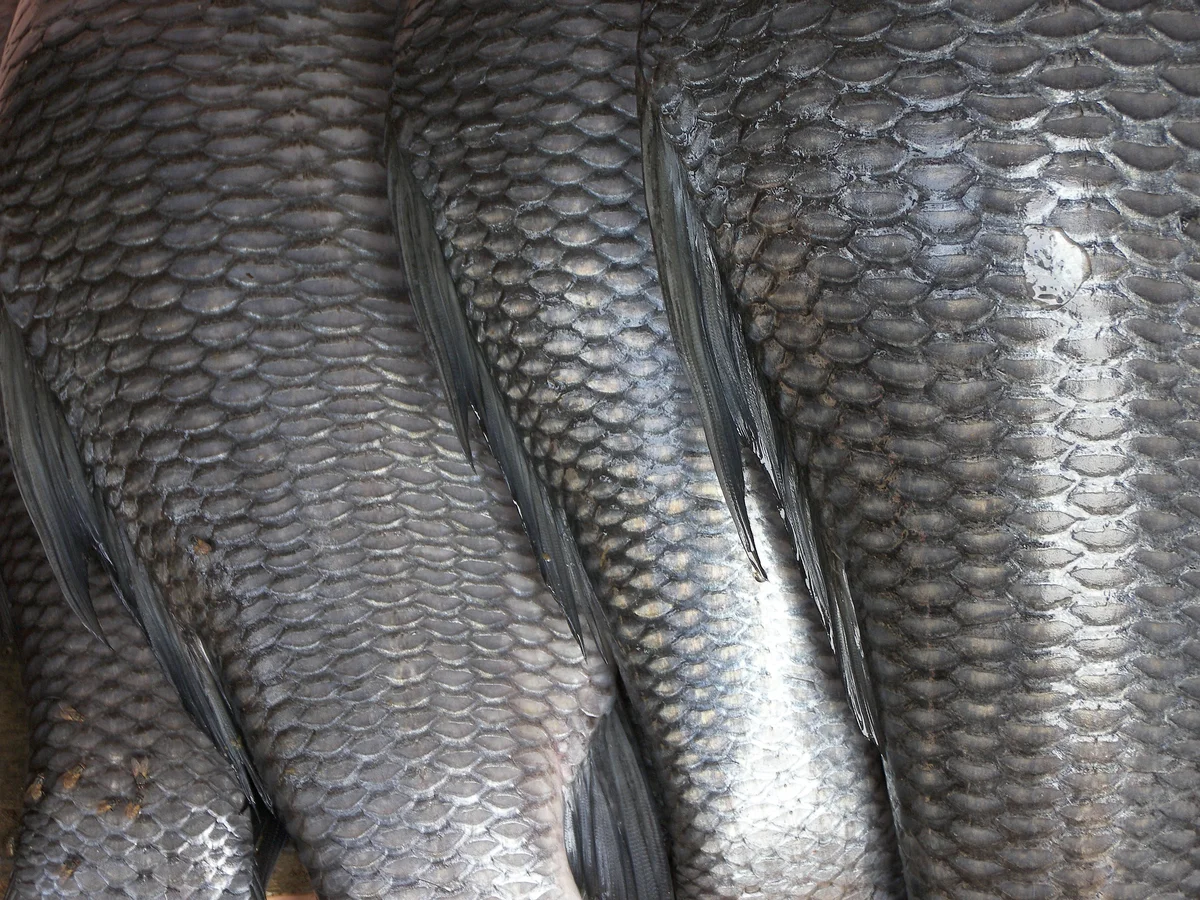
The first category is the firm, white-fleshed swimmers. These are the fish built for constant motion in current. Their flesh is dense, clean, and holds its shape. When you press a fillet of a truly fresh one, it should spring back like a firm mattress. There’s no give. Branzino is the prince here, but it’s not alone. Orata (gilthead seabream) belongs firmly in this camp: its flesh is even a bit denser, with a distinctive, sweet nuttiness from the herbivorous diet. Spigola (that’s branzino, sea bass) is leaner, more delicate in flavor but just as firm in texture. Pesce San Pietro (John Dory) is the ultimate test: bizarre looking, but flesh so firm and white it’s like the filet mignon of the sea. These are your fish for the grill, for the cartoccio (in parchment), for salt-crusting. They can take direct, high heat and stay intact. You don’t need to baby them. A mistake I see? People poaching a branzino fillet. You’re treating a marathon runner like an invalid. You’ll turn that beautiful, firm flesh to mush. Grill it. Roast it whole. Let the skin get crisp. That’s what the texture is for.
Then you have the tender, flaky varieties. These fish often live closer to the bottom, or aren’t built for long, strenuous swims. Their flesh is more delicate, with larger flakes that separate easily. Sogliola (sole) is the textbook example: so tender it practically dissolves if you look at it wrong. Rombo (turbot) is richer, but still flaky. Triglia (red mullet) is somewhere in between, but its flesh is soft and sweet. These fish demand gentleness. You cook them with a light touch: a quick pan-sear in butter, a gentle poach in a brothy acquapazza, a fast roast with just oil and herbs. The goal is to just set the protein, to let those delicate flakes form. Overcook them by a minute, and you have dry, stringy threads. They’re forgiving in flavor but brutal in texture. You don’t grill a sole fillet. You’ll be chasing it through the grates with a fork.
This system saves you. See a beautiful, iridescent mackerel (sgombro) at the market? It’s not white-fleshed, it’s oily and rich. That tells you everything: it’s fantastic grilled or cured, but it won’t behave like an orata. Knowing the category tells you how to treat it before you’ve even learned its name.
“Good” isn’t a single ingredient. It’s a category of fish that behave a certain way, that ask for a certain kind of respect in the pan.
Why “Fresh” Is a Useless Word
Everyone wants “fresh” fish. I want fish that was alive yesterday. There’s a difference, and it’s measured in eyes, gills, and smell. This is not poetry. It’s procurement. I got burned once, early on, buying a crate of what looked like perfect alici from a guy I didn’t know. The color was right. But when I got them back to the restaurant, the smell in the box was just a little too sweet, not the clean, sharp smell of the sea. I’d already paid. We cooked them that night, and the flavor was flat, muted. Not spoiled, just… dead. Not alive yesterday. My father didn’t say a word. He just looked at me, and I knew. That was the last time I bought with my eyes only.
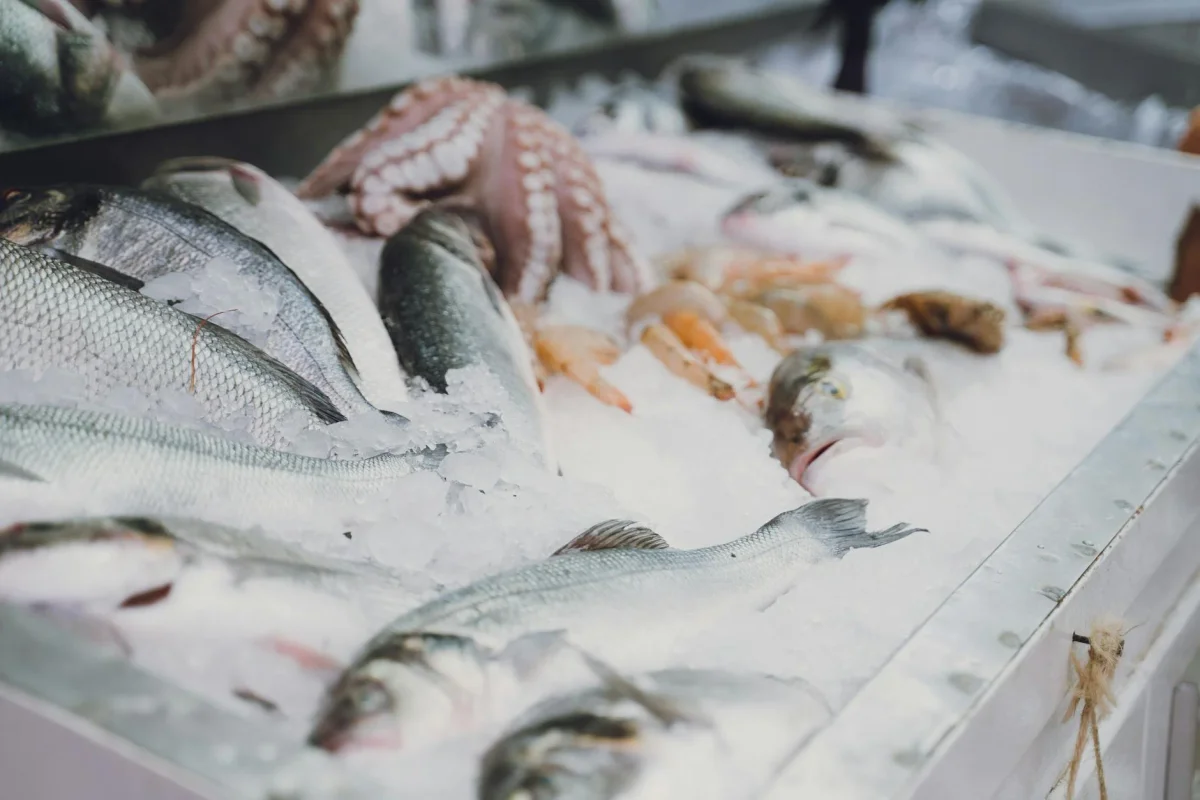
Your checks are simple, and they work on any fish, firm or flaky. First, look at the eyes. They should be convex, black, and clear, like shiny marbles. Sunken, cloudy, or gray eyes? That fish has been on a long, sad journey. Next, lift the gill flap. This frightens people. Do it. The gills should be a vivid, bloody red, like a deep wine. If they’re brown, purple, or slimy gray, walk away. Finally, smell it. It should smell like the sea breeze and clean seaweed. Not fishy. Not ammonia. Not “seafood.” Like a clean ocean rockpool. A faint, sweet smell is the first sign of decay.
And let’s kill a sacred cow: flash-frozen at sea is often better than “fresh.” I buy frozen tuna loins, frozen swordfish, frozen sardines for marinating. Why? Because a tuna caught off the Costa degli Dei, bled immediately, and frozen at -40°C on the boat is in a state of suspended animation. The “fresh” tuna at the supermarket counter? It was likely thawed days ago from a block and is now slowly degrading under the lights. For species that deteriorate fast or travel long distances, frozen is not the enemy. Bad handling is the enemy. I’d take a perfectly frozen pesce spada over a dubious “fresh” one any Tuesday.
Don’t go to the market dreaming of orata if the branzino is gleaming and the orata looks tired. Let the day’s catch decide.
Matching the Fish to the Fire (and the Sauce)
Now you can bring the names back, because you know what they mean. Let’s talk about the ones you actually find. This is where the system pays for your dinner.
For the grill or wood oven, you want the firm-fleshed category. Branzino (Spigola) is the classic for a reason. Scale it, score it, stuff the cavity with fennel fronds and lemon slices, rub it with oil and coarse salt. The skin will blister and crisp, the flesh will steam gently inside, staying moist. Orata can handle even more: its thicker skin and denser flesh stand up to the fierce heat of a wood fire beautifully. I love it with just rosemary and sliced potatoes underneath. Pesce San Pietro, if you’re lucky enough to find it whole, is sublime grilled. Its firmness means no sticking, no falling apart. These fish don’t need a sauce to hide behind. A drizzle of our Colatura di Alici from Cetara or some good Cilento olive oil and a squeeze of sfusato lemon is a finish, not a cover-up.
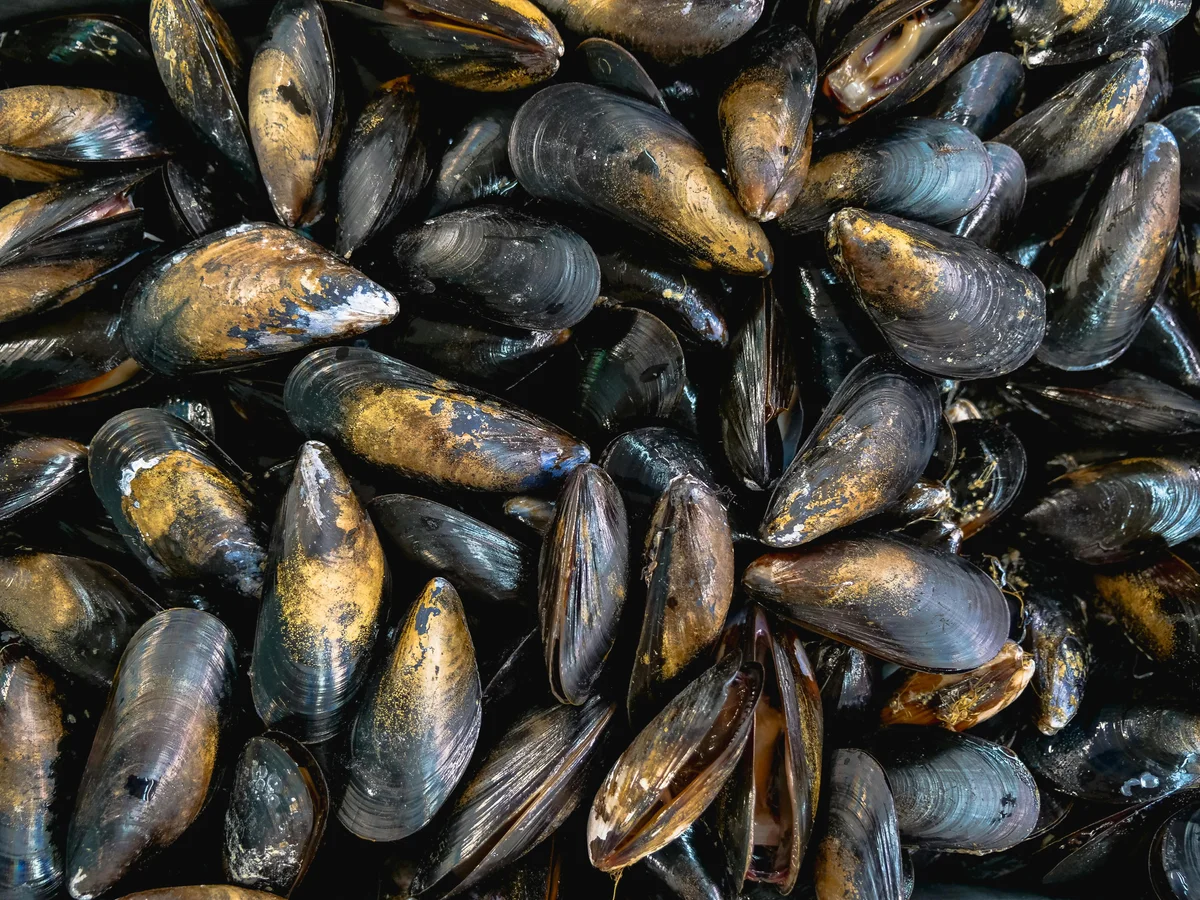
For the pan or a gentle roast, think of the tender category and the smaller firm fish. A whole triglia (red mullet) pan-fried in butter until its skin is crackling is a religious experience. Sogliola alla mugnaia (dust it in flour, pan-fry in butter) is a masterclass in simplicity. But here’s a new angle: even a firm fish like a small orata can be cooked in liquid. The key is gentle, low heat. An acquapazza, literally “crazy water” with tomatoes, garlic, parsley, and a bit of white wine, is perfect for a whole fish you want to serve with its juices. The flesh steams and poaches, staying tender, and you get a sauce built right in. This is where you use those Cetara anchovies or mussels and clams to build the broth.
And the sauce? It should come from the fish itself. The head and bones of any fish you fillet go straight into the pot with a splash of wine, an onion, a carrot. That’s your fumetto, your fish stock. That’s the base for a risotto, for a soup, for a more complex sauce. Throwing those away is like throwing money and flavor directly into the bin. A branzino frame makes a delicate, sweet stock. A grongo (conger eel) bone makes a stock so gelatinous and rich it’s like liquid velvet for a zuppa di pesce. The fish tells you what sauce it needs, if it needs one at all.
Buy the Fish, Not the Fantasy
So, which should you buy? The one that passes the eye-gill-smell test, and fits the way you want to cook. Don’t go to the market dreaming of orata if the branzino is gleaming and the orata looks tired. Let the day’s catch decide. The best meal I’ve had this month was an accident: I went for totani, but Enzo had just landed a batch of small mazzancolle (prawns) and some perfect cannolicchi (razor clams). The plan changed. We grilled the prawns with just salt, and steamed the clams with white wine and a mountain of parsley. It was perfect because it was true.
That’s the takeaway. It’s not memorizing names. It’s learning to see the two categories in the ice, to trust your senses over the label, and to have the confidence to cook what you find with the respect it earned in the water. Start with that. The names, branzino, orata, sogliola, they’ll come. And you’ll know what to do with them, not because a recipe told you, but because you finally learned how to look. Now, go find a fish with clear eyes. I’ll be at the port at dawn if you need me.