
8 min read · 1,515 words
You know the shuffle. You’re in the aisle, one hand on a bottle of iron tablets promising “high absorption,” the other scrolling your phone past a reel about spinach smoothies for “iron-rich energy.” You’re tired, properly, bone-deep tired, and you’re trying to connect the dots between the dry science and the shouting marketing. I’ve been there, literally. I spent six months in my early twenties convinced my fatigue was overtraining, doubling down on sessions while living on chicken, broccoli, and brown rice. My mate Sam, a GP now in Bondi, took one look at me during a visit home and said, “Mate, you’re the colour of my nan’s wallpaper. Let’s get a blood test.” Turns out, you can eat like a textbook and still run yourself into the ground if you’re missing a key piece of the puzzle. For me, it was iron. Not because I wasn’t eating it, but because I didn’t understand the two very different doors it uses to get into your body.
That’s the thing they never tell you in the gymfluencer posts about “iron-rich foods.” They treat iron like a single ingredient, a monolithic mineral you just need to “get more of.” It’s not. It’s a story of two types with different rules, different sources, and a whole lot of nutritional baggage that gets glossed over for a sexy headline. And if you’re trying to navigate this while eating more plants, or just trying to feel less like you’re running on three hours of sleep after eight, you need the real map, not the tourist brochure.
Heme Iron
Think of heme iron as the VIP with the backstage pass. It’s found exclusively in animal flesh: the haemoglobin and myoglobin in your steak, your chicken thigh, the sardines you should be eating more of. Its chemical structure, bound within a porphyrin ring, is basically a golden ticket for absorption. Your gut recognises it, ushers it right through a specific transporter, and doesn’t ask too many questions. The bioavailability sits at a comfortable 15-35%, and it’s barely bothered by other things you eat with it.
This is the iron your body understands innately. It’s why you’ll hear old-school PTs and blokes at the pub swear by a rump steak to “build the blood.” They’re not entirely wrong. When I was digging myself out of that deficiency, a few carefully timed serves of red meat were part of the clinical strategy from my dietitian. It’s efficient. But treating heme as the only legitimate source is where the logic fails, and it alienates anyone who’s cutting back on meat for whatever reason: budget, ethics, sustainability, or just because they feel better.
The culinary reasoning here is simple: respect the source, don’t incinerate it. Heme iron is robust, but cooking a beautiful cut of grass-fed beef into a grey, tough slab doesn’t just ruin the texture; high, prolonged heat can degrade those iron-containing compounds. A quick sear for a steak, a slow braise for a cheaper cut like cheek where the iron leaches into the broth: that’s using the ingredient with intelligence. Pair it with something acidic like a squeeze of lemon or a red wine reduction. It’s not for the iron’s sake (heme doesn’t need the help), but the acid cuts through the richness and makes the whole meal more digestible, which matters more than any micronutrient hack.
You can eat like a textbook and still run yourself into the ground if you’re missing a key piece of the puzzle.
Non-Heme Iron
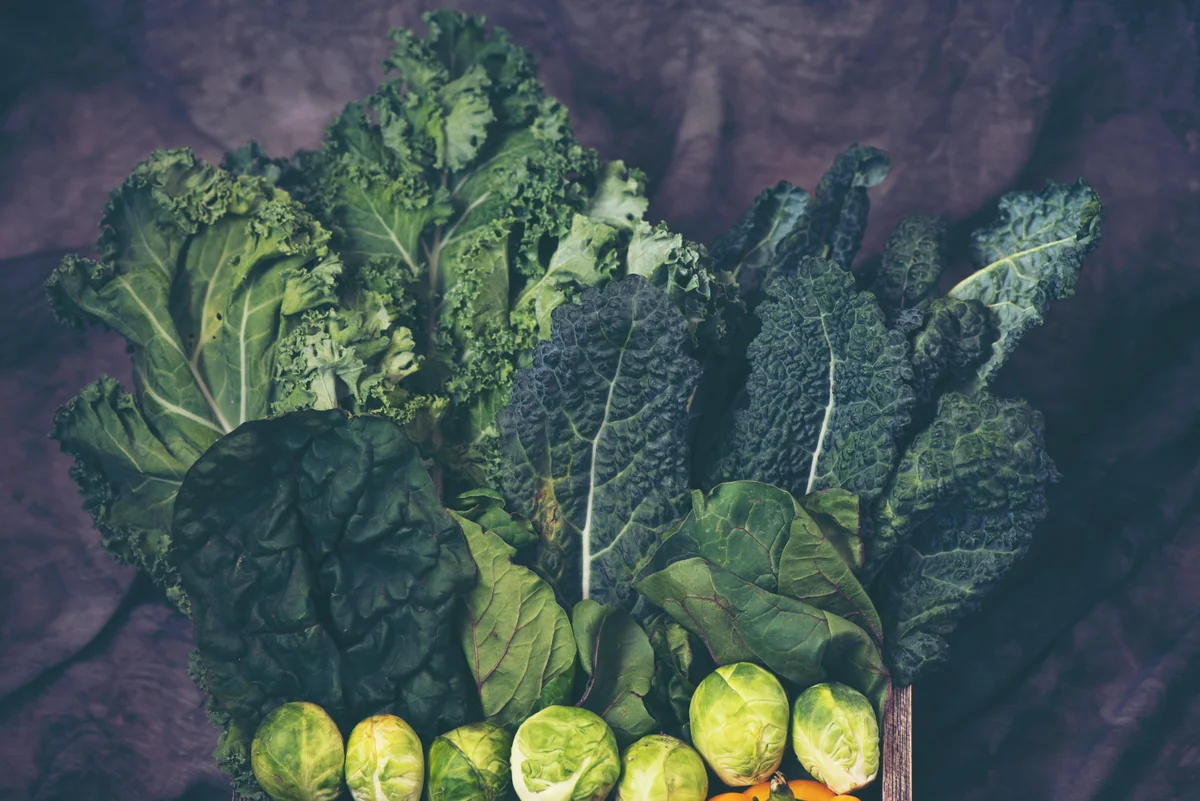
This is the queue everyone else is in. Non-heme iron is in everything else: your lentils, your tofu, your fortified cereal, your kale, and yes, your spinach. It’s the democratic form of iron, available to all dietary patterns. But democracy is messy. Its absorption rate is lower, typically 2-20%, and it’s wildly sensitive to the company it keeps. It’s like a sensitive friend who’s brilliant one-on-one but gets quiet in a loud crowd.
This is where most people, especially those exploring plant-based eating, get tripped up. They hear “spinach is high in iron!” and think job done. But they’re not told about the bouncers at the door. Phytates in wholegrains and legumes, polyphenols in tea and coffee, and calcium can all bind to non-heme iron and temporarily block its absorption. This isn’t a reason to avoid these foods, they’re incredibly healthy, it’s a reason to be strategic.
The actionable culinary insight is all in the timing and the pairing. This is where my sysadmin dad’s love of system optimisation meets my mum’s practical nursing sense. You don’t need a spreadsheet, just a bit of sense.
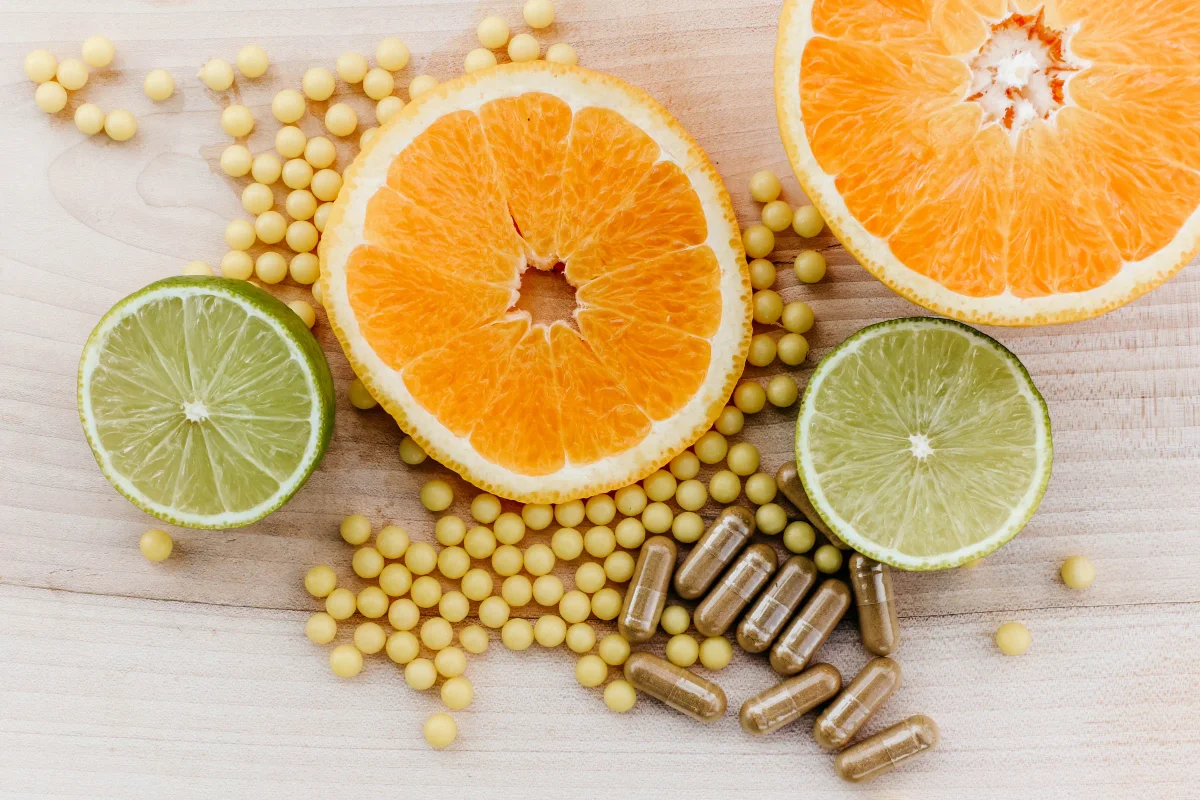
- Deploy Vitamin C as your wingman. It’s the ultimate facilitator for non-heme iron. A squeeze of lemon juice over your lentil dhal, some chopped capsicum in your tofu scramble, a handful of strawberries with your fortified oats. The ascorbic acid creates a soluble, absorbable complex, essentially escorting the iron through the gut wall.
- Time your tannins. That morning cup of tea or coffee? Have it before or well after your iron-rich meal, not during. I train my City clients to have their flat white as a mid-morning break, not with their breakfast porridge.
- Soak and sprout. For legumes and grains, a good soak reduces phytate levels. It’s not voodoo. It’s basic food prep that our grandparents did without thinking.
The Supplement Siren Call
When the food-first approach isn’t cutting it, maybe you’ve got a confirmed deficiency, you’re pregnant, or you’re a high-level athlete, supplements enter the chat. And what a noisy, confusing chat it is. Ferrous sulfate, ferrous bisglycinate, “gentle” iron, “blood builder” complexes. Having sorted through this for clients for seven years, I can tell you the marketing is often louder than the evidence.
Don’t just chase iron. Chase absorption.
The biggest decision point here isn’t brand. It’s form and timing. Ferrous sulfate is the classic, cheap, and effective, but it’s the one most likely to cause gut griping and constipation. Ferrous bisglycinate is a chelated form, often better tolerated but pricier. My rule, born of making clients miserable with the wrong pick: start low, go slow, and always take it with a source of vitamin C (orange juice, a kiwi fruit) on an empty stomach if you can tolerate it. If it wrecks your gut, take it with a small meal, but know you’re sacrificing some absorption for comfort.
And for God’s sake, store it safely. I had a client, a brilliant but exhausted start-up founder, whose toddler got into her “berry-flavoured” iron gummies. That was a terrifying trip to A&E no one needs. Treat them like medication, because in high doses, they are.
Popeye’s Decimal Point
Right, let’s gut this one. The “spinach is full of iron” myth is the perfect case study in how a scientific error and a good story become unshakeable “common knowledge.” Back in the 1870s, a German chemist put a decimal point in the wrong place, publishing spinach’s iron content as ten times higher than it is. By the time it was corrected, Popeye had cemented the idea in the 1930s. The myth persists because it’s a great story.
But here’s the twist that nobody questions: even if the iron content were that high, spinach is a terrible source of usable iron on its own. It’s packed with oxalates, which bind to the iron and make it largely unavailable. Eating a giant spinach salad for iron is like putting a premium fuel in a car with a locked petrol cap. You’re not getting it in.
This doesn’t make spinach bad. It’s a brilliant source of folate, vitamin K, and fibre. I eat it constantly. But you have to be clever. Cooking it breaks down some of the oxalates and shrinks the volume, so you can eat more. And, you guessed it, pairing it with vitamin C is non-negotiable. A warm spinach salad with chickpeas (non-heme iron) and a lemon-tahini dressing (vitamin C from lemon, plus healthy fats) is a complete nutritional package. That’s the thinking. Respect the ingredient for what it is, not for the superhero myth it can’t live up to.
So, what’s the takeaway? Don’t just chase iron. Chase absorption. Whether it’s a seared piece of lamb with mint sauce or a bowl of three-bean chili with a side of slaw, your job is to build the meal with intent. Think about the facilitators and the inhibitors. And if you’re that person doing the supplement aisle shuffle, tired and confused, maybe start with a blood test and a hard look at what’s on your plate, not what’s in the bottle. My golden retriever, Veggo, gets his heme iron from his beef. I get mine from a mix: eggs, the occasional steak, and a lot of strategically paired plants. It’s not about dogma. It’s about building a system that works, so you can stop feeling like you’re running on empty and get back to the stuff that actually matters.