
8 min read · 1,570 words
Right, so you’ve gone plant-based. You’ve nailed the oat milk in your coffee, your tofu scramble is finally not a crime against breakfast, and you’ve learned that nutritional yeast is not, in fact, fish food. You’re feeling righteous. Then, some well-meaning soul, usually your mum or a bloke at the gym who still thinks protein comes exclusively from chickens, asks the question. “But… where do you get your calcium?” And for a second, you freeze. Your mind races past the almond milk carton you bought because it was on sale, and lands squarely on a mental image of your future self, brittle and hunched, crumbling into dust. I’ve seen that look on clients’ faces more times than I’ve seen someone misuse a squat rack.
Let me stop you right there. That panic is exactly what the dairy marketing board wants, and it’s what keeps the “wellness” grifters in business selling you coral calcium harvested under a full moon or whatever. The truth is, building and maintaining strong bones on a vegan diet isn’t about finding a magical one-to-one swap for cow’s milk. It’s about ditching that singular, marketing-driven fixation and learning a simple, far more powerful concept: calcium synergy. It’s the culinary and nutritional equivalent of a well-coached team: no one player does all the work, but together, they’re unbeatable. My job, after seven years of pulling finance bros away from their fifth espresso and reminding startuppers that kale exists, is to show you how to build that team in your kitchen. Because I’ve made the mistake of thinking it was just about hitting a number, and my clients have paid for it with stress they didn’t need.
The first thing we need to bin is the idea of the “hero ingredient.” You know the one. The social media post that declares, “ONE CUP OF THIS SEED HAS MORE CALCIUM THAN A GLASS OF MILK!” and the comments section explodes. It’s usually something like unhulled sesame seeds or chia seeds. And technically, per 100 grams, they’re not wrong. But who in the name of Steve Irwin is sitting down to eat 100 grams of dry sesame seeds? You’d need jaws of steel and a stomach lined with teflon. This is where pure, decontextualised nutrition data becomes worse than useless: it becomes actively misleading. It’s the same logic that leads people to believe they can get their daily iron from a teaspoon of dried parsley. It’s teaching swimming on land.
The real work happens in the bioavailability battleground: a fancy word for “how much of this stuff your body can actually grab and use.” This is where plant-based calcium gets its tricky reputation, and where most people, even seasoned vegans, get the strategy backwards. They focus on the source and forget the context. Many plants contain compounds like oxalates and phytates, which are basically little molecular magnets that bind to minerals like calcium and iron, whisking them through your system before you can absorb them. Spinach is the classic example of this betrayal. Packed with calcium on paper, but so high in oxalates that you absorb a piddling amount. It’s a brilliant source of other things, but as a calcium source? Useless. Don’t @ me.
Building and maintaining strong bones on a vegan diet isn’t about finding a magical one-to-one swap for cow’s milk.
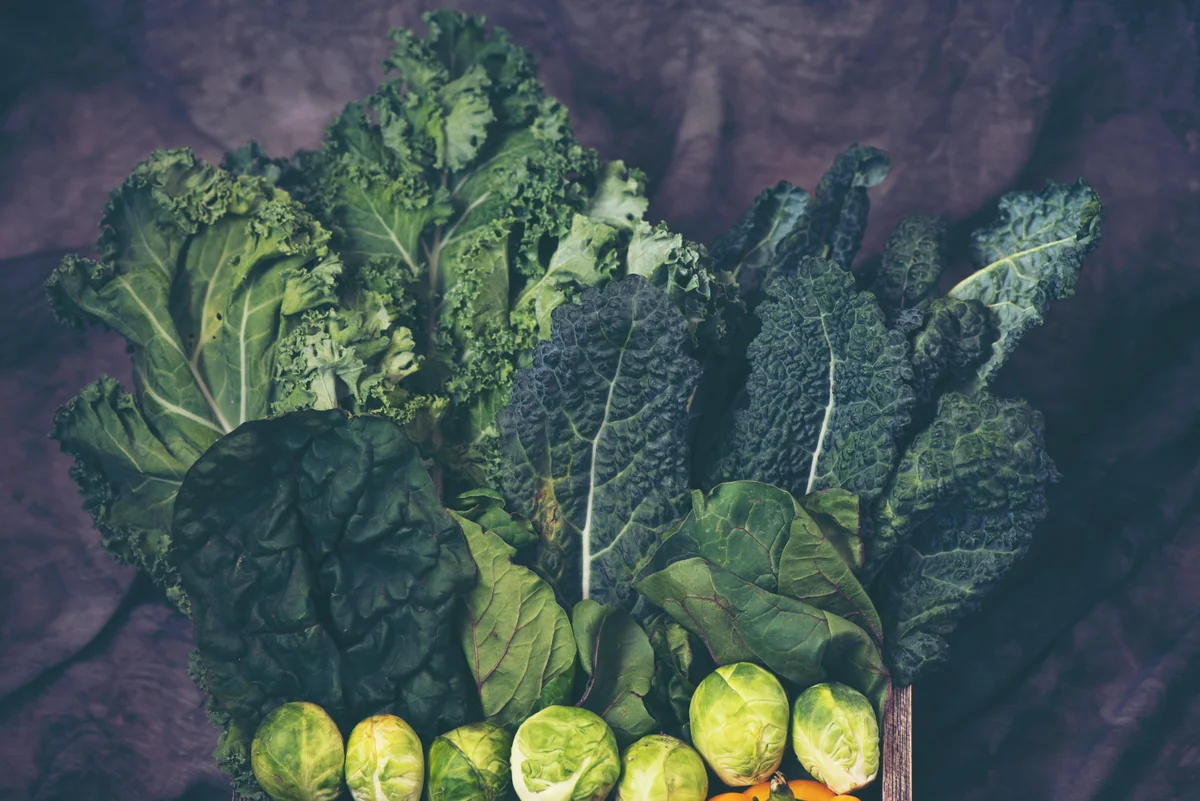
So, if we can’t rely on the “hero,” we build the supporting cast. This is the core of calcium synergy. You’re not looking for one ingredient to carry the load; you’re designing a daily eating pattern where multiple, smart sources work together, and where you actively manage those absorption blockers. It starts with choosing your calcium-rich plants wisely. You want the low-oxalate, low-phytate team players. Think bok choy, pak choi, kale, broccoli, spring greens, fortified plant milks, and set tofu (that’s tofu made with calcium sulphate, check the label). These are your reliable defenders. They show up, do their job without much drama, and play well with others.
Now, here’s the tactical shift that changed everything for my clients, and one I learned the hard way after a period of obsessive, numbers-only tracking that left me exhausted: You orchestrate absorption, you don’t just count milligrams. The most powerful player on your calcium synergy team isn’t even a calcium source itself. It’s Vitamin D. Without adequate D, your body’s ability to absorb calcium from any source, dairy or plant, plummets. In the UK, where we see the sun about as often as we see a polite debate on Twitter, this is non-negotiable. From October to March, a supplement is basically a public health requirement. But even in summer, if you’re office-bound in Shoreditch or the City, you’re likely not making enough. Getting your levels checked isn’t wellness woo. It’s basic maintenance, like getting an MOT for your skeleton.
The other key playmaker is managing the antagonists. You don’t need to eliminate phytates, they have health benefits too, you just need to outsmart them. Soaking, fermenting, sprouting, and cooking all help reduce their mineral-grabbing power. That tin of chickpeas you’re rinsing? You’re already improving the bioavailability of everything in them. My mum, the nurse from Stevenage, never knew the science, but her instinct was perfect: she’d always soak our lentils overnight. She called it “taking the wind out of them.” She was also taking the phytate out of them. Smart woman.
This is where the theory meets the frying pan, and where most guides fall flat. They give you a list of “calcium-rich foods” and call it a day. But knowing that tahini has calcium is meaningless if you only use a teaspoon once a month. The culinary reasoning is everything. How do you make these ingredients habitual, delicious, and abundant without thinking about it?
You design meals where the calcium is baked into the architecture, not sprinkled on as an afterthought. Let’s talk about my fridge. I always have three types of tofu: silken for sauces and desserts, firm for scrambling, and extra-firm for baking and frying. The firm and extra-firm, if they’re set with calcium sulphate, are absolute calcium powerhouses. A 150g block can provide over half your daily target. But no one wants to eat plain baked tofu every day. So you integrate it. You crumble firm tofu with turmeric, black salt, and a splash of fortified plant milk for a scramble that’s become my post-golden-retriever-walk staple. You cube extra-firm, toss it in cornflour and spices, and air-fry it until crispy to go into a massive stir-fry with bok choy and broccoli: that’s a calcium synergy hat-trick right there, on your plate in 15 minutes.
Your skeleton isn’t keeping a daily tally. It’s looking at the quarterly reports.
My freezer is sixty percent edamame and frozen dumplings from Gerrard Street for a reason. Those edamame beans? Brilliant source. I’ll blitz a handful into a pesto with fortified plant milk, basil, and garlic, toss it through wholewheat pasta. Calcium, protein, and flavour in one hit. The fortified plant milk is doing the quiet heavy lifting. You’re not drinking it by the glass (though you can), you’re cooking with it. It goes in your porridge made with oats you’ve soaked overnight (phytate management!), in your mashed potatoes, in your curries and soups. You’re layering it in.
And the tahini in my pantry? It’s not just for hummus. Its rich, bitter depth is a sauce and dressing wizard. A dressing of tahini, lemon juice, garlic, and a bit of water thinned out makes any pile of steamed greens or roasted cauliflower irresistible. You’re adding flavour, creaminess, and a serious calcium bump. You’re solving the “how do I eat more greens” problem and the calcium problem in one delicious, lazy swoop. This is the opposite of restrictive diet maths. It’s about abundance and smart, flavour-first engineering.
The final, and most Leopold, piece of this puzzle is calling out the distracting noise. While you’re building this synergistic plate, the wellness industry is trying to sell you a shortcut. You’ll see “calcium-rich” algae supplements, bone broth powders for vegans (make that make sense), and all manner of fortified junk food. The superfood marketing machine wants you to believe the answer is in an expensive, exotic dust. I love a good acai bowl as much as the next lad, but I’d bet you a fiver it won’t fix your sleep or your bones.
The real “hack” is profoundly unsexy: consistency with whole foods, a Vitamin D supplement when needed, and a bit of savvy in the kitchen. It’s about looking at a week of eating, not a single meal. Some days you’ll nail it: tofu scramble for breakfast, a lunchtime salad with a tahini dressing, a dinner of dal made with soaked lentils and a side of sautéed kale. Other days, you’ll survive on Gerrard Street dumplings and Tim Tams (I’m Australian, the law says so). And that’s fine. The synergy works over time. Your skeleton isn’t keeping a daily tally. It’s looking at the quarterly reports.
So the next time someone hits you with “the question,” don’t picture your brittle future. Picture your fridge. Picture the block of set tofu next to the three types of greens. Picture the jar of tahini and the carton of fortified milk. You’re not missing out. You’re just playing a different, and frankly more interesting, game. You’re building a team. And you’re the coach. Now, if you’ll excuse me, Veggo is giving me the eyes that say his beef dinner is five minutes late, and even he knows you can’t build strong bones on an empty stomach.