
8 min read · 1,544 words
The first time I saw my husband, Trevante, eat a fried egg, I nearly laughed. He reached for the bottle of habanero sauce, a good one, I’ll admit, and proceeded to drown the entire plate. The yolk, that beautiful, golden sauce naturelle, vanished under a crimson tide. He looked up, saw my expression, and grinned. “What? It’s good.” And it was, I’m sure. But it was also just… heat. One note, played at maximum volume, obliterating the delicate conversation between the crisp whites, the rich fat, the silky yolk. It was, bon, a culinary monologue.
This is the trap of the hot sauce collection built on Scoville units alone. We amass bottles like trophies, measuring potency, not purpose. My refrigerator door, a crowded atlas of global flavor, taught me a different way. The question isn’t “How hot can you go?” but “What do you want this sauce to do?” A sauce is a tool, a collaborator. It should amplify, contrast, brighten, or deepen. It should have a role. So, let’s build a collection not of incendiary devices, but of fluent flavor partners. Let’s think in terms of function.
Understanding the Sauce’s Soul
Before we buy a single bottle, we must listen. A great hot sauce speaks before it burns. Its first note is often not heat, but character: the earthy funk of fermented chiles, the sweet-tart ring of fruit, the salty depth of fish sauce or soy. The heat arrives as punctuation, not the entire sentence.
My education in this began not with a sauce, but with a paste: gochujang. In a Berlin kitchen, a Korean sous-chef handed me a tub. “Try it,” he said. I expected pure fire. Instead, I got a complex, sweet, deeply savory, slightly funky umami bomb with a slow-building warmth. It didn’t scream; it hummed. It was an ingredient, a building block for marinades and stews, not just a finishing condiment. That was my revelation: many of the world’s most profound “hot sauces” are not sauces you dash, but pastes you build with.
This is the first decision: is this a finisher or a foundation?
Finishers are your table sauces. They are balanced, often vinegar-forward, designed to be added at the end to brighten and spike a dish. Think of a classic Louisiana-style cayenne sauce, a Mexican salsa verde, or a Peruvian ají amarillo sauce. Their job is to be a final, vibrant note.
Foundations are the architects. They are concentrated, complex, and usually require cooking to mellow and integrate their flavors. This is where gochujang lives, along with doubanjiang (Chinese fermented broad bean and chile paste), harissa, and many traditional fermented pepper mashes. You would no more drizzle a spoonful of doubanjiang on your eggs than you would a spoonful of tomato paste. They are the base of a mapo tofu, the soul of a tagine.
Your collection needs both. But you must know which is which, or you will forever be confused about why that fantastic-looking fermented sauce tastes “off” when you splash it on at the table. It wasn’t made for that. Its moment is earlier, in the pot.
The question isn’t “How hot can you go?” but “What do you want this sauce to do?”
A Sauce for Every Purpose
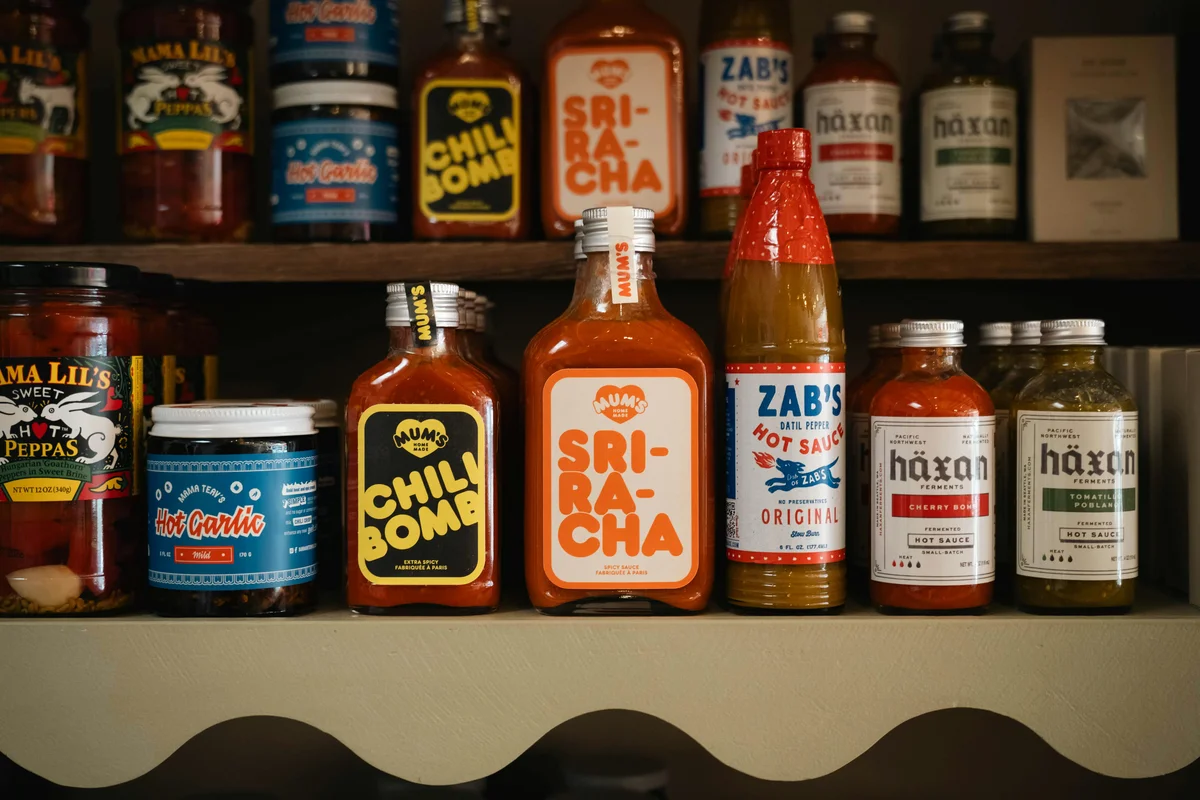
Once you think in terms of role, your collection organizes itself. I don’t have a “hot sauce shelf”; I have flavor stations. Let me show you what I mean.
The Bright & Acidic Brigade. These are your daily drivers. They are built on vinegar or citrus, and their primary function is to cut through fat and add a clean, piercing brightness. A classic Louisiana-style hot sauce like Crystal or Tabasco is the purest form. But don’t stop there. A Yucatán-style habanero sauce, with its carrot and lime, brings searing heat and a tropical acidity. A simple sambal oelek (just chiles, salt, and vinegar) is my go-to when I want pure chile punch without sweetness or smoke. These are the sauces you reach for when a dish feels heavy, rich, or flat: on gumbo, on black beans, on a fried chicken sandwich. They are the squeeze of lemon, amplified.
The Fermented & Funky Depth. This is where flavor gets interesting. Fermentation transforms a chile’s simple heat into a symphony of umami and complexity. Here, you’ll find the foundational pastes I mentioned, but also finishing sauces built on that same principle. A proper gochujang-based sauce, thinned with vinegar and perhaps a touch of sweetener, is magnificent. Then there’s the world of sauces that incorporate fermented seafood or beans: a Thai sauce with nam pla (fish sauce), a Korean saeujeot (fermented shrimp) sauce. My absolute non-negotiable here is Red Boat fish sauce. A few drops in a homemade hot sauce blend adds a salty, savory depth that is impossible to replicate. These sauces don’t just add heat; they add savor. They make a bowl of plain rice or noodles taste profoundly complete.
The Sweet & Smoky Counterpoints. Sometimes, you need a sauce that provides balance, not just brightness. These are the sauces with a pronounced sweet element, fruit, sugar, roasted vegetables, and often a whisper (or a shout) of smoke. A chipotle sauce, with its adobo sweetness and campfire smoke, is perfect for bridging the gap between, say, grilled meats and a creamy slaw. A mango-habanero sauce can tame the habanero’s ferocity with tropical sweetness, making it surprisingly versatile. These are your barbecue partners, your glaze-makers, your answer to rich, caramelized foods. They are sauces of contrast and complement.
The Specialist & The Unifier. Finally, you have your specialists. The searing, fruity scotch bonnet sauce from the Caribbean that belongs exclusively with jerk chicken (in my opinion). The herbaceous, green kick of a Moroccan harissa that transforms a stew or a roasted vegetable tray. And then, you have what I call the “unifiers”: the sauces that are so perfectly balanced, they make almost anything taste more like itself. For me, this is often a well-made Cholula or Tapatío. They have a rounded, slightly earthy pepper flavor, moderate heat, and just enough acidity. They are polite. They are guests who get along with everyone. I am never without one.
When to Dab, When to Stir
Owning the bottles is only half the battle. You must know when to deploy them. This is where culinary reasoning becomes action.
The goal is not to conquer heat, but to conduct it. To make it sing in harmony with the rest of your plate.
For finishing sauces, think of them as a seasoning, like a flaky salt or a crack of pepper. Taste your dish first. Does it need lift? A hit of acid? A spark of heat? Then add a few dashes or dabs at the end. The volatile aromatics and bright vinegar will stay vibrant. Cooking them will dull their spirit.
For foundation pastes, you must give them time and fat. When I make a stir-fry with doubanjiang, I fry it in the oil for a full minute before anything else goes in. This “blooms” the paste, awakening its fermented flavors and mellowing its raw edge. The same goes for harissa in a tagine base, or gochujang in a braising liquid. You are cooking with it, not adding it to the dish. It becomes part of the fabric.
And then there is the emulsion. One of my favorite tricks is to create an instant, complex sauce by blending a foundation paste with fat and acid. A spoonful of gochujang, a squeeze of lime, a drizzle of sesame oil, and a little water, whisked until smooth, makes a stunning dressing for cold noodles or a dip for dumplings. You’ve just built a multi-layered sauce in seconds, because you understood the components you were working with.
The One-Bottle Test & The Crowded Door
People often ask me, “If I could only have one hot sauce, what should it be?” It’s a silly question, but I understand the desire for a simple answer. My response is always: “What do you cook most?” If your life is tacos and eggs, a bright, acidic Mexican-style sauce is your one. If you live for ramen and fried rice, a bottle of sriracha (a good one, please, not the cloyingly sweet imitations) or a rayu (chile oil) might be your universal tool.
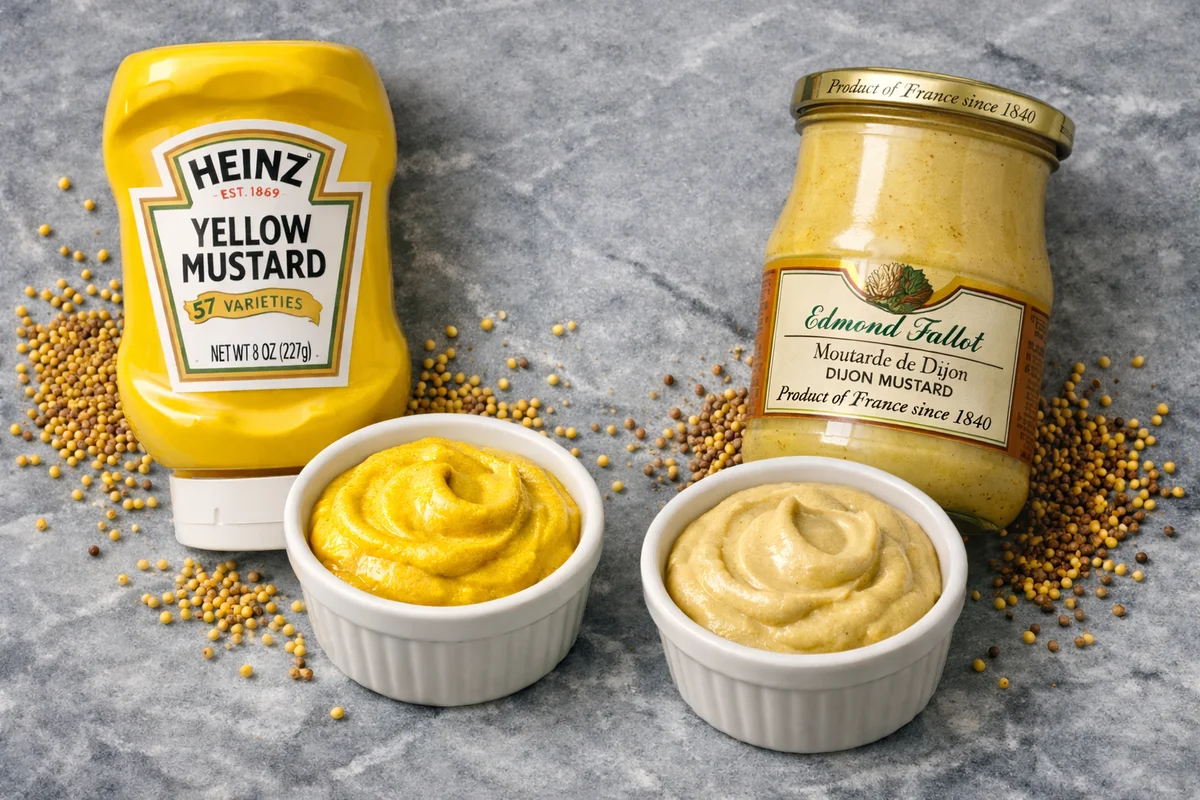
But the truth is, I don’t believe in the one-bottle solution. I believe in the crowded refrigerator door. I believe in having the right tool for the right moment. The beautiful chaos of my condiment shelf, where Fallot’s Dijon sits beside a jar of sambal, and a bottle of my mother’s sauce claire (when I get it right) nudges a homemade fermented pepper mash, is not an accident. It is a map of possibilities.
So start with one cluster. Maybe the Bright & Acidic. Master it. Understand what its vinegar does to your food. Then, introduce one bottle from the Fermented & Funky depth. Taste it on its own. Cook with it. See how it changes a simple soup. Let your collection grow organically, driven by curiosity and function, not by fear of missing out on the next million-Scoville novelty.
The goal is not to conquer heat, but to conduct it. To make it sing in harmony with the rest of your plate. Because when you do, you’ll understand what I mean when I say that acid and fat aren’t fighting: they’re dancing. And a great hot sauce? Eh bien, it’s the rhythm that makes you want to join in.