
8 min read · 1,512 words
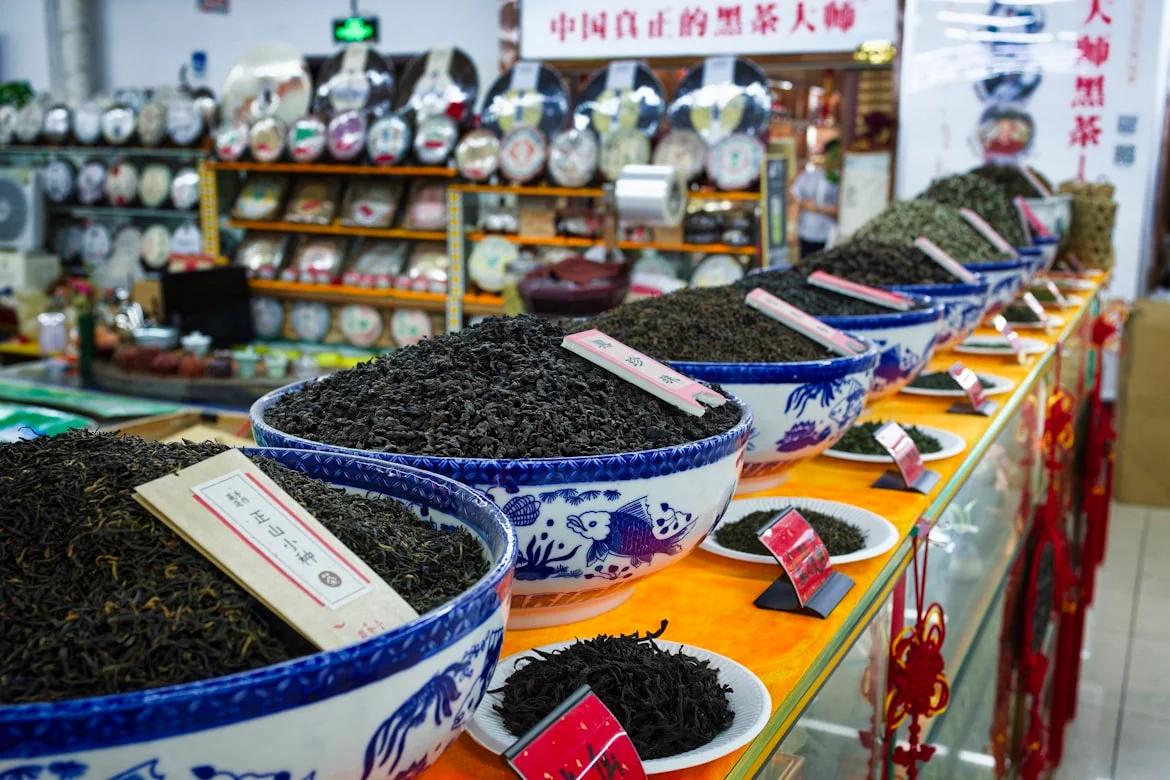
I was in a tea shop in Cambridge, the kind with the little tins and the owner who looks like he’d rather be meditating, when I overheard it. A customer, holding a packet of Tie Guan Yin, asked, “So, is this a green tea or a black tea?” The owner sighed, a sound of profound spiritual disappointment, and said, “It is oolong. It is its own thing.” And then he just… stopped talking. The customer put the packet down and left. I nearly threw my gaiwan at him.
That’s the problem with gatekeeping. It treats knowledge like a secret handshake instead of a map. Oolong isn’t some mystical third thing. It’s the entire, glorious, messy spectrum between green and black. The magic, and the decision-making, lies in oxidation. It’s the variable that a master tea maker manipulates, like a DJ with a crossfader between “fresh-cut grass” and “baked stone fruit.” Understanding where a tea sits on that 10% to 90% slide rule isn’t pedantry. It’s the cheat code to knowing what you’ll taste, how to brew it, and what you might actually want to buy instead of just feeling intimidated out the door.
My own map started in a cramped Hangzhou flat. I’d been given a packet of “green oolong” by a student’s parent. I brewed it like builder’s tea: boiling water, five minutes, a splash of soya milk. It was the most bitter, astringent horror I’d ever consumed. I thought I’d been pranked. It wasn’t until a visit to a Fujian tea farmer, watching him repeatedly shake and rest leaves in a giant bamboo tumbler, that I clocked it. He was literally bruising the leaf edges, starting the oxidation process in precise, controlled bursts. The tea wasn’t fighting me; I was just using the wrong key. That moment rewired my brain. Now, my spreadsheet has columns for oxidation percentage (estimated, obviously: no one’s handing out lab reports), roast level, and the all-important “vibe.” Let’s ditch the vibes for a second and talk chemistry you can actually taste.
The Light & Floral End: 10-30% Oxidation
Think of this as the spring break of oolongs. The leaves are plucked, withered, and then given a relatively short, gentle oxidation period before being pan-fired to halt the enzymes. This locks in a lot of the characteristics we associate with green tea, high aromatic notes, a palpable freshness, but with a subtle roundness that pure green tea lacks. The leaves often stay a vibrant jade green, rolled into tight pearls or semi-ball shapes.
Why you’d choose this: You’re after complexity without heaviness. You love the scent of orchids, lilies, or sweet peas wafting from your cup. Your palate leans towards high, bright notes: think fresh cucumber, steamed asparagus, and that elusive “green” note that’s more alpine air than vegetal broth. There’s a nervy, caffeine-forward energy to these teas that feels clean and alert.
The decision point here is water temperature. This is where most people, including past me, go nuclear and ruin everything. Boiling water (100°C) on a lightly oxidized oolong is like blasting a delicate synth track with a distortion pedal. You extract all the bitter, astringent catechins in a violent rush. The trick is to drop the temp. I start at 85°C for the most delicate ones (like a Bao Zhong) and might go up to 90°C for a robust Tie Guan Yin. It coaxes out the floral top notes and the sweet, creamy undertones without the assault. Brew it in a gaiwan, grandpa style, or even a big infuser bottle: just mind the heat.
Actionable insight: If your light oolong tastes bitter or hollow, it’s almost certainly the water. Don’t blame the tea. Let your kettle sit for 60 seconds after it boils. That’s usually enough. Your reward is a liquor that’s pale gold, fragrant enough to perfume your kitchen, and has a finish that lingers like a whisper.
Oolong isn’t some mystical third thing. It’s the entire, glorious, messy spectrum between green and black.
The Heart of the Spectrum: 40-60% Oxidation
Welcome to the Goldilocks zone. This is where oolong truly comes into its own, balancing the high aromatics of the light end with the developing depth of the dark. Oxidation is allowed to progress further, often with multiple stages of shaking and resting (that “wok toss” step I saw in Fujian). The leaves might take on a darker green hue with reddish edges. The flavours here are less about shouting flowers and more about structured, layered fruits and minerals.
Why you’d choose this: You want the “classic” oolong experience. You’re done with just aromatics and want taste architecture: a tea with a clear beginning, middle, and end. We’re talking about the famous Taiwanese high-mountain oolongs (like Alishan, Lishan) and the darker, more traditional styles of Anxi Tie Guan Yin. The notes shift to ripe peach, apricot jam, osmanthus flower, and a cool, almost mentholated minerality that people call “rock rhyme” (yan yun). The body becomes noticeably thicker, more viscous.
Here, the decision shifts from temperature to vessel and timing. A gaiwan is still brilliant, but a small Yixing clay teapot (if you’ve gone down that rabbit hole) can soften and sweeten the edges beautifully. The brewing rhythm is key: short, successive steeps. I start with a 15-second wash/awakening steep, then do 20s, 25s, 30s, adding time with each infusion. This tea unfolds like a story. The first steep is all high notes and fragrance, the second and third deliver the core fruit and body, and later steeps reveal deep mineral tail notes. It’s a journey in a cup, which is why I’ll often make a session of it while pretending to read academic papers (I get about two paragraphs in).
Actionable insight: Don’t pour all the water out at once. Leave a little bit of tea in the gaiwan or pot with the leaves: it’s called “keeping the root.” This prevents the leaves from stewing between infusions and keeps the subsequent steeps balanced. It’s a tiny habit that makes a massive difference in consistency from cup four to cup seven.
Forget the names for a second. Ask yourself: what’s the weather in your mug?
The Dark & Toasty End: 70-90% Oxidation
Now we’re in deep, amber territory. The leaves are heavily oxidized, often until they’re mostly reddish-brown, and then they’re frequently given a post-oxidation roast over charcoal. This isn’t an accident. It’s a deliberate transformation. The roast adds a whole new dimension, warm, toasty, sometimes chocolaty notes, that wraps around the deep fruit and spice of the oxidation. Think less alpine meadow, more a wood-panelled library by a fire.
Why you’d choose this: You’re a coffee drinker looking for a bridge, or you just crave something warming and substantial that doesn’t need milk. You love the flavours of baked apple, dark honey, toasted grains, cinnamon, and dark cocoa. The caffeine feel changes too. It’s often a slower, more grounding release. Famous teas here include traditional Wuyi Rock Oolongs (like Da Hong Pao, Shui Xian) and heavily roasted Taiwanese oolongs like Dong Ding.
The critical decision here is disentangling oxidation from roast. This is the industry’s worst-kept secret. A tea can be moderately oxidized but heavily roasted (often to mask lower-quality leaves), or deeply oxidized and lightly roasted. You have to ask, or taste carefully. A good, well-made dark oolong will have a complexity beneath the roast: a lingering fruity sweetness or a mineral backbone. A poorly made one will just taste like ash and smoke.
Actionable insight: These teas are forgiving. You can use boiling water with impunity. The high oxidation and roast levels have tempered the compounds that cause bitterness. In fact, they need the heat to fully express themselves. I even enjoy these grandpa style (just leaves in a mug, top up with water) because they don’t over-extract unpleasantly. They’re also stellar for making tea-based cocktails or reducing into a syrup for desserts: that robust flavour holds up against other ingredients.
So, which should you buy? Forget the names for a second. Ask yourself: what’s the weather in your mug? Is it a bright, spring morning (10-30%)? A balanced, golden afternoon (40-60%)? Or a deep, contemplative evening (70-90%)? My flat has all three, because my mood dictates my oxidation level. Some days, only the nervy, floral lift of a light Bao Zhong will do. Other days, after a shift at Hot Numbers where I’ve dialled in twelve espressos, I need the grounded, toasty depth of a Wuyi charcoal roast.
The real takeaway is that oxidation is your compass, not a rulebook. It explains why that one oolong tasted like perfume and another like treacle. It means you can walk into that intimidating tea shop, ignore the spiritual sighing, and say, “I’m looking for something mid-oxidation, with a bit of roast,” or “I want the lightest, most floral thing you have.” You’re not just asking for “oolong.” You’re asking for a specific point on the map. And you’re far less likely to leave with something you’ll brew wrong and hate. Now, if you’ll excuse me, my 60% oxidation Alishan is ready for its fifth steep, and I’ve got a spreadsheet cell waiting for tasting notes.