
9 min read · 1,780 words
Right. Let’s have a look at your bar cart. Go on, I’ll wait. You’ve got the good gin, the decent whiskey, maybe a bottle of Campari gathering dust since that one summer you tried to be a Negroni person. And then, shoved to the back, behind the fancy bitters you used once, is the sad, neglected kingdom of the mixer. A flat bottle of tonic from last July, a generic ginger ale that tastes of sugar and regret, maybe a lurid pink “grapefruit soda” that promises Mediterranean sun but delivers chemical sunset.
We’ve all been there. I spent five years behind bars (no, not that kind) in Barcelona and along the Costa Brava, and I can tell you the single most common mistake isn’t the spirit: it’s what you pour on top of it. You’ll drop fifty quid on a beautiful, botanically complex gin and then murder it with a tonic that’s just fizzy quinine water. It’s like buying a fillet steak and boiling it. The mixer isn’t just a dilutant. It’s the other half of the conversation. It’s the supporting actor that can make or break the star. And most of us are buying our mixers all wrong.
The goal isn’t to have twelve different bottles of fizzy stuff. It’s to build a mixer library based on function, not just flavour. You need a toolkit. Some are your reliable everyday bottles. Some are your specialists, for when you want to build something with real intent. And some… well, some are there to surprise you. Once you start thinking in these terms, every drink you make gets about three times better. I promise.
Your Non-Negotiable Trio
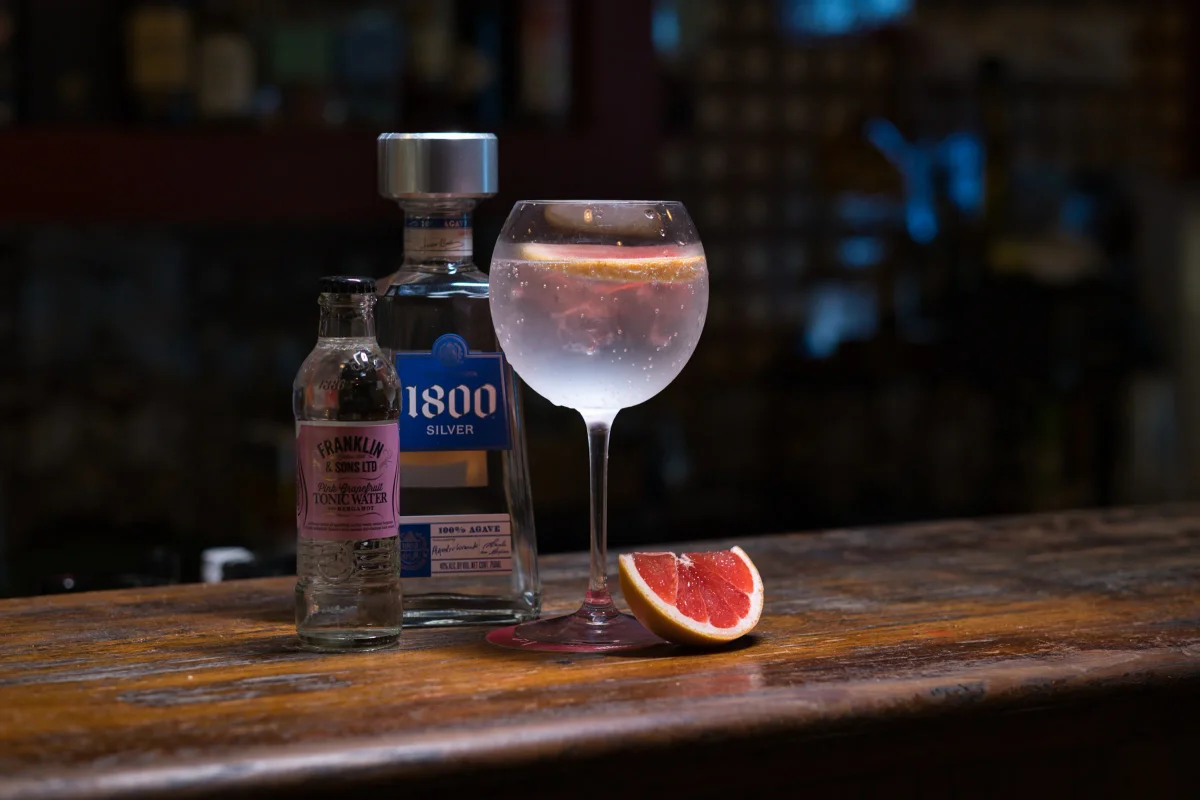
First, a proper tonic water. Not the supermarket own-brand that tastes like sweetened sadness. A good tonic should have a bitter spine from quinine, a touch of sweetness for balance, and a bright, citric lift. The bubbles should be fine and persistent, not aggressive and fleeting. Why? Because gin’s botanicals are delicate. A harsh, over-sweet tonic bulldozes them. A good one lifts them, lets the juniper sing, and brings out the citrus peel or floral notes. Fever-Tree’s Indian Tonic is a brilliant, widely available benchmark: it’s why my own fridge always has a four-pack. It’s designed to complement, not compete. If you’re using a really bold, herbal gin like a Monkey 47, you might even step down to their Light version, which pulls back the sugar just enough to let those insane 47 botanicals have their full, chaotic parliament.
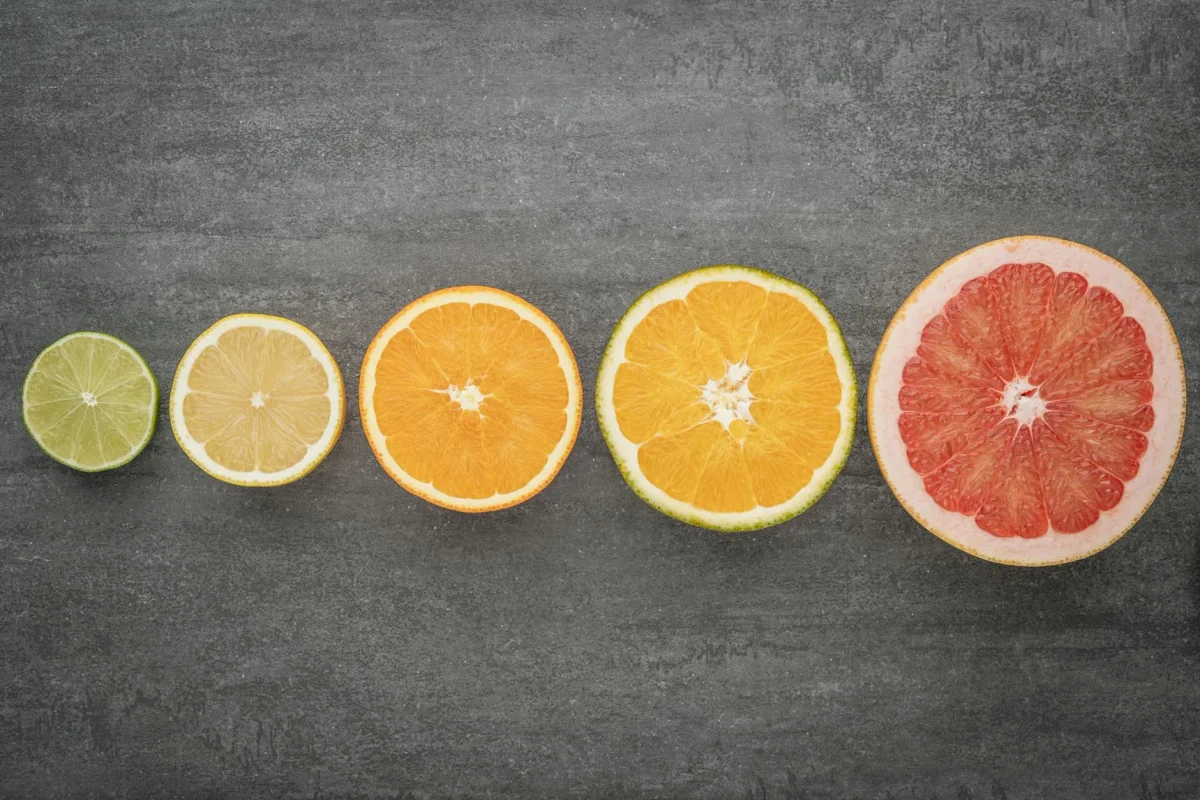
Second, fresh citrus juice. I don’t mean the stuff in a plastic lemon. I mean actual lemons and limes, sitting in your fruit bowl. The difference is chemical, not just philosophical. Fresh juice brings vibrant acidity and volatile aromatic oils from the zest that hit your nose the second you crack the seal. Bottled juice is pasteurized, which mutes those flavours and often adds a cooked, flat note. That acidity is your scalpel. It cuts through the richness of a dark rum in a Daiquiri, it balances the sweetness of a Sidecar, and it provides the essential “zip” in a Tom Collins. A Margarita with bottled lime juice is a tragic ghost of what it should be. Keep lemons and limes on hand. Squeeze them. Your drinks will thank you.
The single most common mistake isn’t the spirit: it’s what you pour on top of it.
Third, dry vermouth. I can hear the groans. “But it goes off!” Yes, it does. So treat it like the wine it is. Keep it in the fridge, and use it within a month of opening. A fresh bottle of Noilly Prat or Dolin Dry is a revelation. It’s not just for Martinis. Its gentle, herbal, slightly oxidative character is a mixer in the truest sense: it mixes with the gin, creating a whole new, nuanced flavour profile that’s greater than the sum of its parts. It’s the difference between a sharp, bracing shot of gin and a sophisticated, sippable cocktail. This is the foundation of all great stirred, spirit-forward drinks. If yours has been gathering dust for a year, pour it out, buy a new one, and keep it cold. You’ve just upgraded your entire home bar.
Builders of Character
Now we move from foundation to architecture. These mixers have strong, defined personalities. You don’t use them for everything, but when you do, they define the drink. They’re for when you know what you want to build.
Ginger beer is the king here, but you have to choose your monarch wisely. Most commercial ginger beers are just ginger-flavoured sugar soda. A real ginger beer, like Fever-Tree’s, Bundaberg, or a good local craft version, has heat, spice, and a peppery bite from real ginger root. That heat is the magic. It interacts with the warmth of alcohol in a Dark “n” Stormy (which must, by maritime law and common decency, be made with Gosling’s Black Seal rum) or a Moscow Mule, creating a sensation that’s more than just taste: it’s a physical warmth that spreads. A weak ginger beer makes a flaccid, sweet drink. A proper one makes a cocktail with backbone.
Then there’s Campari and its bitter siblings. I’m putting this here because, while it’s a spirit itself, it functions as the ultimate specialist mixer. Its searing, bitter-orange-herbal character is a flavour bomb that can transform a drink from simple to complex with just an ounce. It’s the heart of a Negroni, of course, but a half-ounce in a gin fizz adds a fascinating bitter counterpoint to the sweet and sour. It teaches you about balance by being deliciously, unapologetically unbalanced on its own. Aperol is its sweeter, gentler cousin: less of a specialist, more of a friendly accomplice for spritzes.
Finally, in this bracket, proper cola. Not the global mega-brand, necessarily. Seek out a craft cola made with real cane sugar and natural spices, like Fentimans or a good Mexican Coke in a glass bottle. The difference? Real cola has a spicy, almost peppery depth from things like cassia and nutmeg, not just a blunt sugar-and-caramel hit. This makes it a fantastic partner for aged spirits. A rum and coke becomes something else entirely with a good cola, the vanilla and oak from the rum converse with the baking spices in the mixer. It’s a winter warmer disguised as a simple highball.
For When You Feel Like Experimenting
This is where the fun begins. These are the mixers you buy not because you need them for a classic, but because they inspire you to create something new. They’re your weekend projects.
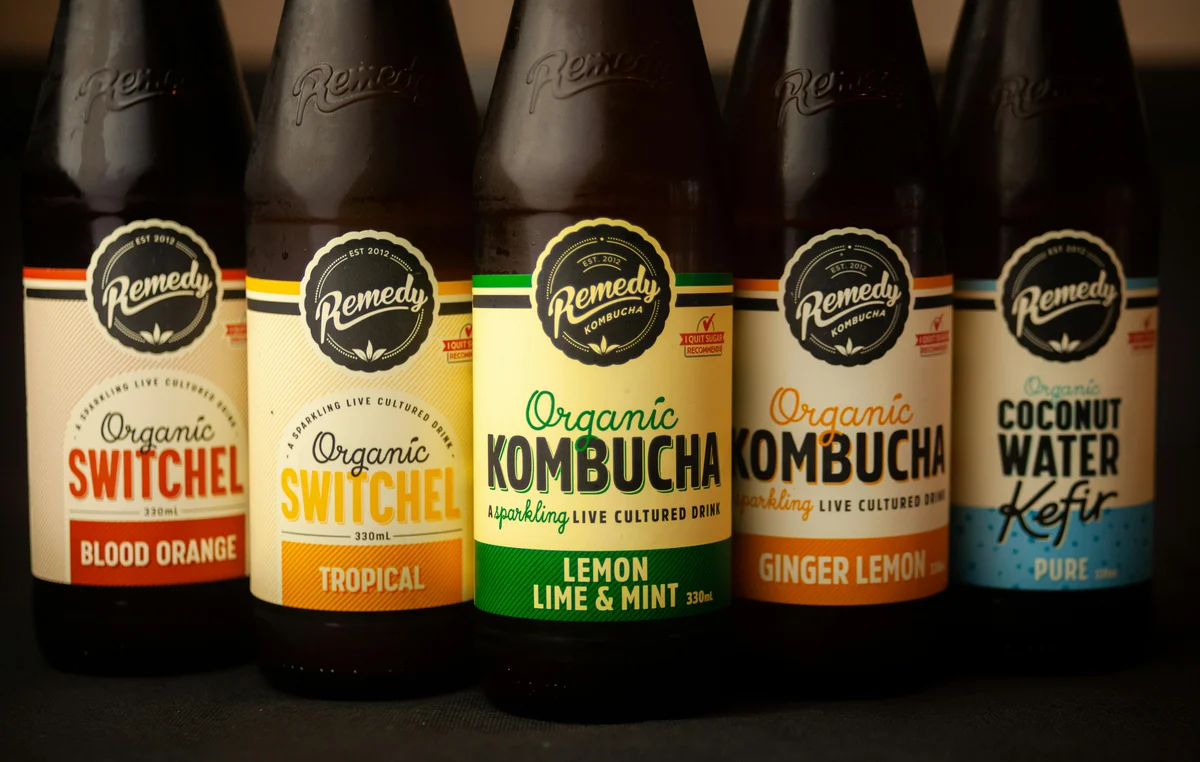
Switchel, or shrub sodas. Historically a haymaker’s drink of vinegar, water, and ginger, the modern shrub is a fruit-and-vinegar syrup. When topped with soda, it becomes a bracing, complex mixer. The acidity comes from acetic acid (vinegar) instead of citric, which is a rounder, deeper kind of sour. It pairs phenomenally with aged tequilas or smoky mezcals: the vinegar meets the earthy agave notes head-on, while the fruit (say, a blackberry shrub) provides the sweet bridge. It sounds odd until you try it, then it’s a revelation.
The sugar level in your mixer is a measurable thing. Let it be your guide.
Natural or “cloudy” lemonade. This isn’t the clear, sweet fizz of your childhood. This is Italian limonata, like San Pellegrino’s version, with real lemon pulp and a tart, serious face. Its texture and intense, pithy lemon flavour make it a stunning partner for vodka (for a truly grown-up Vodka Lemonade) or, even better, with a grassy, herbal gin. It adds body and a real fruit presence that fresh juice and soda can’t replicate on their own.
A really good tomato juice. The key is in the seasoning. A high-quality juice, like Sacramento or a good local brand, seasoned with nothing but a pinch of celery salt and a dash of Worcestershire, is a world away from the pre-mixed “cocktail” versions. It’s savoury, umami-rich, and slightly sweet from the tomatoes. This is the only way to make a Bloody Mary that tastes of the garden, not of a spice cabinet. It’s a meal in a glass, and the mixer is the entire soup course. You’re not just adding vodka to tomato juice; you’re using the vodka to heighten the experience of the tomato.
Sync Your Sweetness
Here’s the technical bit, demystified. The single most important thing to consider when pairing spirit and mixer is relative sweetness. A dry gin will be wrecked by a sickly-sweet tonic. A sweet bourbon will become cloying with a sugary ginger ale. You have to think in terms of balance.
This is where tasting your mixers on their own is crucial. Take a sip of that ginger beer. Is it a sweet, ginger-tinged soda, or is it spicy and dry? If it’s sweet, pair it with a dry, high-proof spirit like a London Dry Gin or a robust, funky Jamaican rum: the spirit’s heat and dryness will balance the sugar. If it’s a dry, fiery ginger beer, you can afford to pair it with something a little sweeter or richer, like a dark rum or even an aged bourbon.
I judged a spirits competition in Berlin once, and the category was “Ready-to-Drink.” The number of entries that were just a decent spirit drowned in a cheap, saccharine mixer was heartbreaking. The winners were always the ones where the mixer’s sweetness, acidity, and bitterness were in harmony with the base spirit. It’s chemistry, not magic. The sugar level in your mixer is a measurable thing. Let it be your guide.
So, the next time you’re at the shop, don’t just grab the familiar bottle. Read the label. How much sugar is in it? Does it list actual ingredients (ginger root, quinine, lemon juice) or just flavourings? Pick up one new thing from the wild card section. And for the love of all that is holy, keep your vermouth in the fridge and your citrus on the counter.
My Daiga, who as you know drank me under a table in Alicante, now has a rule in our Riga flat. I can bring home any “research” bottle I like, but if I want to keep my precious bar cart real estate, the mixer attached to it has to earn its place. It has to have a function, a purpose on the cart. No more dead-weight, flat tonics. Just a curated collection of tools, each waiting for the right moment to turn a good spirit into a great drink. Now, if you’ll excuse me, I’ve a proper stout and a shot of bourbon calling my name. It’s research, I swear. Perfectly balanced research.