
10 min read · 1,957 words
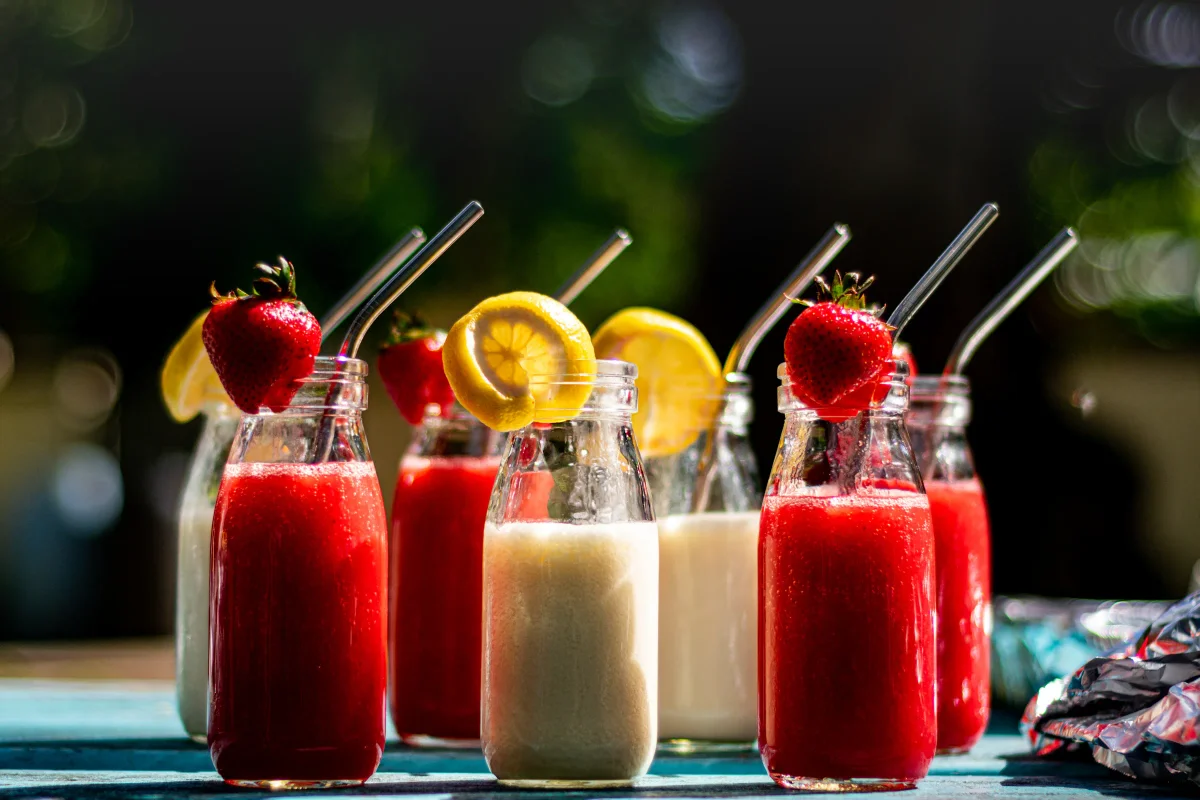
Right, so picture this. It’s a Tuesday evening in Riga, the light’s that long, Baltic summer gold, and Daiga’s cousin Edgars is over. He’s driving, I’m not in a whiskey mood, and we’re staring at the options in the fridge. There’s a fancy bottle of something labelled “artisanal botanical elixir” that cost a small fortune, a lurid purple “berry blast” soda, and some homemade lemonade I’d whipped up that afternoon. We try them in order. The elixir tastes like a pine forest wept into a bottle: interesting, but you’d only want a thimbleful. The berry blast is a one-note sugar symphony that makes your teeth ache by the second sip. The lemonade, though? We finish the jug. It wasn’t fancy. It was just balanced. Tart, a touch sweet, refreshing. Edgars leans back and says, “That’s the one. It actually tastes of something, you know?” And I knew exactly what he meant. It had life. It had acidity.
That’s the quiet crisis in the non-alcoholic world, isn’t it? You remove the alcohol, a component that, love it or hate it, carries flavour, provides texture, and often brings its own sharp or bitter notes, and you’re left with a void. And what fills that void, nine times out of ten? Sugar. Pure, unadulterated, cloying sweetness. It’s the easiest lever to pull for flavour. But a drink that’s just sweet is like a song with only one note. It’s boring, and it becomes unbearable quickly. What we’re missing, what we’re instinctively reaching for when we drain the lemonade jug, is structure. And in the world of drinks, alcoholic or not, the primary pillar of structure is acidity. It’s the backbone. It’s what makes your mouth water, literally and figuratively, and asks you to take another sip.
Now, I’m not here to give you a chemistry lecture you’ll forget by tomorrow. But you need to understand one thing: acidity isn’t just “sourness.” It’s a active component. On your tongue, it triggers a salivary response: it makes things taste alive and fresh. In balance, it acts as a counterweight to sweetness, preventing that syrupy, mouth-coating fatigue. It can highlight other flavours, making herbal notes pop or fruity flavours taste more like the fruit itself and less like jam. Without it, everything just sits there, flat and monolithic. Think about the difference between a ripe, sun-warmed strawberry and strawberry jam. One is bright and complex; the other is essentially a sweet preserve. The difference is the acidity.
This is where most commercial non-alcoholic offerings fall down. They’re designed for safety, for mass appeal, which historically has meant “make it sweet.” But we’re smarter than that now. We want complexity. We want adult flavours. And to get that, we have to think like a bartender or a brewer, even when the ABV is 0.0%. We have to build in balancing elements from the ground up. And for my money, the most versatile, accessible, and downright delicious tools for the job are citrus, kombucha, and shrubs. They’re not just ingredients; they’re entire philosophies of acidity.
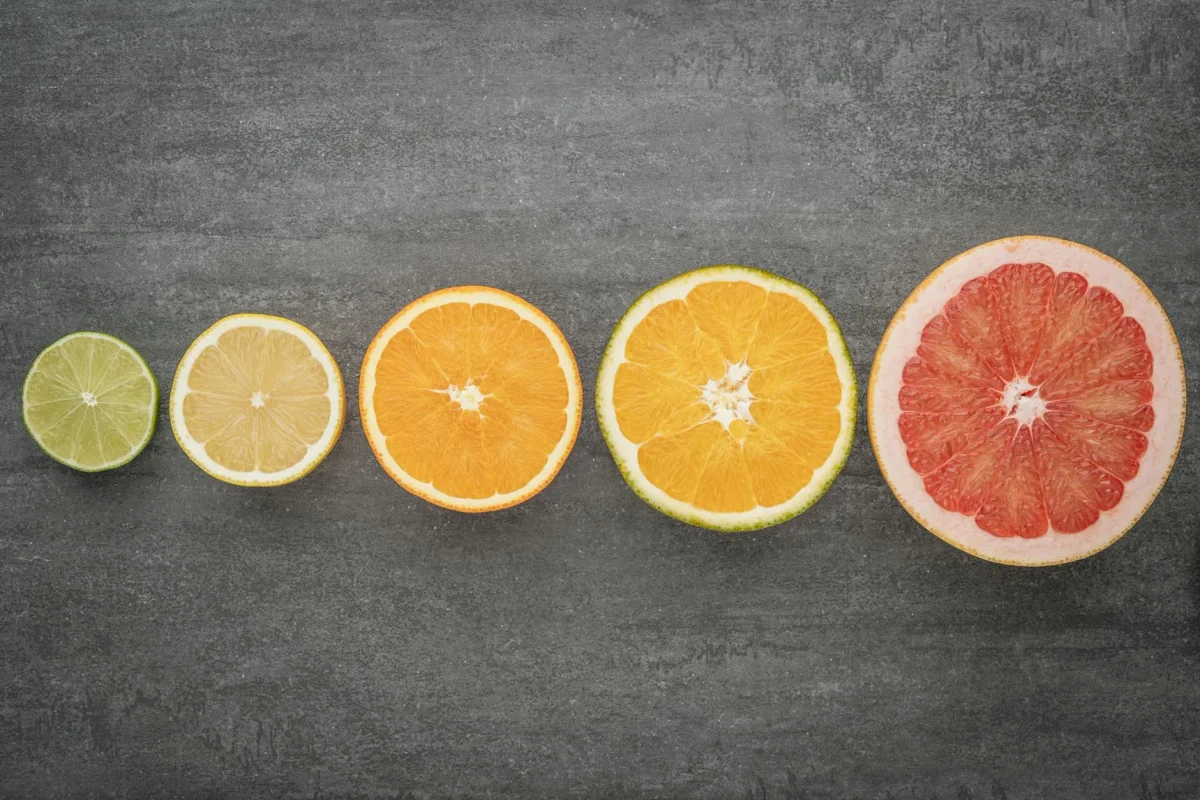
Let’s start with the immediate fix, the quick squeeze of sunshine: citrus. It’s the bartender’s right hand for a reason. The beauty of fresh lemon, lime, grapefruit, or even yuzu if you’re feeling fancy, is its dual nature. You’ve got the sharp, clean punch of the juice: that’s your pure citric acid, fast-acting and vibrant. But you’ve also got the perfumed oils in the zest, which carry aroma and a deeper, almost bitter complexity. This is why bottled lemon juice is a non-starter for this conversation. It tastes flat and metallic because it’s just the acid, stripped of its aromatic soul. Using fresh citrus is about harnessing the whole package.
You remove the alcohol, and you’re left with a void. And what fills that void, nine times out of ten? Sugar.
I learned this not behind a bar, but in a Bavarian brewery, of all places. We were tasting a new helles lager that felt a bit… flabby. The head brewer, a man who looked like he was carved from an oak barrel, didn’t reach for a bag of hops. He sliced a lemon, ran the zest around the rim of his tasting glass, and dropped a tiny wedge in. “Spritzigkeit,” he grunted. “Liveliness.” The beer wasn’t lemon-flavoured; it was just brighter, cleaner. The acidity from the lemon cut through the malt sweetness, and the zest oils played with the noble hops. It was a lesson in acidity as seasoning, not as a primary flavour.
So, how do you use it? Don’t just think “add lemon juice.” Think about when and how. If you’re making a batch of iced tea and it tastes bland, a squeeze of lemon at the end will lift it. But if you’re building a drink from scratch, consider steeping the tea with strips of lemon zest first. You’re infusing the aromatic oils, building a base layer of complexity that the juice will later amplify. For a simple soda, try muddling a lime wedge with a few mint leaves before adding your sparkling water and a touch of honey. You’re not making a mojito; you’re engineering refreshment. The lime’s acid balances the honey’s sweetness, the mint adds an herbal layer, and the fizz lifts it all. The action is deliberate. You’re not covering up bad ingredients; you’re using the acid to tune them to the right frequency.
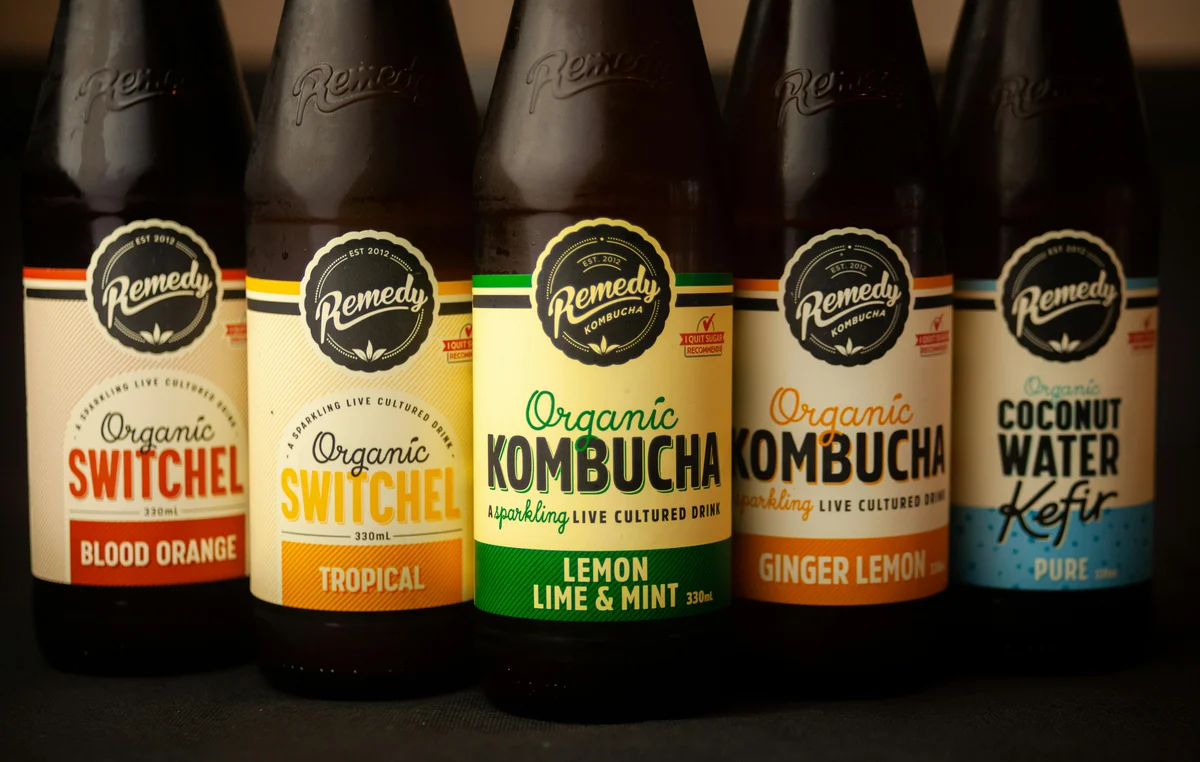
But citrus is a soloist. It’s brilliant, immediate, but sometimes you want an acidity that’s more of a band, with depth and rhythm. That’s where kombucha comes in. Now, I can hear some of you already: “Oh, that fizzy vinegar stuff.” Hold on. A properly made kombucha is a masterpiece of fermentation, and its acidity is a slow burn, a complex layering. You’ve got acetic acid (from the vinegar mother), sure, but also gluconic, lactic, and other acids produced during fermentation. This creates a rounded, tangy sourness that unfolds on your palate. Plus, it has natural effervescence and often a subtle, underlying tea tannin that gives it grip.
I judge a lot of drinks competitions, and the non-alcoholic category used to be a wasteland of syrups and fake spirits. Now, the interesting entries almost always involve fermentation. I remember one from a small producer in Lithuania: a beetroot and ginger kombucha. It was earthy, peppery from the ginger, and had this profound, tangy depth that made it profoundly satisfying. It didn’t try to be a cocktail; it was its own complete, grown-up drink. The acidity wasn’t a sharp slap; it was a sustained, intriguing note that made you keep sipping to figure it out.
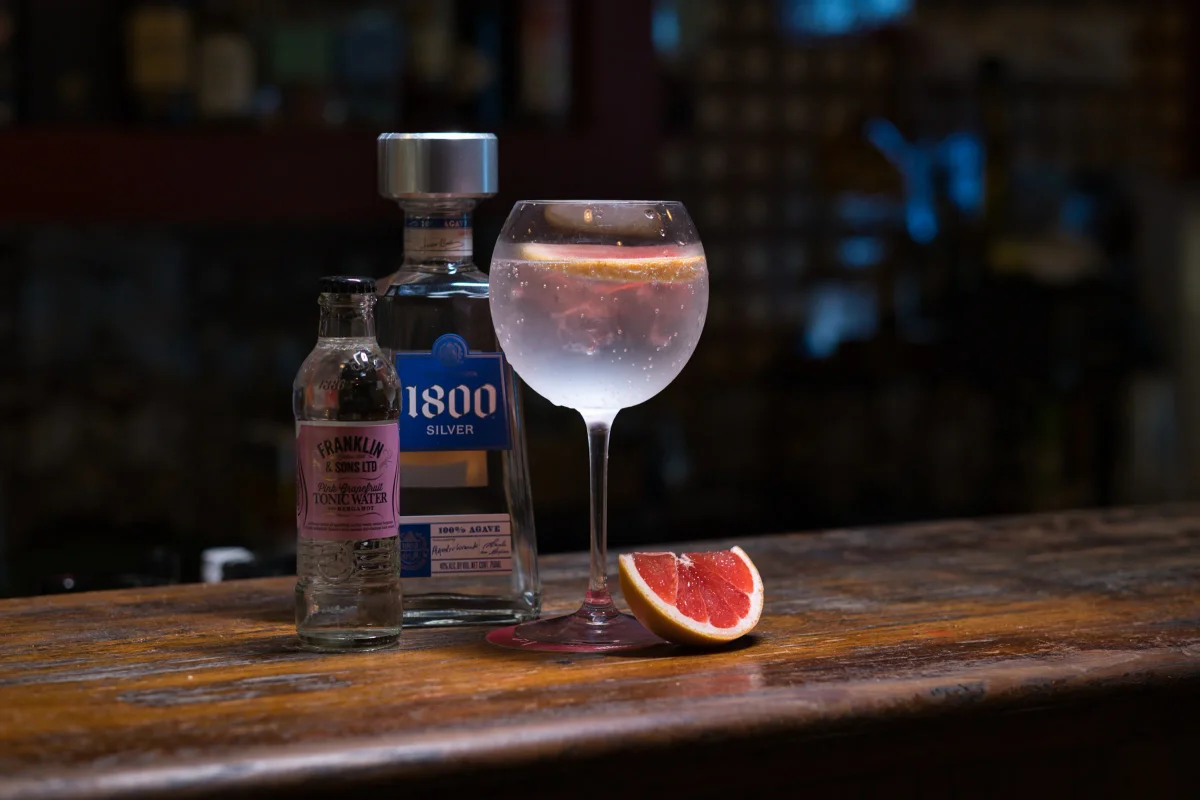
The culinary insight here is to treat kombucha as a base, not a garnish. Don’t just pour a shot into something. Use it as your sparkling element. Replace the tonic or soda water in a non-alcoholic G&T-style drink with a dry, plain kombucha. The botanicals from a good NA gin will cling to that layered acidity and tannic structure in a way they simply can’t with flat, sweet mixer. Or, use it in a shandy-inspired drink. Mix a third of a glass of a malty, non-alcoholic ale (they exist, and some are quite good) with two-thirds of a tart cherry kombucha. The kombucha’ acidity cuts the ale’s malt body, and its own fruity notes integrate seamlessly. You’re building complexity through partnership.
Which brings us to the secret weapon, the historical genius of the pantry: the shrub. A shrub is simply a drinking vinegar: fruit macerated in sugar, then combined with vinegar. Before refrigeration, this was a way to preserve the summer harvest. Today, it’s a way to bottle intensity. The magic happens during the maceration. The sugar draws out the fruit’s juices and flavours, creating a syrup, which is then stabilized and sharpened with vinegar. The result is a potent, shelf-stable syrup where the fruit flavour is deep and cooked, and the acidity is bold and assertive, coming from the vinegar.
You’re not just adding a sour thing. You’re choosing a type of acidity for a purpose.
I fell in love with shrubs in Barcelona, of all places. A tiny vermouth bar in Poble-sec served their house vermut with a splash of soda and, if you asked, a barspoon of agraz: a verjuice, or unripe grape shrub. It was a revelation. The sharp, green, almost aggressive acidity of the agraz sliced through the vermouth’s herbal sweetness and made the whole drink vibrate. It wasn’t just sour; it was structural, like the steel frame of a building.
Making a shrub is the ultimate act of intentional balancing. You decide the fruit (raspberry, peach, blackberry), the sugar (white, brown, honey), and crucially, the vinegar. Apple cider vinegar brings a fruity, rounded sharpness. White wine vinegar is cleaner and more direct. Champagne vinegar is elegant and mild. Red wine vinegar has depth and colour. This is where you tailor the acid profile. A peach shrub with apple cider vinegar is a sunny, all-American affair. The same peaches with a white balsamic vinegar? Suddenly it’s sophisticated, with a caramelised depth. The action is in the combination and the patience to let it steep.
So you’ve got this bottle of potent, acidic syrup. Now what? It’s your all-purpose balancing agent. A teaspoon shaken into a too-sweet iced tea will fix it instantly. Two ounces topped with soda water and a mint sprig is a instant, complex cooler. But here’s a pro move: use it in cooking. Deglaze a pan you’ve seared some chicken in with a splash of a rosemary-pear shrub. The acidity will lift the fond, the sugar will caramelise, and the fruit and herb notes will make a pan sauce that’s incredible. You’re thinking like a chef now, using acidity to cut through the fat of the chicken skin and bring the whole dish into focus.
The through line here, from the quick citrus squeeze to the slow-fermented kombucha to the preserved intensity of a shrub, is intentionality. You’re not just adding a sour thing. You’re choosing a type of acidity for a purpose. Do you need a bright, top-note zing? Citrus. Do you want a deep, fermented tang with body? Kombucha. Do you need a powerful, syrupy punch of sweet-and-sour that will stand up to dilution? Shrub.
This kills the snobbery, by the way. There’s no “best” source of acidity. There’s only the right tool for the drink you’re building. A fancy, small-batch kombucha isn’t inherently better than the juice of a lime you bought from the corner shop; they do different jobs. It’s about understanding the job that needs doing.
And that job, ultimately, is to create something you actually want to drink more than one of. Something that engages your palate, that has tension and release, that feels crafted. It’s the difference between that “berry blast” soda and a homemade raspberry shrub soda. One is a sugar delivery system. The other is a conversation between fruit, sweetness, and a sharp, intelligent acidity that keeps everything honest. It’s a drink with a spine.
So next time you’re faced with something non-alcoholic that tastes flat, or too sweet, or just a bit… dead, don’t just suffer through it. Ask yourself what it needs. Chances are, it’s missing its backbone. Reach for the lemon, crack open the kombucha, or dash in that shrub you’ve got hiding in the fridge. You’re not just fixing a drink. You’re applying a principle, the same one I use when I’m judging a premium gin or building a cocktail list: balance isn’t an accident. It’s a decision. And the best decision you can make is often a tart one. Now, if you’ll excuse me, all this talk of acidity has me parched. I think I’ve got a grapefruit shrub that’s begging to meet some soda water. For research, of course. Daiga just rolled her eyes. She knows the drill.