
Donuts
A ring-shaped treasure of fried dough, the ultimate pleasure-inducing carb-bomb among breakfast pastries.




6 min read · 1,244 words
Donuts (or doughnuts) sit at the crossroads of cultural ritual and culinary indulgence. Whether you're seeking them out as morning comfort food, researching their surprisingly rich history, or exploring their impressive global variations, these fried dough wonders have evolved from humble origins to become edible icons. With their irresistible combination of crispy exteriors and tender interiors, donuts have secured their place in the pantheon of beloved pastries.
I'll walk you through everything from selecting high-quality donuts to understanding regional styles, and even how to store them properly (though let's be honest: they rarely last long enough to need storage advice).
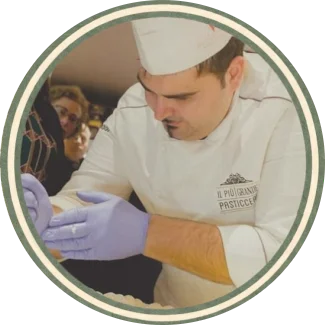
— Tottò
Explorefrom the couch
A truly great donut offers a multisensory experience that begins with its enticing aroma, warm, yeasty notes mingled with vanilla, cinnamon, or other spices. The first bite reveals a textural contrast between the slight resistance of the exterior and the pillowy interior. Yeast donuts deliver a subtle fermented complexity beneath their sweetness, while cake donuts offer a denser, more satisfying chew. The finish varies dramatically based on toppings, from the lingering richness of chocolate glaze to the bright punctuation of fruit fillings or the aromatic complexity of spiced varieties.
By the mid-19th century, Dutch immigrants brought "olykoeks" (oil cakes) to America, setting the stage for what would become the modern donut.
There are dozens of donut varieties worldwide, distinguished by their shape, filling, topping, and preparation method. Traditional ring-shaped donuts gained popularity for practical reasons: the hole ensures even cooking. Filled donuts (like jelly or cream) typically have no hole and are injected after frying. Cake donuts use chemical leaveners like baking powder, while yeast donuts rise with yeast, creating a lighter, airier texture.
Donuts are produced globally, with methods varying widely based on cultural traditions and available ingredients. In commercial settings, specialized equipment enables mass production, while artisanal bakeries often make donuts by hand, emphasizing quality ingredients and traditional techniques. The frying temperature (typically 350-375°F/175-190°C) significantly impacts texture, with hotter oil creating crispier exteriors.
Pickat the store
Selecting exceptional donuts requires attention to detail: whether you're at a specialty shop or grocery store, these factors will help you identify quality.
Look
- Color. Look for even, golden-brown exteriors without burnt edges or pale patches.
- Glaze. Should appear glossy and evenly distributed, not cracked, melted, or pooled at the bottom.
- Size. Consistent sizing indicates care in production; irregularly sized donuts may signal rushed preparation.
Smell
- Freshness. Fresh donuts emit a warm, yeasty, slightly sweet aroma; stale ones have little scent.
- Watch out: No off-odors. Avoid donuts with any oily or rancid smell, which indicates old frying oil.
- Fragrance match. The aroma should match the flavor: chocolate should smell like chocolate, not just sugar.
Feel
- Spring-back. Quality donuts should slightly spring back when gently pressed, not remain dented.
- Exterior crispness. The outside should provide light resistance before giving way to the soft interior.
- Interior structure. Yeast donuts should show airy pockets, while cake donuts should have a moist, tender crumb.
Origin
While donuts are made worldwide, certain regions have developed distinctive production styles:
| Flags | Place and description |
|---|---|
| United States. Home to major chains like Krispy Kreme and Dunkin', producing millions daily | |
| Canada. Known for unique chain Tim Hortons and distinctive flavors like maple | |
| Japan. Has embraced and transformed donuts with creative flavors like matcha and sweet potato |
Label
- Freshness timing. Ask when donuts were made; morning is ideal for most shops, though some specialty places make batches throughout the day
- Production methods. Hand-rolled and cut donuts typically indicate higher quality than machine-extruded varieties
- Ingredient quality. Check if the shop uses real butter, vanilla, fresh fruit, or other quality ingredients rather than artificial substitutes
- Watch out: Frying oil. Better shops change their oil frequently, resulting in cleaner-tasting donuts without rancid notes
- Local reputation. Shops with lines or local awards often maintain higher standards to preserve their reputation
If You Can't Find It
Usein the kitchen
Preparation
- Temperature Control. Oil must stay between 350-375°F (175-190°C); too cool makes greasy donuts, too hot burns exteriors before interiors cook
- Resting Period. After cutting, allowing dough to rest 10-15 minutes creates better texture and prevents shrinkage during frying
- Oil Selection. Neutral oils (vegetable, canola, peanut) with high smoke points yield clean-tasting donuts; some artisanal shops use shortening for distinctive flavor
- Glazing Technique. Apply glaze while donuts are still warm (but not hot) for best adhesion and shine; allow to set before stacking
- Regional Twist. In New England, cake donuts often incorporate apple cider for a tangy depth, making them ideal for fall consumption. By contrast, Southern-style donuts tend toward sweeter, yeast-raised varieties often served warm, emphasizing their pillowy texture.
Pairings
- Coffee. Traditional donuts were developed specifically to accompany coffee service.
- Milk. Creates a creamy counterpoint that softens the fried exterior while enhancing vanilla and chocolate notes in glazes.
- Fresh Berries. The tart acidity balances rich donuts, particularly those with vanilla or cream fillings, creating a more complete flavor experience.
Comparisons
| Ingredient | Structure | Flavor Profile | Frying Method |
|---|---|---|---|
| Donuts | Yeasted or chemical leavened | Sweet with variations | Deep-fried, 350-375°F |
| Churros | Choux pastry | Cinnamon-sugar | Piped and deep-fried |
| Beignets | Choux or yeast | Subtle sweetness | Square-cut, deep-fried |
| Fritters | Batter-based | Fruit or savory | Irregular shape, fried |
Substitutes
If your town’s donut scene is tumble-weed quiet, bake your own with cake-donut pans or pipe choux rings and fry. Substitute with beignets, churros, or Italian bomboloni: all share the fried-yeasted-dough DNA. Alternatively, order frozen proofed dough from restaurant-supply sites and fry at home for fresh-out-the-oil bliss.
- Cinnamon Rolls. Replicates both flavor and partial texture; provides the yeasty, sweet experience without frying.
- Churros. Replicates the fried exterior texture and sweetness, though using different dough.
Storage
- Fresh Donuts. Store at room temperature in a sealed container for up to 2 days.
- Glazed Donuts. Place in a single layer to prevent sticking or store with wax paper between layers for up to 2 days.
- Cream-Filled Donuts. Refrigerate in an airtight container for up to 3 days.
- Extending Freshness. Microwave room-temperature donuts for 5-8 seconds to restore some of their original texture.
Donuts represent the perfect union of simplicity and indulgence: humble ingredients transformed through technique into something extraordinary. While often dismissed as mere breakfast treats, their global variations reveal a rich tapestry of cultural expression, from New Orleans' beloved beignets to Portuguese malasadas to Japanese pon de ring. The best tip for enjoying donuts? Eat them fresh, ideally within hours of being made, when the contrast between exterior and interior is at its peak.
Whether you're a purist who craves a perfectly executed glazed ring or an adventurer seeking the next flavor frontier, donuts remain one of the most accessible yet satisfying culinary pleasures.
— Tottò
Last reviewed: July 1, 2025
Even gastronauts make mistakes sometimes! Always check mission-critical intel like allergens and substitutions. See our Terms of Use & Editorial Policy.
Now Send Donuts Down the Line
Good cooks don't guess. They share, too!
Help other home chefs discover donuts and its secrets.
Now Send Donuts Down the Line
Good cooks don't guess. They share, too!
Help other home chefs discover donuts and its secrets.